
News
Mitchell Sink Biography: Early Life and Career of Sadie Sink’s Brother


Mitchell Sink is best known as the older brother of actress Sadie Sink, widely recognized for her role in Stranger Things. While Sadie’s career has brought international attention to the Sink family, Mitchell has quietly built his own path in the performing arts. He has experience in theatre and has appeared in select screen projects, including All Too Well: The Short Film.
Unlike many celebrity relatives, Mitchell maintains a relatively private lifestyle. He is active in creative spaces but does not actively seek media attention. This article provides a detailed and factual overview of Mitchell Sink’s background, career, family connections, and public presence.
Quick Bio
| Full Name | Mitchell Sink |
|---|---|
| Date of Birth | October 11, 2000 |
| Age (2026) | 25 years old |
| Birthplace | Texas, United States |
| Nationality | American |
| Parents | Casey Sink (father), Lori Sink (mother) |
| Siblings | Caleb, Spencer, Sadie, Jacey |
| Known For | Theatre work; appearance in All Too Well: The Short Film |
| Profession | Performer, creative artist |
| Social Media | Instagram (@mitchellsink) |
Who Is Mitchell Sink?
Mitchell Sink is an American performer and member of the Sink family, which includes actress Sadie Sink. He grew up in Texas in a household that encouraged creative expression and participation in performing arts.
Although he is often introduced in media articles as “Sadie Sink’s brother,” Mitchell has participated in stage productions and select on-screen work independently. He has not positioned himself as a mainstream celebrity, and most available information about him comes from verified interviews, public appearances, and credited performance listings.
Mitchell represents a quieter example of someone connected to the entertainment industry without actively pursuing public fame at the same scale as his sister.
Early Life and Background of Mitchell Sink
Mitchell Sink was born on October 11, 2000, and raised in Texas. His parents, Casey Sink and Lori Sink, supported their children’s interests in sports and the arts. Casey worked as a coach, and Lori worked as a mathematics teacher. The Sink family environment balanced academics, athletics, and creativity.
Mitchell grew up with four siblings: Caleb, Spencer, Sadie, and Jacey. The family has spoken publicly about their strong bond and shared experiences in theatre during childhood. Mitchell and Sadie both developed an early interest in musical theatre.
As children, they reportedly reenacted scenes from popular musicals at home. Their mother enrolled them in local theatre programs to nurture their interest. This exposure laid the foundation for both siblings to explore performance opportunities more seriously.
Unlike Sadie, whose breakout role in Stranger Things significantly elevated her public profile, Mitchell maintained a lower media presence during his formative years.
Career
Mitchell Sink’s early career includes stage performances in musical theatre productions. He was involved in Broadway-associated performances as a young performer, including work connected to productions such as Matilda the Musical. Theatre played an important role in his development as a performer.
In addition to stage work, Mitchell has appeared in limited on-screen roles. One of his most publicly recognized appearances was in All Too Well: The Short Film (2021), directed by Taylor Swift. In the project, Sadie Sink played the lead role, and Mitchell appeared in a supporting capacity.
His screen credits also include smaller roles in television projects, though he has not consistently pursued high-volume acting roles.
It is important to note that Mitchell has not publicly announced a defined long-term acting strategy. His professional direction appears selective rather than highly commercial.
Mitchell Sink’s Public Appearances
Mitchell Sink has attended occasional red carpet events and public gatherings in support of his sister. These appearances often coincide with premieres or promotional events related to Sadie’s projects.
Sadie Sink’s prominence increased significantly after joining Stranger Things on Netflix. The show became a global success, drawing attention to her background and family. As a result, Mitchell’s name appears in media coverage focused on Sadie’s siblings.
However, Mitchell has not used these moments to actively pursue independent celebrity branding. His appearances are typically described as supportive and family-oriented rather than promotional.
Mitchell Sink’s Role Behind the Scenes
Beyond visible performances, Mitchell has been described as supportive behind the scenes. In interviews, Sadie Sink has mentioned the closeness of her relationship with her siblings.
Although detailed behind-the-scenes contributions are not extensively documented, Mitchell has reportedly assisted with line readings and rehearsals when possible. Family support is often highlighted in discussions about Sadie’s early career development.
Mitchell’s own understanding of theatre and performance likely provides a shared language between the siblings. This dynamic reflects a collaborative family culture rather than competitive positioning.
Family Life and Sibling Bonds
The Sink family consists of five children. Mitchell is one of the older siblings. The family lived in Texas during the children’s upbringing.
Sadie Sink’s acting career required travel and relocation at times, but family cohesion remained central. Interviews consistently describe the Sink household as supportive and grounded.
Mitchell’s siblings include:
- Caleb Sink
- Spencer Sink
- Sadie Sink
- Jacey Sink
Public interviews emphasize mutual support among the siblings. Sadie has described her brother Mitchell as someone she trusts deeply. The siblings’ shared interest in theatre during childhood created a lasting bond.
There is no verified information suggesting conflict or public disputes within the family. The Sink family generally avoids public controversy.
Philanthropy and Community Engagement
There is limited verified public information regarding Mitchell Sink’s independent philanthropic initiatives. However, Sadie Sink has been associated with advocacy and awareness work, particularly in environmental and humanitarian contexts.
As a private individual, Mitchell has not publicly positioned himself as a spokesperson for specific causes. Any involvement in community engagement appears to be personal rather than branded or publicly marketed.
Without official statements or documented initiatives directly attributed to Mitchell, speculation should be avoided.
Mitchell Sink on Social Media
Mitchell maintains an Instagram account:
https://www.instagram.com/mitchellsink/
His content includes:
- Personal photographs
- Behind-the-scenes moments
- Creative and artistic imagery
- Family-related posts
His social media presence appears curated but not aggressively promotional. He does not use the platform primarily for endorsements or commercial branding.
Unlike many public figures, Mitchell’s Instagram does not center on influencer culture. Instead, it reflects a personal and creative perspective.
As with any social media account, follower numbers and engagement fluctuate over time.
FAQ’s
Is Mitchell Sink an actor?
Yes, Mitchell has participated in theatre and select screen roles. However, he is not currently known for a large body of film or television work.
Is he pursuing a major Hollywood career?
There is no official statement confirming a long-term Hollywood strategy. His career appears selective.
Is he more private than Sadie?
Yes. Public records and media presence suggest that Mitchell prefers a lower profile.

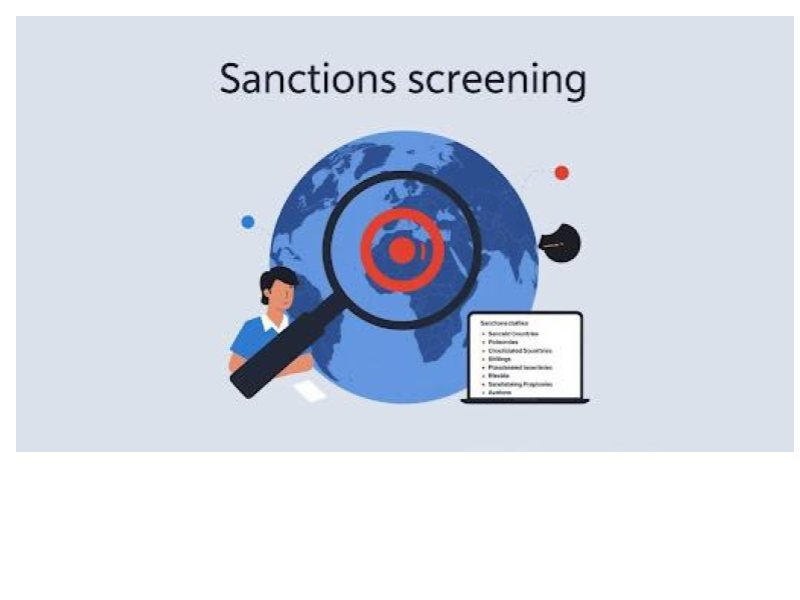
Customer remediation projects have become a critical part of modern compliance programs. Financial institutions often launch these initiatives to correct data gaps, update customer records, and strengthen regulatory controls. While remediation efforts typically focus on Know Your Customer (KYC) and customer due diligence requirements, organizations must also pay close attention to sanctions compliance. Weak sanctions controls during remediation can expose institutions to significant regulatory, operational, and reputational risks.
As regulatory expectations continue to evolve, businesses need a structured approach to enhancing Sanctions Screening processes throughout remediation activities.
Why Sanctions Controls Matter During Remediation
Customer remediation projects involve reviewing large volumes of customer information, making them an ideal opportunity to identify weaknesses in existing compliance frameworks. Incomplete customer data, outdated records, and inconsistent screening practices can create vulnerabilities that remain hidden during routine operations.
By incorporating robust sanctions checks into remediation workflows, institutions can ensure that customer information is accurate and aligned with current regulatory requirements. This approach helps organizations identify previously overlooked risks and improve overall compliance effectiveness.
In today’s complex regulatory landscape, institutions must also address emerging challenges such as Secondary Sanctions, which can affect entities and individuals indirectly connected to sanctioned parties. Failing to identify these relationships may result in unexpected compliance exposure.
Common Challenges in Sanctions Remediation
Many organizations encounter difficulties when attempting to strengthen sanctions controls during remediation exercises. Legacy systems, fragmented data sources, and inconsistent screening methodologies often limit the effectiveness of compliance efforts.
Some of the most common challenges include:
- Incomplete customer records that hinder accurate screening
- Outdated sanctions databases and monitoring processes
- Difficulty identifying indirect ownership or control relationships
- Limited visibility into cross-border customer activities
- Inefficient manual review procedures that increase operational burden
Addressing these issues requires both technology and well-defined compliance procedures.
Strengthening Screening Processes During Customer Reviews
A successful remediation project should include a comprehensive review of existing screening practices. Institutions should verify customer information, update ownership structures, and reassess risk profiles before conducting screening activities.
Effective AML Sanctions Screening depends heavily on data quality. When customer records contain inaccurate names, missing identifiers, or outdated documentation, the likelihood of false matches and missed risks increases significantly.
Organizations should establish standardized procedures for validating customer data before initiating screening reviews. This not only improves detection accuracy but also enhances the efficiency of investigative teams responsible for reviewing alerts.
The Importance of Reliable Screening Technology
Technology plays a crucial role in improving sanctions controls during remediation projects. Modern sanction screening tools can automate large portions of the screening process while reducing operational inefficiencies.
Advanced solutions help compliance teams screen customers against multiple regulatory lists, identify potential matches, and prioritize alerts based on risk factors. Automation also allows institutions to manage large remediation volumes without compromising review quality.
When evaluating technology solutions, organizations should consider factors such as database coverage, real-time updates, configurable matching logic, and integration capabilities. Selecting the right platform can significantly improve remediation outcomes while supporting long-term compliance objectives.
Managing Risks Associated with the OFAC Sanctions List
One of the most important regulatory resources for financial institutions is the OFAC Sanctions list. During customer remediation projects, organizations should ensure that all customer records are screened against the most current version of this list.
Regular screening against updated sanctions data helps institutions identify newly designated individuals, entities, and organizations that may pose compliance risks. It also provides an opportunity to reassess existing customer relationships and determine whether additional investigation is required.
Because sanctions programs frequently change, ongoing monitoring should continue even after remediation efforts have been completed.
Choosing the Right Compliance Partner
Many organizations rely on specialized sanctions screening providers to strengthen their compliance programs. These providers offer access to updated sanctions data, advanced matching capabilities, and regulatory expertise that may not be available internally.
A trusted compliance partner can support remediation initiatives by improving screening accuracy, reducing manual workloads, and helping institutions maintain consistency across business units. This support becomes especially valuable when managing large-scale remediation projects involving thousands of customer records.
Solutions such as AML Watcher have gained attention among compliance professionals for delivering comprehensive sanctions data coverage and advanced screening capabilities that help organizations navigate increasingly complex regulatory requirements.
Building a Sustainable Sanctions Compliance Framework
Customer remediation projects should not be viewed as one-time exercises. Instead, they should serve as an opportunity to establish stronger controls that remain effective long after remediation is complete.
Organizations that integrate sanctions compliance into broader risk management strategies are better positioned to respond to regulatory changes and emerging threats. Continuous monitoring, periodic customer reviews, and ongoing technology enhancements contribute to a more resilient compliance framework.
By improving sanctions controls during remediation projects, financial institutions can strengthen risk management practices, enhance regulatory compliance, and build greater confidence in their customer data. A proactive approach supported by reliable technology and trusted partners such as AML Watcher can help organizations maintain effective sanctions oversight in an increasingly complex global environment.


The FIFA World Cup 2026 will become one of the biggest sporting events in history. Millions of football fans will travel to the United States, Canada, and Mexico to watch live matches and support their favorite national teams. Stadiums, airports, hotels, and entertainment districts will remain crowded throughout the tournament. Because of this massive increase in visitors, transportation services will experience extremely high demand in every host city. Fans who fail to plan their transportation early may face expensive rates, limited availability, and stressful travel situations during important match days.
Advance booking for FIFA World Cup 2026 limo service pick and drop services will help visitors avoid these common problems. Professional transportation companies will provide scheduled airport transfers, stadium transportation, hotel pickups, and private chauffeur services for football fans attending the tournament. Early reservations will give travelers better vehicle choices, more affordable pricing, and guaranteed transportation during busy tournament weeks. Fans who organize transportation in advance will enjoy a smoother and more comfortable World Cup experience from beginning to end.
Why FIFA World Cup 2026 Transportation Demand Will Be Extremely High
Millions of Fans Will Travel Across Host Cities
The FIFA World Cup 2026 will attract millions of local and international visitors across North America. Fans will travel between multiple cities to attend matches, fan festivals, concerts, and entertainment events during the tournament. Airports, highways, and transportation systems will become extremely busy because thousands of people will move between venues every day.
Transportation providers will experience overwhelming demand during the tournament because visitors will require airport transfers, stadium transportation, and hotel pickup and drop services throughout their stay. Travelers who wait until the last moment may struggle to find reliable transportation options at reasonable prices. Early booking will help fans secure transportation before availability becomes limited during peak tournament dates.
Match-Day Traffic Will Create Travel Challenges
Traffic congestion around FIFA World Cup stadiums will become one of the biggest challenges during the tournament. Roads near sports venues will remain crowded for several hours before and after matches. Fans who depend on public transportation or personal vehicles may spend a large amount of time dealing with traffic delays and parking problems.
Professional transportation companies will help visitors avoid these issues with organized pick and drop services. Experienced chauffeurs will use efficient travel routes and monitor live traffic updates to reduce delays. Advance booking will allow transportation providers to plan travel schedules properly and ensure timely arrivals for important World Cup matches.
Benefits of Advance Booking for FIFA World Cup 2026 Pick and Drop Services
Guaranteed Transportation Availability
One of the biggest benefits of advance booking is guaranteed transportation availability during busy tournament weeks. Luxury vehicles, shuttle vans, SUVs, limousines, and private chauffeurs will become fully booked quickly because millions of fans will require transportation services at the same time.
Visitors who reserve transportation early will secure their preferred vehicles and schedules before demand increases further. Early reservations will also help travelers avoid last-minute stress while planning airport pickups, hotel transfers, and stadium transportation during FIFA World Cup 2026 limo service in Atlanta. Organized transportation planning will improve the overall travel experience for football fans attending the tournament.
Better Pricing and Flexible Packages
Transportation prices often increase significantly during major international events because of high demand. Last-minute bookings may become expensive, especially near important match dates and popular stadium locations. Fans who delay reservations may have limited transportation options and higher travel costs.
Advance booking will allow visitors to compare pricing packages and choose transportation services that match their budgets and travel needs. Many transportation companies also provide flexible packages for airport transfers, stadium pickups, and multi-day travel schedules. Early reservations help visitors save money while securing reliable transportation during FIFA World Cup 2026.
How to Find the Best FIFA World Cup 2026 Transportation Company
Check the Company’s Experience with Large Events
Experience matters when choosing transportation services for major sporting events like the FIFA World Cup. Professional companies that regularly manage transportation for concerts, sports tournaments, and corporate events understand how to handle heavy traffic and large passenger volumes efficiently.
Experienced transportation providers will know the best routes, stadium access points, and traffic management strategies for busy event days. They will also understand how to coordinate pickups and drop-offs smoothly during crowded tournament schedules. Fans should choose companies with proven experience handling transportation for high-profile events and large gatherings.
Look for Modern and Comfortable Vehicles
Vehicle quality plays an important role in the overall transportation experience during FIFA World Cup 2026. Fans traveling between airports, hotels, and stadiums need clean, spacious, and comfortable vehicles that provide reliable service throughout the tournament.
The best transportation companies maintain luxury sedans, SUVs, limousines, shuttle vans, and charter buses equipped with modern comfort and safety features. Comfortable seating, climate control, and professional cleanliness standards help travelers enjoy stress-free transportation during busy match days. Visitors should always review vehicle options before making reservations.
Why Pick and Drop Services Are Better Than Public Transportation
Public Transportation Will Be Overcrowded
Public transportation systems across host cities will become overcrowded during FIFA World Cup 2026 because millions of visitors will travel daily between stadiums and entertainment areas. Fans using buses, trains, and metro systems may face long waiting lines and uncomfortable travel conditions before and after matches.
Private pick and drop services provide a more organized and reliable travel experience. Visitors can avoid crowded public transit stations and travel directly to their destinations without unnecessary delays. Professional drivers will also ensure timely pickups and convenient drop-offs near event venues and hotels.
Personalized Transportation Improves Convenience
Every football fan attending FIFA World Cup 2026 will have different travel schedules and transportation needs. Some visitors will attend multiple matches in different cities, while others may require airport transportation, corporate travel, or group transportation services during their stay.
Private transportation companies offer personalized pick and drop solutions that match individual schedules and travel plans. Visitors can arrange transportation according to match timings, hotel check-ins, airport arrivals, and entertainment activities. Personalized transportation improves convenience and helps fans enjoy the tournament without travel-related stress.
Airport Pick and Drop Services for FIFA World Cup 2026
Airport Transfers Will Save Valuable Time
International airports in the United States, Canada, and Mexico will experience extremely high passenger traffic during FIFA World Cup 2026. Long taxi lines, crowded transportation terminals, and unfamiliar travel systems may create confusion for visitors arriving from overseas.
Professional airport pick and drop services will help travelers avoid delays immediately after landing. Chauffeurs will provide scheduled pickups and direct transportation to hotels or event venues. Visitors can save valuable time and begin enjoying the tournament without struggling to find reliable transportation at crowded airports.
Professional Chauffeurs Improve Travel Safety
Safety becomes an important concern for many travelers attending large international events. Visitors carrying luggage, travel documents, and expensive belongings often prefer secure transportation services instead of unreliable travel options.
Professional transportation companies hire trained chauffeurs who provide safe and dependable transportation throughout the tournament. Experienced drivers understand local traffic conditions and maintain professional standards during airport pickups and stadium transportation. Reliable chauffeur services help international visitors feel more comfortable while traveling during FIFA World Cup 2026.
Transportation Tips for FIFA World Cup 2026 Visitors
Book Transportation Immediately After Confirming Tickets
Fans should reserve transportation services immediately after purchasing FIFA World Cup match tickets and hotel accommodations. Early planning will help visitors secure reliable transportation before demand increases further closer to tournament dates.
Advance booking also allows travelers to organize complete travel schedules, including airport transfers, hotel pickups, stadium transportation, and city-to-city travel plans. Organized preparation will reduce stress and improve convenience throughout the World Cup experience.
Choose Companies That Offer 24/7 Customer Support
Transportation schedules during international tournaments may change because of traffic conditions, delayed flights, or updated event timings. Visitors should select transportation companies that provide 24/7 customer support during FIFA World Cup 2026.
Reliable customer support helps travelers manage schedule adjustments and transportation changes quickly. Professional companies remain available to assist visitors with booking updates, pickup coordination, and travel questions throughout the tournament.
Why Luxury Transportation Will Become Popular During FIFA World Cup 2026
Fans Want Comfort During Busy Tournament Days
FIFA World Cup visitors often spend long hours attending matches, exploring host cities, and participating in entertainment activities. Comfortable transportation becomes extremely important after busy days filled with travel and football events.
Luxury transportation services provide spacious interiors, climate control, professional chauffeurs, and premium comfort features for football fans attending the tournament. Comfortable vehicles help travelers relax between destinations and enjoy a higher-quality World Cup experience.
VIP Guests Prefer Private Transportation
Corporate guests, sponsors, celebrities, and international executives attending FIFA World Cup 2026 will often choose private transportation for convenience and privacy. Luxury SUVs and limousines provide professional travel experiences that match the prestige of the tournament.
Private transportation services also allow VIP guests to follow personalized schedules without depending on crowded public transportation systems. Professional chauffeur services improve efficiency, security, and comfort for high-profile visitors attending important matches and business events.
Conclusion
FIFA World Cup 2026 will create unforgettable experiences for millions of football fans across North America, but transportation challenges may affect visitors who fail to plan properly. Heavy traffic, crowded public transportation systems, and limited vehicle availability will make travel difficult during tournament weeks. Advance booking for FIFA World Cup 2026 transportation pick and drop services will help visitors avoid unnecessary stress and enjoy smooth match-day travel.
Professional transportation companies will provide airport transfers, hotel pickups, stadium transportation, luxury limousines, and group travel solutions for football fans attending the tournament. Visitors who reserve transportation early will secure better pricing, guaranteed availability, and more reliable travel experiences throughout FIFA World Cup 2026. Organized transportation planning will allow fans to focus completely on enjoying football’s biggest event without worrying about transportation problems.

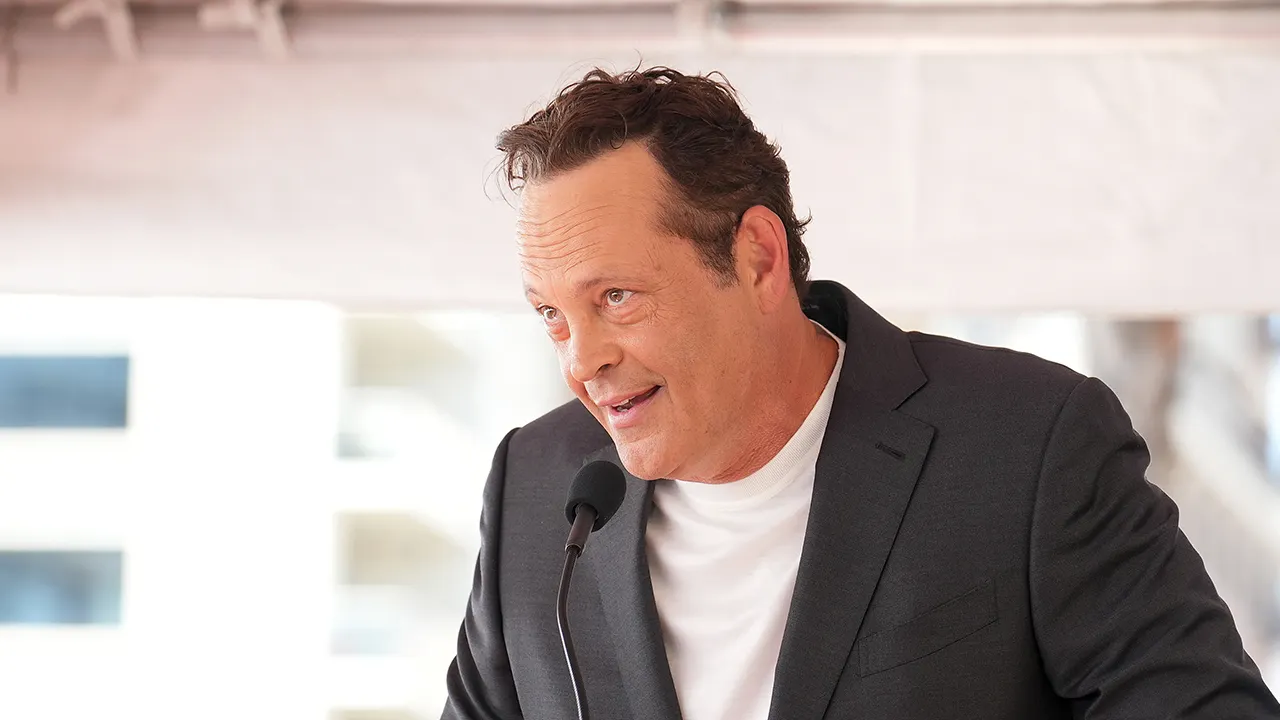
Vince Vaughn’s screen image is so tied to speed that it is easy to forget how much patience his career required. He became famous for characters who talk quickly, push too hard, interrupt at the wrong moment, and somehow escape with their charm still intact. That rhythm did not arrive fully formed in a Hollywood boardroom. It came from a tall Midwestern boy who learnt early that presence could be useful, but only if he knew how to control it.
Vincent Anthony Vaughn was born on 28 March 1970 in Minneapolis, Minnesota, and was raised mainly in Lake Forest, Illinois. His father, Vernon Vaughn, worked as a salesman, while his mother, Sharon, worked in real estate and finance. He grew up in a family that understood performance in a practical way. Sales, persuasion, confidence, and reading people were part of ordinary life, not distant show-business ideas. Those instincts later shaped his acting, especially when he played men who talked as if silence was a threat.
Vaughn was not the kind of young actor who seemed built for delicate period drama. He was tall, broad, sharp-eyed, and physically hard to ignore. At 6ft 5in, he often looked too large for the room, and later films used that size in clever ways. In comedy, his height made him look like a man who should be in control, which made it funnier when his characters panicked, lied, or unraveled. In darker roles, the same build gave him quiet menace.
Vaughn attended Lake Forest High School, where he played sports and began to take acting seriously. A car accident during his teenage years ended some of his athletic hopes and pushed him further towards performance. That shift matters because Vaughn’s later career often carried the feeling of a former athlete trapped inside an actor’s body. He moved like a man used to competition. He argued like someone trying to win a match. Even his comic scenes often felt like verbal sports.
Vaughn did not take the clean, simple path into fame. He moved to Los Angeles as a young man and worked through the usual early grind, commercials, minor television parts, auditions, and small film roles. That period gave him more than credits. It gave him hunger. His later characters often act as if they are one bad decision away from losing everything, and that edge came from years of trying to be noticed in a city full of people trying to do the same.
His early years also gave him one of the most important relationships of his career. He met Jon Favreau, another actor and writer trying to find a place in Hollywood. Their friendship became central to Vaughn’s breakthrough. Favreau had a quieter, more anxious screen presence. Vaughn had swagger. Together, they created a contrast that would define one of the most influential independent comedies of the 1990s.
The First Door Opens
Vaughn’s first screen years were not glamorous. He appeared in adverts and television shows before landing a small role in Rudy, the 1993 sports drama about Daniel “Rudy” Ruettiger and Notre Dame football. The role was not large, but it placed Vaughn inside a film that many American viewers remembered with affection. More importantly, it put him near Favreau, who also appeared in the film. Their connection would matter more than anyone could have known at the time.
The early 1990s were difficult for actors who did not fit one simple type. Vaughn was not a clean-cut romantic lead in the usual mold, but he was also not a background character. He had too much presence for small parts and not yet enough reputation for big ones. That middle space can bury actors. Vaughn used it to sharpen his timing.
His breakthrough arrived through Swingers, released in 1996. Jon Favreau wrote the script, Doug Liman directed it, and Vaughn played Trent Walker, a confident Los Angeles nightlife operator who drags Favreau’s heartbroken Mike through clubs, parties, and awkward attempts at romance. The film was made on a small budget, but its impact was large. It caught a specific mood: young men trying to sound fearless while quietly worrying that they had no idea what they were doing.
Trent Walker could have been unbearable in another actor’s hands. He is loud, pushy, vain, and relentless. Vaughn made him funny because he portrayed the confidence as both real and ridiculous. Trent believes his own advice, even when the audience can see its limits. He is not only a party animal. He is a man performing confidence for someone who has lost it.
The phrase “you’re so money” became tied to the film, but Vaughn’s work in Swingers was more than catchphrases. His rhythm was the point. He spoke quickly but not randomly. He built pressure inside a scene. He made Trent seem like a man who could talk himself into a club, out of trouble, and into a worse problem within the same minute. That rhythm became one of Vaughn’s trademarks.
Swingers also gave Vaughn a screen identity that Hollywood understood. He could play the friend who pushes the story forward. He could play confidence as comedy. He could make insecurity look loud. For a young actor, that was gold. For Vaughn, it was also a trap waiting in the distance. Once audiences love a persona, they often ask for it again and again.
The Sudden Leap into Bigger Films
After Swingers, Vaughn moved quickly into larger productions. One of the biggest was The Lost World: Jurassic Park, Steven Spielberg’s 1997 sequel to Jurassic Park. Vaughn played Nick Van Owen, a documentary filmmaker and environmental activist who joins the expedition to Isla Sorna. The role placed him in a huge studio film, far from the small Los Angeles rooms of Swingers.
That jump showed Hollywood’s interest in him, but it also showed the difficulty of placing him. In The Lost World, Vaughn was not the motor of the film in the way he had been in Swingers. He was part of the adventure machinery. The film gave him visibility, but not the same control over tone. It proved he could stand inside a blockbuster, but it did not fully explain what Hollywood should do with him next.
Vaughn then made a string of choices that now look more adventurous than people sometimes remember. He appeared in Return to Paradise, a moral drama about friendship, guilt, and legal danger. He starred in Gus Van Sant’s 1998 remake of Psycho, taking on the role of Norman Bates, one of cinema’s most famous disturbed characters. He also appeared in Clay Pigeons and later The Cell, a visually intense psychological thriller starring Jennifer Lopez.
These roles are important because they show that Vaughn did not begin as a pure comedy actor. He tried thrillers, dramas, crime stories, and strange psychological material. Some of the films worked better than others, but the attempt matters. Vaughn seemed interested in characters who carried nervous energy. Comedy was one way to release it. Violence and threat were another.
His Psycho role remains one of the strangest turns in his career. Remaking Alfred Hitchcock’s film shot-for-shot was always a risky idea. Playing Norman Bates after Anthony Perkins was riskier still. Vaughn could not win by imitation, and the film received mixed responses. Yet the role showed a willingness to step into danger. He was not hiding inside an easy charm.
During this period, Vaughn’s career had momentum but no fixed track. He had been a cult comedy star, a Spielberg supporting player, a thriller actor, and a dramatic lead. Hollywood often struggles with actors who can do several things but are not yet branded as one thing. The next phase of Vaughn’s career would solve that problem by turning him into one of the defining comedy figures of the early 2000s.
The Comedy Run That Made Him a Star
Vaughn’s major comedy run began when Hollywood found the right setting for his gifts: adult men behaving badly, usually with enough self-awareness to avoid complete cruelty. Old School, released in 2003, became one of the films that shaped early 2000s American comedy. Vaughn played Bernard “Beanie” Campbell, a married man who helps start a fraternity with his friends. The role sharpened his public image. Beanie is a salesman, a schemer, a family man, and a chaos agent. Vaughn understood every part of him.
Old School worked because Vaughn did not need to shout to dominate. He could stand still and make the scene move around him. His characters often behave as if they are managing a situation, even when they caused the problem. That contradiction became a key part of his humour. He played men who sell bad ideas with the confidence of a professional consultant.
Dodgeball: A True Underdog Story followed in 2004 and gave Vaughn a different comic shape. As Peter LaFleur, the owner of Average Joe’s Gym, he played a more relaxed, less aggressive character. Ben Stiller took the louder villain role, while Vaughn acted as the dry centre of the film. That balance mattered. It showed that Vaughn could anchor a comedy without turning every line into a verbal attack.
Starsky & Hutch placed him alongside Ben Stiller and Owen Wilson, two actors often linked with the same comedy circle. Vaughn played Reese Feldman, a smooth criminal with the casual confidence of a man who thinks he is smarter than everyone else. It was not his deepest role, but it fitted his early 2000s rhythm: charm with sharp edges, friendliness with a threat behind it.
Then came Wedding Crashers in 2005. The film turned Vaughn and Owen Wilson into one of the decade’s most memorable comedy pairings. Wilson brought soft charm and romantic drift. Vaughn brought panic, hunger, and attack. As Jeremy Grey, Vaughn gave one of his most famous performances. Jeremy is a man who treats weddings like sport, then finds himself trapped by feelings, family pressure, and Isla Fisher’s wildly intense Gloria.
The comedy in Wedding Crashers depends heavily on Vaughn’s ability to escalate. He starts many scenes in control, then loses that control in stages. His face changes before his words do. His body stays stiff while his voice tries to negotiate disaster. That is why the performance still works. It is not just fast talking. It is fast thinking under pressure.
The Break-Up, released in 2006, paired Vaughn with Jennifer Aniston and moved him closer to romantic comedy-drama. The film is sharper than its marketing suggested. It follows a couple whose relationship collapses while both remain in the same flat. Vaughn’s character, Gary, is funny but selfish. He is not a cartoon villain, but he is often emotionally lazy. The film let Vaughn show the less charming side of the same traits that made his comic characters popular.
That period made Vaughn a bankable star, but it also narrowed expectations. Audiences wanted the fast talker. Studios wanted the big comedy presence. The danger was repetition. Vaughn’s gift was recognisable, but recognisable gifts can become boxes.
What Made His Comedy Different
Vaughn’s comedy did not depend on neat jokes. It depended on momentum. He often played characters who seemed to be building an argument while they were speaking. His lines could feel half-scripted and half-invented, even when the structure was clear. He made dialogue sound like a negotiation, a sales pitch, a confession, and a cover-up at the same time.
His speed mattered, but speed alone is not funny. Vaughn used pace to reveal character. His men talk quickly because they want to stay ahead of the consequences. They do not always lie, but they often decorate the truth until it becomes useful. That is why his best comic performances have tension under them. The laugh comes from watching someone try to control a situation with words when the situation has already slipped away.
His size added another layer. Vaughn often played opposite actors who were calmer, smaller, or more visibly anxious. That contrast made him look powerful at first. Then the scene would slowly expose how fragile that power was. A man as tall as Vaughn should not look cornered by a conversation, but he often did. That mismatch gave his comedy its charge.
His characters also had a specific social type. They were not fools in the simple sense. Many were observant, articulate, and emotionally perceptive when it suited them. Their flaw was not stupidity. Their flaw was evasion. They knew what other people wanted, but they often used that knowledge to dodge responsibility.
Vaughn also carried a salesman’s rhythm. He could make a bad plan sound reasonable by refusing to pause. That quality linked back to his family background and Midwestern directness. He did not play slick in a polished, coastal way. He played slick as practical survival. His characters were often men who believed that the right sentence, delivered with enough confidence, could delay disaster.
This is why Vaughn fitted the so-called “Frat Pack” era without being identical to the others. Ben Stiller often played humiliation and control. Owen Wilson played looseness and charm. Will Ferrell played absurd commitment. Vaughn played verbal pressure. He could make a conversation feel like a crowded room, even when only two people were present.
The “Frat Pack” label was useful for marketing, but it flattened the actors inside it. Vaughn’s best work from that period is more precise than the label suggests. He was not simply playing immature men. He was playing men who had learnt to turn immaturity into a social weapon. That difference gave his comedy a sharper edge.
Friendships, Stories, and the Work Behind the Image
Vaughn’s career has been shaped by long creative relationships. Jon Favreau is the most obvious. Their work together on Swingers created Vaughn’s breakthrough, and their friendship became part of Hollywood lore. Favreau later became a major director and producer, especially through Iron Man and The Mandalorian, while Vaughn continued along a different route. Their early partnership remains a reminder that careers often turn on trust between people before they turn on studios.
Peter Billingsley is another important figure in Vaughn’s world. Many viewers know Billingsley as the child actor from A Christmas Story, but as an adult he became a producer and director. He and Vaughn have worked together on several projects, including Couples Retreat. Billingsley also appeared at Vaughn’s Hollywood Walk of Fame ceremony in 2024, a sign of a friendship that lasted far beyond one film or one phase of fame.
Vaughn’s public image often suggests looseness, but comedy at his level requires discipline. Fast dialogue needs structure. Improvisation works only when an actor listens closely. Vaughn’s scenes often feel alive because he reacts in real time. He does not simply wait for his next line. He shifts, interrupts, tests the other actor, then changes direction.
That style can be risky. A performer who pushes too hard can smother a scene. Vaughn’s strongest work usually comes when the film gives him a solid partner or a firm frame. In Wedding Crashers, Owen Wilson’s gentler rhythm keeps Vaughn from floating away. In Dodgeball, Ben Stiller’s absurd villainy gives Vaughn room to underplay. In The Break-Up, Jennifer Aniston’s grounded frustration forces him to face the emotional cost of his character’s behaviour.
There are also lesser-known details that add texture to his image. Vaughn has long been associated with Chicago and the Midwest, even though his work belongs to Hollywood. He has shown interest in sports, poker-style banter, and physical training. He has also spoken publicly about political views that do not fit neatly into Hollywood’s usual public tone, often described as libertarian. Those views have sometimes drawn attention, but they are part of a larger pattern: Vaughn often resists the smooth celebrity mould.
His private life has been steadier than some might expect from his early screen image. He married Canadian realtor Kyla Weber in 2010, and they have two children. That family life sits in contrast with the characters that made him famous, many of whom behaved as if adulthood were a trap. Vaughn’s real life moved in a quieter direction while his screen persona remained tied to chaos.
His career also carries a strong sense of physical space. Vaughn looks natural in bars, gyms, hotel rooms, police stations, and family homes where people are too close to one another. He is good at playing discomfort in shared spaces, whether it is a wedding table, a suburban kitchen, a squad room, or a row of restaurant booths where a character pretends that everything is fine while the conversation turns against him.
The Turn Towards Tougher Work
Vaughn’s later career became more interesting when he moved away from broad comedy. Some of his studio comedies after the 2000s peak did not land with the same force. Films such as The Internship and Unfinished Business used pieces of the old Vaughn persona, but the cultural moment had changed. The fast-talking adult-male comedy that had dominated the early 2000s no longer felt as fresh.
Rather than disappear into repetition, Vaughn began to lean into darker roles. His second-season role in True Detective in 2015 was a major attempt to shift tone. He played Frank Semyon, a criminal businessman trying to hold power as his world begins to crack. The season received mixed reactions, and Vaughn’s performance divided viewers. Yet the choice was serious. He was trying to use his verbal intensity in a crime drama rather than a comedy.
That shift became more convincing in Brawl in Cell Block 99, released in 2017. Vaughn played Bradley Thomas, a former boxer and drug courier who descends into brutal prison violence. The film used Vaughn’s size differently from his comedies. There was no frantic charm. There was weight, silence, and damage. His shaved head, heavy posture, and controlled rage made the performance feel like a deliberate rejection of his old comic image.
Dragged Across Concrete, released in 2018, continued that harder direction. Vaughn starred alongside Mel Gibson in a slow, grim crime film about police corruption, desperation, and moral decay. The film was controversial, but Vaughn’s performance again showed how well he could play stillness. After years of being known for speed, he had begun to explore what happened when he held back.
He also found a clever middle ground in Freaky, the 2020 horror-comedy directed by Christopher Landon. Vaughn played a serial killer whose body is swapped with that of a teenage girl, played by Kathryn Newton. The premise could have collapsed into cheap parody. Vaughn made it work by committing to the physical details of the role. He did not simply act “silly”. He changed posture, gesture, hesitation, and expression. The film reminded audiences that he could still be funny, but in a new shape.
His role in Hacksaw Ridge, Mel Gibson’s 2016 war drama, also deserves mention. Vaughn played Sergeant Howell, a military trainer with a hard voice and a comic edge. The role used his authority rather than his chaos. He brought pressure to the early training scenes, but the film did not ask him to take over. It placed him inside an ensemble and let him serve the story.
Television later gave him another strong vehicle with Bad Monkey, the Apple TV+ series based on Carl Hiaasen’s novel. Vaughn plays Andrew Yancy, a former Miami police detective working as a health inspector in the Florida Keys after being pushed out of the force. The story begins with a severed arm and moves through corruption, odd characters, and Florida absurdity. Apple released the series in August 2024 and renewed it for a second season in December 2024.
Bad Monkey fits Vaughn well because it brings together several parts of his career. Yancy is talkative, stubborn, morally irritated, and unable to leave trouble alone. He has a comic rhythm, but he also belongs to a crime story. The role does not ask Vaughn to pretend he is still the same man from Wedding Crashers. It lets him age into a sharper, more weathered version of his screen energy.
Why Vince Vaughn Lasts
Vince Vaughn received a star on the Hollywood Walk of Fame on 12 August 2024, in the Motion Pictures category. The ceremony placed him at a point where his career could be viewed as a whole: independent breakthrough, blockbuster exposure, comedy stardom, uneven studio years, and later reinvention. At the ceremony, he spoke about being born and raised in the Midwest while coming of age in California, a neat summary of the two forces that shaped him.
His legacy is not only that he starred in popular comedies. It is that he created a comic rhythm that became instantly recognisable. Many actors are funny because they deliver jokes well. Vaughn is funny because he makes thought visible. You can see his characters calculating, defending, selling, regretting, and doubling down, often within a few seconds.
His best roles also carry a strong sense of male panic. That may be the hidden reason his comedy lasted. Beneath the swagger, his characters often fear rejection, boredom, failure, commitment, or exposure. They talk because silence would reveal too much. They joke because honesty would cost them something. Vaughn found comedy in that gap between performance and fear.
His career also shows the danger of success. The role that makes an actor famous can become the role everyone keeps asking him to repeat. Vaughn spent years inside variations of the charming, difficult, fast-talking man. Some were sharp. Some were thin. The later part of his career became stronger when he stopped treating that persona as a fixed product and started bending it into crime, horror, and television.
Vaughn’s strongest performances often work because he does not ask the audience to fully approve of him. Trent in Swingers is fun but exhausting. Beanie in Old School is clever but irresponsible. Jeremy in Wedding Crashers is hilarious but selfish. Gary in The Break-Up is charming until his emotional laziness becomes painful. Bradley in Brawl in Cell Block 99 is frightening, but not empty. Vaughn’s characters often stand close to the line between likeable and unbearable.
That tension gives his work more life than a simple list of hits suggests. He became famous in a period when Hollywood comedy rewarded big personalities, but his best acting has always depended on detail. A pause before a lie. A smile that arrives too early. A burst of confidence that sounds rehearsed. A sudden stillness after years of noise.
Vince Vaughn remains interesting because he has never been only one thing, even when Hollywood tried to make him one thing. He has been the nightclub philosopher of Swingers, the reluctant gym owner of Dodgeball, the wedding predator turned romantic victim of Wedding Crashers, the bruised criminal of Brawl in Cell Block 99, and the stubborn investigator of Bad Monkey. The voice is still recognisable. The uses have changed.
His career began with nerves, but it lasted because nerve alone was not enough. Vaughn learnt how to turn height, speed, impatience, charm, and discomfort into performance. He made talking a form of action. He made confidence look funny because he understood its weakness. He made reinvention possible because he allowed age to harden the old persona rather than erase it.
That is why Vince Vaughn still holds attention after decades on screen. He is not simply the fast talker from the 2000s. He is an actor who built a career out of pressure: social pressure, comic pressure, physical pressure, and moral pressure. When he uses that pressure well, a scene changes temperature the moment he enters it.

The Stunning Florida Resort Chosen By Wyndham, One of the World’s Biggest Hotel Brands: Why It’s the Perfect Family Disney Holiday

Why Chauffeur Car Hire in London Is the Smartest Way to Travel in 2026

Preserving Stories of Service: Why Military History Deserves to Be Remembered

How FastTurnPCBs Supports Cost-Effective PCB Manufacturing

How Small Fragrance Brands Are Challenging the Biggest Designer Names

4 Cost Factors That Affect Air Conditioner Installation Cost in Singapore for Split AC Units

Forklift Parts in Garner, NC: Ensuring Reliable Performance, Safety, and Long-Term Equipment Efficiency

Easiest Ways To Remove Tan For Men

Vinyl Wrap vs Traditional Refinishing: Which Is Better for Furniture Makeovers?

Architecture of Community Magazine: How Collective Memory Shapes Cultural Identity in Modern Times
4 Cost Factors That Affect Air Conditioner Installation Cost in Singapore for Split AC Units
Forklift Parts in Garner, NC: Ensuring Reliable Performance, Safety, and Long-Term Equipment Efficiency
Easiest Ways To Remove Tan For Men
Vinyl Wrap vs Traditional Refinishing: Which Is Better for Furniture Makeovers?
Architecture of Community Magazine: How Collective Memory Shapes Cultural Identity in Modern Times

The Stunning Florida Resort Chosen By Wyndham, One of the World’s Biggest Hotel Brands: Why It’s the Perfect Family Disney Holiday
Magic Moment Resort & Kids Club is a favorite Florida destination for UK families for two primary reasons. Unlike resorts...

Why Chauffeur Car Hire in London Is the Smartest Way to Travel in 2026
London in 2026 is busier, bigger, and more demanding than ever. Between expanding ULEZ zones, unpredictable Tube delays, and traffic...

Preserving Stories of Service: Why Military History Deserves to Be Remembered
History is more than a collection of dates and events. It is the story of people who demonstrated courage, resilience,...

How FastTurnPCBs Supports Cost-Effective PCB Manufacturing
Printed circuit boards (PCBs) are the foundation of nearly every modern electronic device. From smartphones and medical equipment to industrial...

How Small Fragrance Brands Are Challenging the Biggest Designer Names
Introduction A few years ago, buying perfume often meant choosing from the same well-known designer brands found in department stores....


Your Lawn Can Be Lush—Without Harming the Planet
Most homeowners want a thick, green yard. What they don’t always want is the trail of chemical runoff, wasted water,...


How Interior Painting Improves Your Home’s Appearance and Value
Introduction. Why Interior Painting Is More Than a Cosmetic Upgrade Your home’s interior says a lot about how well it...


Healthy Lifestyle Exercise Guide for Women: How Move More Age Better Build Strength and Feel Extraordinary 2026
Why Exercise Is Non-Negotiable for Women’s Long-Term Health and Radiance Exercise is not simply a tool for weight management ,...


Garment Quality Control Checklist: The Important Role of Sewing Threads
Top few things that come to mind when we talk about the quality of garments are the fabric, the design,...


How Apparel Manufacturers Can Improve Productivity Through Thread Optimization
Apparel manufacturers can really improve how well they make clothes by paying attention to the thread they use. When people...
-

 Tech3 months ago
What is Spaietacle? Inside the New Era of Interactive Digital Platforms
-

 Food3 months ago
Crocolini Explained What Is Crocolini Vegetable Toy and More
-

 Entertainment3 months ago
¿Es ENGWE una Buena Marca de Bicicletas Eléctricas? Análisis Real en España
-

 Celebrity9 months ago
Shaun Holguin: Jodie Sweetin’s First Husband and a Life Outside the Spotlight
-

 News9 months ago
Who is Taimi Li? Everything About Jet Li’s Daughter
-

 Celebrity8 months ago
Meet Billie Early — Everything About Cameron Diaz’s Mother,
-

 Celebrity8 months ago
Who is Michael Ciminella? Everything You Need to Know About Ashley Judd’s Father
-

 Celebrity9 months ago
Maureen E. McPhilmy – Biography of Bill O’Reilly’s Ex-Wife Life After Divorce