Animal
Carpincho: The Calm Giant Rodent Everyone Loves

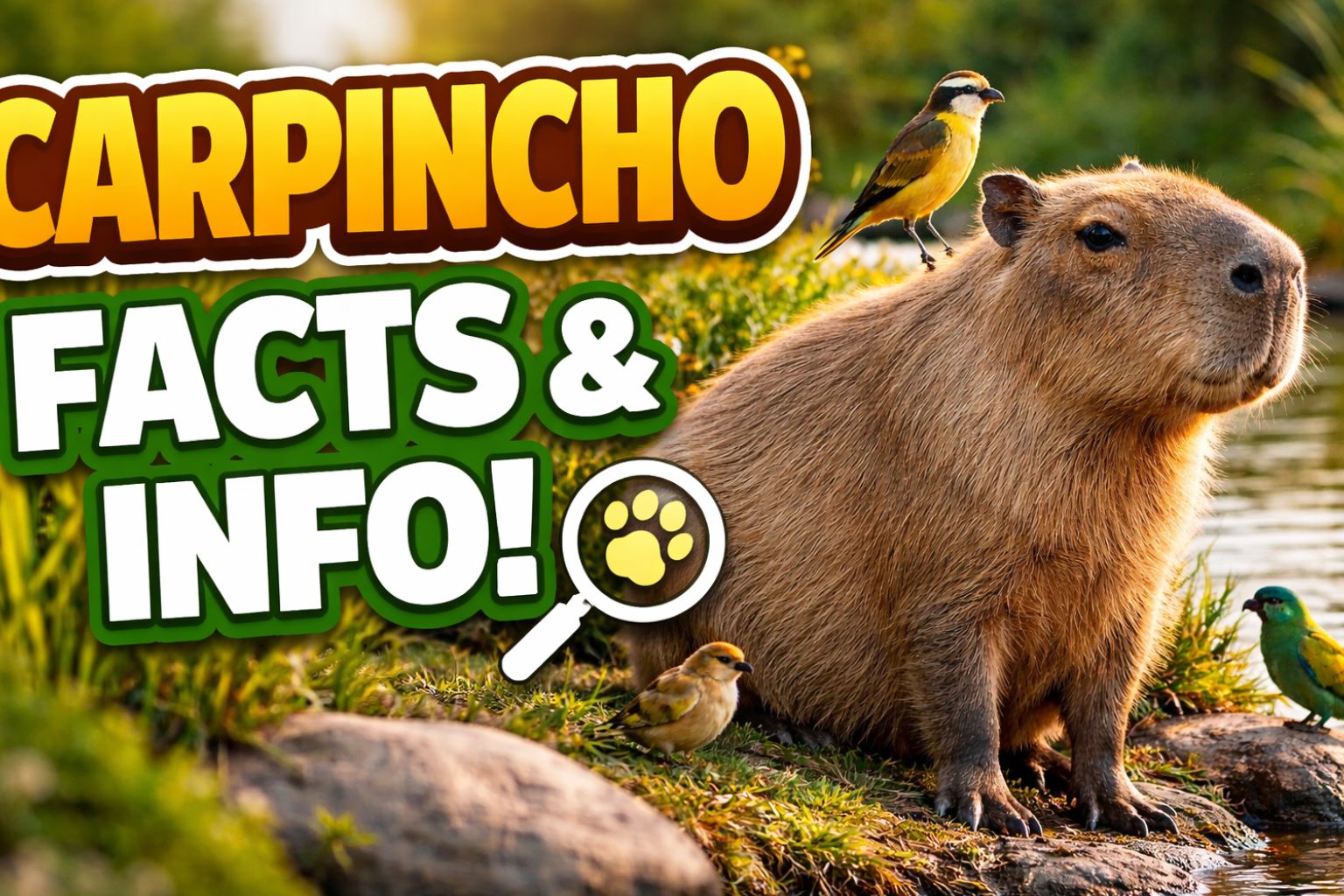
Carpincho is a popular name often used for the capybara, the world’s largest rodent. Known for its calm personality and friendly nature, this animal has become a global internet favorite. From viral memes to wildlife documentaries, the carpincho continues to capture attention. But beyond its online fame, it is a fascinating creature with unique habits, social behavior, and ecological importance.
What Is a Carpincho
The word carpincho is commonly used in parts of South America to refer to the capybara, scientifically known as Hydrochoerus hydrochaeris. It is a large semiaquatic rodent that belongs to the same family as guinea pigs. The name varies by region, with some people calling it capybara while others prefer carpincho.
Despite being a rodent, it is very different from the small animals most people imagine. Its size, behavior, and social lifestyle make it stand out in the animal kingdom.
Scientific Classification and Name
The carpincho belongs to the rodent order, which is the largest group of mammals. Its scientific name, Hydrochoerus hydrochaeris, reflects its relationship with water. The word “Hydro” means water, highlighting its strong connection to aquatic environments.
It is closely related to other rodents, but it is much larger and more adapted to living near water. This makes it a unique species within its group.
Physical Appearance and Size
The carpincho is often called a gentle giant because of its impressive size and calm presence. It can grow up to 1.2 meters in length and weigh between 35 and 66 kilograms. Its body is barrel shaped, with short legs and a blunt snout.
Its fur is coarse and usually brown or reddish brown, helping it blend into its natural surroundings. Its eyes, ears, and nostrils are positioned high on its head, allowing it to stay mostly underwater while still being aware of its environment.
Natural Habitat and Distribution
Carpinchos are native to South America and can be found in almost every country on the continent except Chile. They prefer areas close to water, such as rivers, lakes, wetlands, and marshes.
Water plays a vital role in their lives. It helps them regulate body temperature, escape predators, and find food. During hot weather, they spend a lot of time submerged in water to stay cool.
Their adaptability allows them to live in various environments, from dense forests to open grasslands, as long as water is nearby.
Diet and Feeding Habits
Carpinchos are herbivores, which means they only eat plant based foods. Their diet mainly consists of grasses and aquatic plants. They may also eat fruits and tree bark when available.
They have strong teeth that continuously grow, which is common among rodents. This allows them to chew tough plant material without damaging their teeth.
An interesting aspect of their feeding behavior is that they sometimes re eat partially digested food. This process helps them extract more nutrients from their diet and is a natural part of their digestive system.
Social Behavior and Group Living
One of the most fascinating aspects of the carpincho is its social nature. These animals are highly social and usually live in groups of 10 to 20 individuals. In some cases, groups can grow even larger depending on the availability of resources.
Within the group, there is often a dominant male, along with several females and their young. Living in groups helps them stay safe from predators and makes it easier to find food.
Their communication includes sounds like whistles, barks, and clicks. These sounds help them stay connected and alert others to danger.
Why Carpinchos Are Called Gentle Giants
Carpinchos have earned the nickname gentle giants because of their calm and friendly behavior. They are rarely aggressive and often tolerate the presence of other animals.
In many cases, birds, monkeys, and even reptiles can be seen resting near or on them. This peaceful coexistence has made them popular in wildlife photography and online videos.
Their relaxed nature is one of the main reasons they have become an internet sensation.
Relationship With Water
Water is essential for the survival of the carpincho. They are excellent swimmers and can stay underwater for several minutes. This ability helps them escape predators such as jaguars, caimans, and anacondas.
They also use water to regulate body temperature, especially in hot climates. During the day, they may remain partially submerged to avoid overheating.
Their semiaquatic lifestyle is one of the key features that define them as a species.
Reproduction and Life Cycle
Carpinchos reproduce throughout the year, although breeding often depends on environmental conditions. After a gestation period of about five months, a female gives birth to a litter of two to eight young.
The newborns are well developed and can walk, swim, and eat grass shortly after birth. However, they still rely on their mother for protection and care.
Living in a group provides additional safety for the young, as multiple adults help watch over them.
Predators and Survival
Despite their size, carpinchos face several natural predators. Jaguars, pumas, caimans, and large snakes are among the main threats.
To survive, they rely on their strong swimming skills and group behavior. When danger approaches, they quickly move into the water, where they are more difficult to catch.
Their alertness and social communication also play an important role in avoiding predators.
The Rise of Carpincho in Internet Culture
In recent years, the carpincho has gained global popularity through social media and viral content. Videos showing their calm behavior and interactions with other animals have captured the attention of millions.
Sometimes, the name is humorously misspelled as cadibara or carpincho in online trends. Regardless of the spelling, the charm of this animal remains the same.
Its relaxed personality has made it a symbol of peace and calmness in internet culture.
Importance in Ecosystems
Carpinchos play an important role in their ecosystems. By feeding on grasses and aquatic plants, they help maintain the balance of vegetation.
They also serve as prey for larger predators, contributing to the food chain. Their presence supports biodiversity and helps keep ecosystems healthy.
In addition, their grazing habits can influence the structure of plant communities in their habitats.
Interaction With Humans
Carpinchos are generally not aggressive toward humans and are often seen in areas close to human settlements. In some regions, they are kept in wildlife reserves or farms.
However, it is important to respect their natural behavior and avoid disturbing them. While they may appear friendly, they are still wild animals and should be treated with care.
Their growing popularity has also increased interest in conservation and awareness about their natural habitats.
Conservation Status
The carpincho is not currently considered endangered, but it still faces threats from habitat loss and hunting in certain areas. Wetland destruction and human expansion can reduce their natural habitats.
Conservation efforts focus on protecting wetlands and promoting sustainable practices that allow both humans and wildlife to coexist.
Awareness about their ecological role helps support these efforts and ensures their survival for future generations.
Interesting Facts About Carpinchos
Carpinchos are known for their ability to remain calm even in stressful situations. They can sleep in water with only their noses above the surface.
They are also one of the most social rodents in the world, forming strong bonds within their groups. Their adaptability allows them to thrive in different environments, as long as water is available.
Their unique combination of size, behavior, and lifestyle makes them one of the most fascinating animals in the animal kingdom.
Final Thoughts
The carpincho is more than just an internet trend. It is a remarkable animal with unique characteristics and an important role in nature. Its calm personality, social behavior, and adaptability make it stand out among mammals.
As people continue to learn about this gentle giant, it becomes clear that its popularity is well deserved. Understanding and protecting its natural habitat will help ensure that future generations can continue to admire and appreciate this incredible species.
FAQs
What is a carpincho?
A carpincho is another name for the capybara, the largest rodent in the world, native to South America.
Where do carpinchos live?
They live in South America near rivers, lakes, and wetlands, where water is always available.
What do carpinchos eat?
Carpinchos are herbivores and mainly eat grass, aquatic plants, fruits, and bark.
Why are carpinchos so calm?
Their social nature and lack of aggressive behavior make them naturally calm and tolerant of other animals.
Are carpinchos dangerous to humans?
Carpinchos are generally not dangerous, but they are wild animals and should be treated with respect and caution.


Spanish Vocabulary Guide: How the Word Viejo Changes Meaning Across Contexts

Expanding Your Vocabulary: A Guide to Describing the World with “U” Adjectives

The Easy Way to Understand Composite Bonding Newcastle

Dental Implants Middlesbrough 7 Things That Happen Inside Your Jaw After Placement

Discovering the joys of camping: comfort, adventure, and connection

Spanish Vocabulary Guide: How the Word Viejo Changes Meaning Across Contexts
Spanish is a vibrant language where a single word can express a literal fact, a warm emotion, or casual street...

Expanding Your Vocabulary: A Guide to Describing the World with “U” Adjectives
Whether you are crafting a captivating blog post, writing a novel, or simply trying to express yourself more clearly in...

The Easy Way to Understand Composite Bonding Newcastle
Composite bonding has become one of the most popular cosmetic dental treatments in the UK, offering a simple yet effective...

Dental Implants Middlesbrough 7 Things That Happen Inside Your Jaw After Placement
Dental implants have transformed the way people restore missing teeth, offering a stable and long-lasting solution. For those considering Dental...

Discovering the joys of camping: comfort, adventure, and connection
Stepping away from city lights and crowded routines, camping invites a reconnection with nature and an escape from daily stress....


The Trimmer Edit: What Different Price Ranges Actually Get You
The trimmer aisle has officially entered its gadget era. One model looks like lipstick, another comes with six attachments, and...


Common Automatic Watch Mistakes That Are Slowly Damaging Your Timepiece
An automatic watch is a small, self-contained machine. Every rotor spin, every jewel bearing, every tiny spring inside it is...


Who is Dan M. Jones? Untold Story of the SEO Expert and Entrepreneur
Dan M. Jones is a British entrepreneur, leading SEO consultant, author and public speaker best known as the founder of...


Premium vs Budget Kilts: Which One Is Right for You?
Choosing the right Scottish kilt is about more than finding a design you like. One of the biggest decisions you’ll...


Driving fence posts with a hydraulic post driver instead of digging every hole by hand
Across a Canadian summer, ranchers race the short season to string new fence before the ground hardens and the work...
-

 Tech6 months ago
What is Spaietacle? Inside the New Era of Interactive Digital Platforms
-

 Food6 months ago
Crocolini Explained What Is Crocolini Vegetable Toy and More
-

 Home Improvement4 months ago
4 Cost Factors That Affect Air Conditioner Installation Cost in Singapore for Split AC Units
-

 Entertainment6 months ago
¿Es ENGWE una Buena Marca de Bicicletas Eléctricas? Análisis Real en España
-

 Celebrity12 months ago
Meet Billie Early — Everything About Cameron Diaz’s Mother,
-

 Celebrity1 year ago
Shaun Holguin: Jodie Sweetin’s First Husband and a Life Outside the Spotlight
-

 News12 months ago
Who is Taimi Li? Everything About Jet Li’s Daughter
-

 Celebrity12 months ago
Meet Corrie Bird – Larry Bird’s Daughter Carving Her Own Path