
Business
The Real Value of Workplace Safety Compliance


Every business owner wants their team to return home safely at the end of the day. Achieving this goal requires more than hanging a few warning signs or holding an annual meeting. It demands a dedicated approach to hazard prevention and a deep commitment to the people who keep your operations moving.
When facilities prioritize proper protocols, the results ripple through the entire organization. Morale improves, operations run smoothly, and the overall environment becomes a place where people actually want to work. It shifts the focus from avoiding penalties to actively improving daily life on the floor. Productivity naturally increases when workers do not have to worry about easily preventable accidents.
Arbill specializes in making this shift seamless for your business. By integrating proactive safety measures directly into your daily workflow, we help you build an environment that naturally prioritizes well-being. We understand that navigating the complex web of regulations can be daunting, so we handle the heavy lifting for you.
Moving Beyond the Basics
Many organizations treat safety protocols as a static requirement. They check the necessary boxes, file the paperwork, and hope for the best. However, a static approach often misses new risks that emerge as your business grows or changes. New equipment, updated workflows, and changing regulations all require a dynamic response.
Relying on outdated methods leaves your facility vulnerable to accidents and costly fines. A minor oversight can lead to significant downtime, disrupting your supply chain and impacting your bottom line. Companies cannot afford to wait for an incident to occur before taking action.
Our comprehensive safety services address these evolving needs head-on. We conduct thorough assessments to identify potential hazards before they cause harm. By anticipating risks, you can implement safeguards that actually make sense for your specific layout and daily operations. We look at the unique challenges of your industry and provide targeted recommendations that keep your facility ahead of the curve.
Creating a Culture of Care
Safety is fundamentally about people. When employees see management investing in their protection, it builds a profound sense of trust. Workers are more likely to speak up about potential hazards when they know their concerns will be taken seriously and addressed promptly. This open line of communication is essential for maintaining a secure facility.
High turnover rates often plague industries with poor safety records. Conversely, organizations that put their people first enjoy higher retention rates and attract top talent. Employees want to work for companies that value their health and well-being.
Arbill partners with you to nurture this culture. We provide targeted training programs that empower your staff to take ownership of their surroundings. This peer-to-peer accountability is incredibly powerful. Instead of relying solely on supervisors to enforce rules, the entire team works together to maintain a secure environment. When everyone is on the same page, the entire operation runs much more efficiently.
Smart Solutions for Modern Facilities
Keeping up with safety requirements doesn’t have to be a complicated burden. Modern facilities need streamlined, practical solutions that integrate easily with existing operations. Complexity often leads to non-compliance, so simplicity is key to maintaining a robust safety program over the long term.
Managing protective equipment, tracking training schedules, and conducting regular audits can drain internal resources. Without the right support, facility managers often find themselves overwhelmed by administrative tasks rather than focusing on actual hazard prevention.
We offer tailored strategies that fit your exact industry requirements. From sourcing the right personal protective equipment to designing clear emergency response plans, Arbill provides end-to-end support. This allows your management team to focus on core business activities with the confidence that facility safety is expertly managed. We give you the tools and insights needed to maintain a pristine safety record year after year.
Securing Your Team’s Future
Workplace Safety Compliance protects your team from preventable injuries and keeps your operations running without costly interruptions. When you prioritize these protocols, you build a resilient foundation for long-term growth and stability. A secure workforce is a productive workforce, and a safe facility is a profitable one.
You do not have to navigate the complexities of hazard prevention alone. Partnering with a dedicated service provider ensures that you always have access to the latest best practices and industry insights.
Your people deserve a secure environment, and your business deserves the peace of mind that comes with expert support. Reach out to Arbill today to discuss how our specialized services can optimize your facility’s safety standards and protect your most valuable assets. Let us help you create a workplace where safety is simply a natural part of the workday.

Most homeowners want a thick, green yard. What they don’t always want is the trail of chemical runoff, wasted water, and compacted soil that comes with conventional lawn care. The good news? A beautiful lawn and an eco-conscious approach aren’t mutually exclusive—and Weed Pro Lawn Care is proof of that.
This post explores what environmentally responsible lawn care actually looks like in practice, why it matters more than ever, and how the right professional service can make it effortless for you.
Why Conventional Lawn Care Comes at a Hidden Cost
Walk down any suburban street in summer, and you’ll likely see signs staked in freshly treated grass: “Keep off—chemical application.” Those signs exist for a reason. Synthetic fertilizers and pesticides can leach into groundwater, disrupt soil ecosystems, and pose risks to pets, children, and local wildlife.
According to the U.S. Environmental Protection Agency, lawn and garden pesticides account for a significant portion of residential chemical use—much of which ends up in storm drains and local waterways. Runoff from over-fertilized lawns contributes to algae blooms that deplete oxygen in lakes and rivers, threatening fish and aquatic life.
And then there’s water waste. Overwatering is one of the most common lawn care mistakes, with many homeowners running irrigation systems far longer than necessary. Grass doesn’t need as much water as most people think—and drenching it actually encourages shallow root systems that make lawns more vulnerable to drought and disease.
None of this means you have to settle for a patchy, neglected yard. It means how matters just as much as the what.
What Does Environmentally Responsible Lawn Care Actually Involve?
Eco-friendly lawn care isn’t a single technique—it’s a system of practices designed to work with the natural environment rather than against it. Here’s what that looks like on the ground:
Soil Health First
Healthy soil is the foundation of a healthy lawn. Before applying any treatment, a proper soil assessment reveals the pH level, nutrient content, and composition of your yard. This prevents over-application of fertilizers and ensures that whatever is added actually serves a purpose.
Aeration—the process of perforating the soil to allow air, water, and nutrients to reach grass roots—is one of the most environmentally sound practices available. It reduces compaction, promotes deeper root growth, and decreases runoff. Paired with overseeding, aeration can transform a thin, struggling lawn without a single synthetic chemical.
Smarter Fertilization
Not all fertilizers are created equal. Slow-release, organic-based fertilizers deliver nutrients gradually, reducing the risk of runoff and minimizing the boom-and-bust growth cycles that weaken grass over time. When timed correctly—typically in the fall for cool-season grasses—fertilization builds root strength rather than just pushing rapid top growth.
Targeted Weed and Pest Management
Blanket pesticide applications treat the entire lawn regardless of where the problem actually is. Integrated Pest Management (IPM), by contrast, targets only affected areas and uses the least harmful methods first. This might mean spot-treating a weed patch, introducing beneficial organisms, or adjusting mowing height to naturally suppress weed growth.
Mowing height is often underestimated. Keeping grass at 3 to 4 inches shades the soil, retains moisture, and crowds out weeds naturally—no chemicals required.
Water-Efficient Practices
Smart irrigation scheduling—watering early in the morning, adjusting for rainfall, and using zone-based systems—can cut outdoor water use dramatically. Some regions have seen reductions of 30 to 50 percent when homeowners shift from fixed schedules to weather-responsive irrigation.
Drought-tolerant grass varieties are another tool worth considering, particularly in areas prone to dry summers. These species require far less supplemental watering once established and tend to be more resilient overall.
The Benefits Go Beyond the Environment
Environmentally Responsible Lawn Care delivers results that reach far beyond reducing your carbon footprint—it actively improves the long-term condition of your lawn, lowers your maintenance costs, and creates a safer outdoor environment for your family and pets throughout every season of the year.
Synthetic-heavy programs can create dependency. Over time, lawns treated with excessive chemicals often struggle to sustain themselves without continued heavy inputs. Organic-based and balanced programs, on the other hand, gradually improve soil biology—meaning your lawn actually becomes more self-sufficient over time, not less.
There’s also the matter of curb appeal. A lawn maintained through sustainable practices tends to have more consistent color, better density, and fewer bare patches than one subjected to irregular, high-intensity treatments. The results are steady and lasting rather than dramatic and short-lived.
How Weed Pro Lawn Care Approaches Eco-Friendly Service
Weed Pro Lawn Care has built its service around practices that respect both your lawn and the surrounding environment. Every program begins with a thorough assessment—because treating every yard the same way is exactly the kind of approach that leads to waste and ineffective results.
The team prioritizes slow-release fertilizers, precision application techniques, and seasonal timing that aligns with your grass type’s natural growth cycles. Weed control is targeted and methodical, not broad and indiscriminate. Aeration and overseeding are recommended where they’ll genuinely make a difference, not as add-ons pushed for every customer.
Beyond the technical side, Weed Pro Lawn Care stays current on regional conditions, local ordinances around chemical use, and advances in sustainable turf management. That ongoing knowledge is what separates a reactive lawn care service from a proactive one.
A Greener Yard Starts With the Right Partner
The standard for lawn care is shifting. Homeowners are increasingly aware of what goes into their soil, what drains into their watersheds, and what their kids and dogs are rolling around in after a treatment day. That awareness is pushing the industry toward smarter, cleaner, more effective practices.
Weed Pro Lawn Care is ahead of that curve—not because it’s trendy, but because it produces better outcomes. Lawns that are cared for responsibly look good, stay healthy longer, and contribute positively to the local ecosystem rather than working against it.
If your current lawn care routine feels like a cycle of quick fixes and fading results, it might be time for an approach that’s built to last.
Frequently Asked Questions
Is environmentally responsible lawn care as effective as conventional methods?
Yes. When applied correctly, eco-friendly lawn care practices—including organic fertilizers, targeted weed management, and aeration—produce results that are equal to or better than conventional methods, particularly over the long term as soil health improves.
How often should a lawn be professionally treated?
Most lawns benefit from 4 to 6 professional treatments per year, timed to match seasonal growth cycles. The exact schedule depends on your grass type, soil condition, and local climate.
Are organic fertilizers safe for kids and pets?
Generally, yes. Organic-based fertilizers pose significantly lower risks to people and animals than synthetic alternatives. However, it’s still advisable to keep children and pets off treated areas until the product has been fully absorbed or watered in.
What is integrated pest management, and why does it matter?
Integrated Pest Management (IPM) is a strategy that uses the least harmful control methods first, targeting only problem areas rather than treating the entire lawn. It reduces chemical exposure, preserves beneficial insects, and is more sustainable over time.
Can a damaged or patchy lawn be restored without heavy chemicals?
Absolutely. Aeration, overseeding, and soil amendment are highly effective tools for restoring thin or patchy lawns. Combined with proper mowing and watering habits, most lawns can recover significantly within one to two growing seasons.
Business
Precision Stump Grinding: Analyzing Mechanical Stresses and Tool Geometries on Vermeer Cutters

Introduction
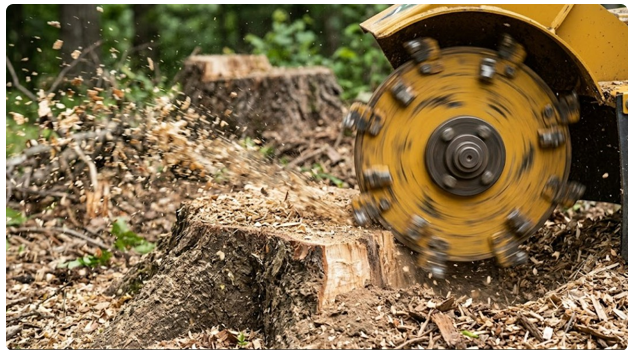
Stump grinding is an abrasive, high-impact operation that quickly exposes the limitations of low-grade cutting tools. When a grinding wheel drops into a tree stump, it must cut through wood, dense root systems, packed clay, rocks, and occasionally buried construction debris. To handle these brutal conditions, Vermeer stump grinders rely on specialized tool geometries and premium metallurgy to maintain high cutting speeds and minimize wear on the machine’s drive train.
The Dynamics of Stump Grinding Impacts
Unlike forestry mulchers that process material above ground, stump cutters work largely below the surface. This subterranean operation exposes the cutting teeth to constant abrasion from sand and stones. The mechanical stress profile of a stump grinder tooth involves:
- High-Frequency Radial Shock: Severe, repeated impacts as the tooth transitions between soft wood and hard rocks.
- Extreme Lateral Flexing: Lateral forces applied to the tool shank as the wheel sweeps across the stump.
GRINDING WHEEL
.-‘””`-.
,’ | `.
/ | \
| O-Hub |
\ | /
`. | ,’
`—|–‘
|
[ SHANK ] <— Dynamic Lateral Flex
|
[CARBIDE] <— Extreme Subterranean Abrasion
To prevent bending or snapping under these multi-directional forces, premium vermeer stump cutter teeth are forged from high-tensile spring steels (such as 4140 chromoly alloy). This alloy is heat-treated to provide excellent fatigue strength and elastic recovery, allowing the shank to absorb severe lateral impacts and spring back without breaking.
Advanced Carbide Grades for Earth-Contact Tools
The grade of tungsten carbide used in stump cutting must be specially formulated. It requires a higher percentage of cobalt binder (typically 10% to 12%) than standard metal-cutting carbide to increase its fracture toughness, allowing it to strike rocks without shattering while still providing excellent wear resistance.
Business
Forklift Parts in Garner, NC: Ensuring Reliable Performance, Safety, and Long-Term Equipment Efficiency
Introduction
Forklifts are essential machines in warehouses, manufacturing plants, construction sites, and distribution centers where heavy lifting and material handling are part of daily operations. Their performance directly affects productivity, workplace safety, and overall operational efficiency. However, like all industrial machines, forklifts rely on a wide range of mechanical, hydraulic, and electrical components that wear out over time. Maintaining these machines with high-quality replacement components is crucial to ensuring uninterrupted performance and preventing costly downtime. Access to reliable forklift parts in Garner, NC plays an important role in helping businesses keep their equipment running safely and efficiently over the long term.
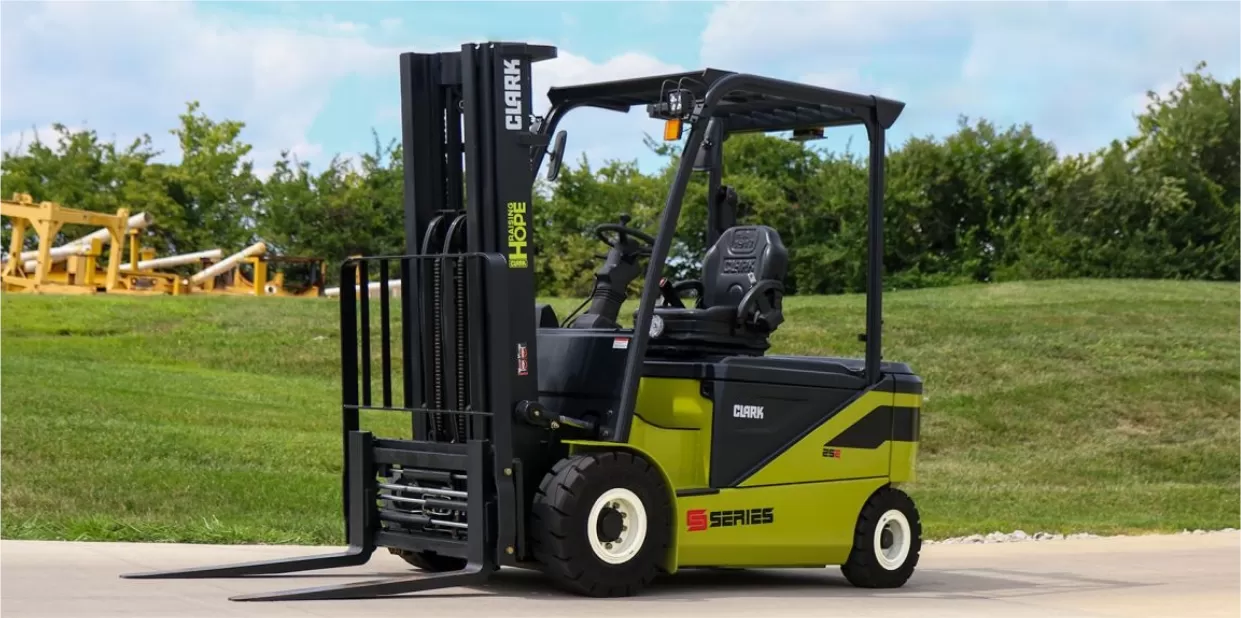
A forklift is not a single mechanical unit but a complex system made up of interconnected parts working together. These include the engine or battery system, hydraulic pumps, lifting mechanisms, brakes, steering components, mast assemblies, and safety systems. When even one of these parts begins to fail, the entire machine can become less efficient or unsafe to operate. Understanding how these components function and how they should be maintained is essential for businesses that rely on forklifts for daily operations.
Importance of Forklift Components in Industrial Operations
Forklifts are designed to handle heavy loads with precision and control, but this capability depends entirely on the condition of their internal components. Each system plays a specific role in ensuring safe and efficient operation. The hydraulic system provides the lifting force needed to raise and lower loads, while the engine or electric motor supplies the energy required for movement. Steering and braking systems ensure control and safety during operation.
When these systems are properly maintained with quality replacement parts, forklifts can operate at peak performance for many years. However, worn or damaged components can lead to reduced lifting capacity, slower response times, and increased safety risks. Regular maintenance and timely replacement of forklift parts in Garner, NC help ensure that equipment continues to perform efficiently under demanding conditions.
Common Forklift Parts That Require Regular Replacement
Forklifts are exposed to constant stress during operation, which means certain components naturally wear out faster than others. Tires are among the most frequently replaced parts, especially in environments with rough surfaces or heavy usage. Worn tires can affect stability, traction, and load balance, making them a critical safety concern.
Brake systems are another essential area that requires regular inspection and replacement. Brake pads, drums, and hydraulic brake components must remain in good condition to ensure safe stopping power. Any delay in braking response can pose serious risks in busy industrial environments.
Hydraulic systems, including seals, hoses, and pumps, are also subject to wear due to continuous pressure and fluid movement. Leaks or pressure loss in these systems can significantly reduce lifting efficiency. Filters, such as oil, air, and fuel filters, must also be replaced regularly to prevent contamination and maintain engine performance.
Mast components, chains, and forks are also critical parts that experience heavy stress during lifting operations. Cracks, bending, or wear in these components can lead to equipment failure if not addressed promptly. Reliable access to forklift parts in Garner, NC ensures that these essential components can be replaced quickly, minimizing downtime and maintaining operational safety.
Signs That Forklift Parts Need Attention
Recognizing early warning signs of component wear is essential for preventing costly breakdowns and accidents. One of the most common indicators is unusual noise during operation, such as grinding, squealing, or knocking sounds. These noises often signal mechanical issues that require immediate inspection.
Reduced lifting capacity is another sign that hydraulic or structural components may be failing. If a forklift struggles to lift loads it previously handled with ease, it may indicate pressure loss or worn mechanical parts. Fluid leaks around hydraulic systems or engine components are also clear signs of potential failure.
Difficulty in steering or braking suggests that critical safety systems may need attention. Uneven movement, vibration during operation, or delayed response times are additional warning signs that should not be ignored. Addressing these issues early with proper replacement of forklift parts in Garner, NC helps prevent major equipment failures and ensures safe operation.
Importance of High-Quality Replacement Parts
The quality of replacement parts plays a significant role in determining forklift performance and lifespan. High-quality components are designed to meet manufacturer specifications, ensuring proper fit, durability, and performance. Using inferior or incompatible parts can lead to frequent breakdowns, increased maintenance costs, and safety hazards.
Reliable parts improve equipment efficiency and reduce the likelihood of unexpected failures. They also ensure that forklifts operate smoothly under heavy workloads, which is essential in industrial environments where downtime can be costly. Investing in quality components is not just a maintenance decision but a long-term operational strategy that improves productivity and safety.
Role of Preventive Maintenance in Forklift Performance
Preventive maintenance is one of the most effective ways to extend the life of forklift equipment. Regular inspections help identify worn or damaged parts before they cause serious problems. Maintenance tasks include checking hydraulic systems for leaks, inspecting brakes and tires for wear, and ensuring that all mechanical connections are secure.
Lubrication of moving parts reduces friction and prevents premature wear, while regular filter replacement ensures clean operation of engines and hydraulic systems. Preventive maintenance schedules should be followed consistently to ensure optimal performance.
Access to dependable forklift parts in Garner, NC supports preventive maintenance efforts by ensuring that replacement components are readily available when needed. This helps businesses avoid delays and maintain continuous operations.
Professional Repair and Technical Support
While basic inspections can be performed internally, professional technicians play a critical role in diagnosing complex mechanical issues. Experienced technicians have the knowledge and tools required to identify hidden problems and ensure accurate repairs.
They also ensure that replacement parts are installed correctly and that the forklift is calibrated for optimal performance. Improper installation can lead to further damage or safety risks, making professional support essential for long-term reliability.
Operational Efficiency and Cost Benefits
Maintaining forklifts with high-quality components leads to improved operational efficiency and reduced costs. Well-maintained equipment operates more smoothly, consumes less energy, and experiences fewer breakdowns. This results in lower repair costs and increased productivity.
Businesses that invest in reliable forklift parts in Garner, NC benefit from reduced downtime and improved equipment lifespan. Over time, this leads to significant cost savings and more efficient operations.
Conclusion
Forklifts are vital tools in industrial and commercial environments, and their performance depends heavily on the condition of their components. Regular maintenance, timely replacement of worn parts, and access to reliable suppliers are essential for ensuring safety, efficiency, and long-term durability. Understanding the importance of high-quality components and professional servicing helps businesses maintain consistent operations and avoid unexpected breakdowns.With proper maintenance practices and dependable access to forklift parts in Garner, NC, businesses can ensure that their equipment remains safe, efficient, and reliable for years to come.

The Stunning Florida Resort Chosen By Wyndham, One of the World’s Biggest Hotel Brands: Why It’s the Perfect Family Disney Holiday

Why Chauffeur Car Hire in London Is the Smartest Way to Travel in 2026

Preserving Stories of Service: Why Military History Deserves to Be Remembered

How FastTurnPCBs Supports Cost-Effective PCB Manufacturing

How Small Fragrance Brands Are Challenging the Biggest Designer Names

4 Cost Factors That Affect Air Conditioner Installation Cost in Singapore for Split AC Units

Forklift Parts in Garner, NC: Ensuring Reliable Performance, Safety, and Long-Term Equipment Efficiency

Easiest Ways To Remove Tan For Men

Architecture of Community Magazine: How Collective Memory Shapes Cultural Identity in Modern Times

Vinyl Wrap vs Traditional Refinishing: Which Is Better for Furniture Makeovers?
4 Cost Factors That Affect Air Conditioner Installation Cost in Singapore for Split AC Units
Forklift Parts in Garner, NC: Ensuring Reliable Performance, Safety, and Long-Term Equipment Efficiency
Easiest Ways To Remove Tan For Men
Architecture of Community Magazine: How Collective Memory Shapes Cultural Identity in Modern Times
Vinyl Wrap vs Traditional Refinishing: Which Is Better for Furniture Makeovers?

The Stunning Florida Resort Chosen By Wyndham, One of the World’s Biggest Hotel Brands: Why It’s the Perfect Family Disney Holiday
Magic Moment Resort & Kids Club is a favorite Florida destination for UK families for two primary reasons. Unlike resorts...

Why Chauffeur Car Hire in London Is the Smartest Way to Travel in 2026
London in 2026 is busier, bigger, and more demanding than ever. Between expanding ULEZ zones, unpredictable Tube delays, and traffic...

Preserving Stories of Service: Why Military History Deserves to Be Remembered
History is more than a collection of dates and events. It is the story of people who demonstrated courage, resilience,...
How FastTurnPCBs Supports Cost-Effective PCB Manufacturing
Printed circuit boards (PCBs) are the foundation of nearly every modern electronic device. From smartphones and medical equipment to industrial...

How Small Fragrance Brands Are Challenging the Biggest Designer Names
Introduction A few years ago, buying perfume often meant choosing from the same well-known designer brands found in department stores....


Your Lawn Can Be Lush—Without Harming the Planet
Most homeowners want a thick, green yard. What they don’t always want is the trail of chemical runoff, wasted water,...


How Interior Painting Improves Your Home’s Appearance and Value
Introduction. Why Interior Painting Is More Than a Cosmetic Upgrade Your home’s interior says a lot about how well it...


Healthy Lifestyle Exercise Guide for Women: How Move More Age Better Build Strength and Feel Extraordinary 2026
Why Exercise Is Non-Negotiable for Women’s Long-Term Health and Radiance Exercise is not simply a tool for weight management ,...


Garment Quality Control Checklist: The Important Role of Sewing Threads
Top few things that come to mind when we talk about the quality of garments are the fabric, the design,...

How Apparel Manufacturers Can Improve Productivity Through Thread Optimization
Apparel manufacturers can really improve how well they make clothes by paying attention to the thread they use. When people...
-

 Tech3 months ago
What is Spaietacle? Inside the New Era of Interactive Digital Platforms
-

 Food3 months ago
Crocolini Explained What Is Crocolini Vegetable Toy and More
-
 Entertainment3 months ago
¿Es ENGWE una Buena Marca de Bicicletas Eléctricas? Análisis Real en España
-

 Celebrity9 months ago
Shaun Holguin: Jodie Sweetin’s First Husband and a Life Outside the Spotlight
-

 News9 months ago
Who is Taimi Li? Everything About Jet Li’s Daughter
-

 Celebrity8 months ago
Meet Billie Early — Everything About Cameron Diaz’s Mother,
-

 Celebrity8 months ago
Who is Michael Ciminella? Everything You Need to Know About Ashley Judd’s Father
-

 Celebrity9 months ago
Maureen E. McPhilmy – Biography of Bill O’Reilly’s Ex-Wife Life After Divorce