
Travel
Inside Singapore Airlines Premium Economy: Comfort, Service & Real Experience

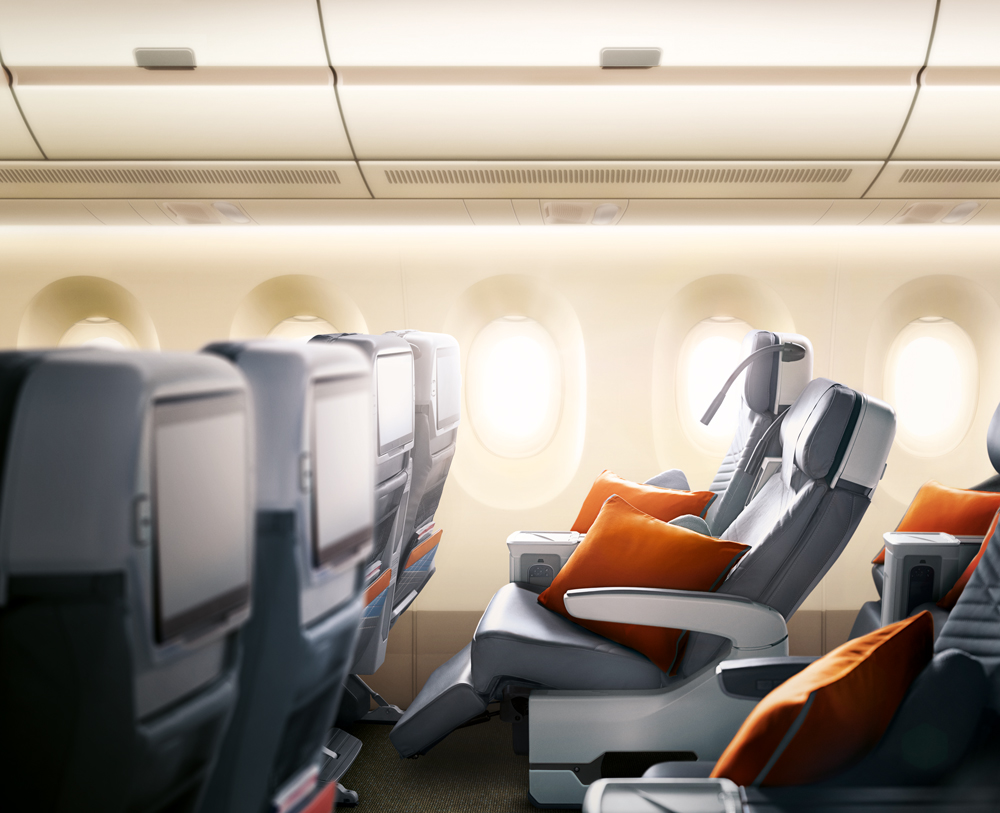
Air travel has become a highly personalized experience, and Singapore Airlines premium economy is one of the most carefully-crafted cabins in the aviation sector. It is located between the economy and the business class, providing its clients with a moderate level of comfort, service quality, and cost-effectiveness to travel long distances.
In my experience of seeing airline cabin products, and reading passenger reviews on a variety of routes, such a cabin is sometimes referred to as a quiet upgrade, as opposed to a radical change. But that is the very slight improvement that makes it so useful to frequent international fliers.
Cabin Design and First Impressions
As one steps into Singapore Airlines premium economy, the initial difference that is felt is the feeling of space. The layout of the cabin is not as dense as economy and this instantly produces a more relaxed ambiance. The seats are spaced in such a way to provide a greater level of personal space and the overall design of the airplane is based on understated elegance that Singapore Airlines insists upon.
The light is less intense, the color scheme is more neutral, and the materials of the seats are more sophisticated. Combination of this can minimize the travel stress particularly on long and distant flights where the cabin environment contributes significantly to the comfort of the passengers.
This cabin does not make passengers feel crowded as compared to the normal economy sections, thus offering them privacy despite them sharing the same space.
Seating Comfort and In-Flight Rest
Seating is another good attribute of Singapore Airlines premium economy. The seats are broader, have superior lumbar support and have a higher recline than the regular economy cabins.
This difference is more prominent on long international flights after the few hours in the air. Numerous passengers claim that they experience less back pain and have a better quality of rest because of the changes in the ergonomics.
Such considerations as adjustable headrests, protruded leg rest, and better cushions are thoughtful additions to the comfort of the seats. Although it is not equal to the fully flat beds in the business class, it presents a considerable improvement which makes overnight traveling a bit easier.
This cabin is particularly useful in long-haul flights (more than six hours) when any small comfort enhancements make a significant difference in the overall experience of the trip.
In Flight Dining and Service Standards
The quality of food available in Singapore Airlines Premium Economy reflects the airline’s reputation for premium dining. Meals are presented elegantly with greater attention to detail than in economy class. Menus typically feature international flavors, yet remain consistent across long-haul routes.
The food service offered to the passengers is usually more paced with minimal delays and better presentation. Beverage choices are expanded, and the overall dining experience feels more relaxed than in economy.
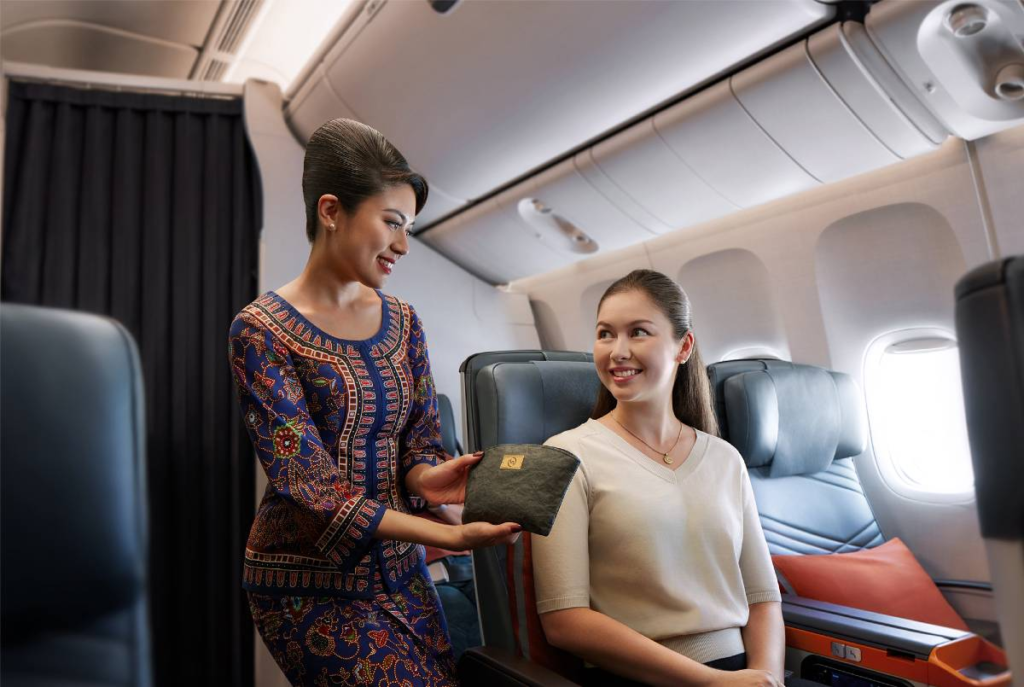
Another highlight is the cabin crew service. Attendants provide more responsive, attentive service due to a lower passenger-to-crew ratio than in economy class. This helps in delivering premium comfort without business class pricing.
Entertainment and Onboard Convenience
Entertainment systems in Singapore Airlines Premium Economy cater to passengers on extended flights. The bigger screens and better audio quality enhance the viewing experience, while expanded movie, TV and music selections cater to varied passenger preferences of various travelers.
There are also more convenient power outlets and charging options, which is crucial to business travelers or other people who work during the flight. This is a minor yet significant thing that can be used to keep up with productivity even when traveling abroad.
The space around the seat is also slightly enhanced and passengers can easily reach personal items without having to feel confined.
Real Passenger Experience on Long-Haul Routes
According to the consolidated traveler reviews and subjective experiences, Singapore Airlines premium economy can consistently provide a consistent mid-range experience. There is no direct competition with business class, but it is intended to be a significant enhancement of the economy, worth its price.
Three overarching advantages that passengers constitute are comfort, consistency, and fatigue reduction. These benefits are even greater on long distance flights between Asia, Europe, and North America.
Frequent flyers are also pleased with the predictability of the experience. Compared to other airlines, in which premium economy can differ greatly by aircraft, Singapore Airlines has a fairly standardized premium economy throughout its fleet.
Booking Experience and Travel Planning
Modern travel platforms and corporate booking systems have made booking Singapore Airlines premium economy easier. Tools like Trip.Biz support designed travel planning for business travelers, which assists an organization in controlling costs and at the same time providing an upgraded cabin option where necessary.
These channels also enable the travelers to compare fare classes better so that the decision to upgrade is made based on the length of the route, purpose of traveling and on the basis of budget. Premium economy has become a more strategic option and no longer an emotional upgrade.
Who Benefits Most from This Cabin Class
This cabin targets travelers who prioritize comfort without requiring full business class luxury. It appeals to long-haul leisure passengers, cost-conscious business travelers, and those seeking relief from prolonged seated travel.
On short-haul flights, the difference is marginal, but on long-haul routes the value becomes far more apparent. Enhanced seating, superior service, and reduced fatigue make it a compelling option for today’s travel demands.
Conclusion
Singapore airlines premium economy is a reasonably priced, comfortable and mid-tier travel option. It improves long-distance traveling with improved seating, service and a more relaxed cabin ambiance, without leveling into the expensive price of business class.
This cabin offers a high-quality, reliable option for today’s traveler who seeks value without sacrificing comfort. For both business and leisure travelers, it delivers a smoother, more comfortable journey on long-haul international routes.
FAQS
What is special about Singapore Airlines premium economy compared to economy class?
It offers more space, better seating comfort, improved meal service, and a quieter cabin environment. These enhancements create a noticeably better experience on long-haul flights.
Is Singapore Airlines’ premium economy good for sleeping during flights?
Yes, it is more suitable for rest compared to economy class due to increased seat recline and better ergonomic support. While it does not fully lie flat, it helps reduce discomfort during overnight travel.
How does service quality compare in Singapore Airlines premium economy?
Service is more attentive than economy due to a lower passenger-to-crew ratio. Cabin crew can provide quicker assistance and more personalized service during the flight.
Is it worth upgrading to Singapore Airlines premium economy for long flights?
For flights over eight hours, many travelers find the upgrade worthwhile because of improved comfort and reduced fatigue. It is especially valuable for frequent or business travelers.


Stepping away from city lights and crowded routines, camping invites a reconnection with nature and an escape from daily stress. Whether nestled in cabins, setting up tents, or exploring rv camping options, this timeless pursuit remains popular among those seeking both adventure and relaxation. This guide highlights the essentials for a memorable stay at campgrounds, offers practical advice on camping reservations, and explores what makes state parks and national parks so appealing as getaway destinations.
Choosing the perfect campground
The adventure truly begins by selecting the right destination. Not all campgrounds offer the same experiences. Some provide full amenities, while others focus on a more rustic retreat. Personal preferences are key: quiet woods, lakeside views, or sites near popular hiking trails each bring something unique to the camping experience.
Popular choices range from local state parks filled with family-friendly features to expansive national parks known for breathtaking scenery. Researching nearby campgrounds and reading recent reviews helps establish realistic expectations and uncovers hidden gems suitable for solo trips, couples getaways, or group adventures. For couples seeking a romantic escape, https://www.campdudomaine.com/en/the-campsite/5-star-campsite/as-a-couple/ offers inspiration for memorable stays.
Types of camping accommodations
Deciding where to stay sets the tone for the entire trip. Travelers can choose from classic tent sites, cozy cabins, or embrace modern conveniences like RV camping. The diversity available allows everyone to tailor their getaway based on desired comfort and adventure levels.
Staying in cabins: comfort meets nature
Cabins offer a comfortable option for guests who love the outdoors but prefer sleeping under a solid roof. This choice protects from unpredictable weather while maintaining the authentic spirit of camping. Many campgrounds now feature upgraded cabin models with heating, kitchens, and private bathrooms.
Opting for a cabin often means less packing and a smoother arrival. There is freedom to bring personal comforts without concern for complex gear or exposure to the elements. Couples especially appreciate this balance between wilderness and luxury during their escape.
RV camping and tent sites: versatility and tradition
RV camping appeals to those who enjoy road trips blended with home comforts. Equipped vehicles turn any campground into a personalized space, with beds, cooking facilities, and storage. Dedicated RV sites typically include electricity, water hookups, and dumping stations.
Tent camping sites deliver the most traditional outdoor experience. While it requires extra effort, the reward is simplicity and proximity to nature. Most campgrounds have designated areas for tents, often surrounded by beautiful landscapes or shaded beneath tall trees.
Planning: smart camping reservations
Securing coveted spots starts with early camping reservations, especially during peak seasons. Many campgrounds now use online booking systems, which streamline the process and offer details on site size, utilities, and available facilities. Early planning allows travelers to select campsites best suited to individual needs and guarantees access to preferred amenities.
Becoming a member of campground associations unlocks benefits such as discounted rates, priority bookings, and organized activities. These networks help enthusiasts discover new locations and foster a sense of community through shared tips and resources for successful outings.
Must-have camping essentials and gear
A relaxing journey depends on bringing the right camping essentials. Proper preparation reduces stress and enhances enjoyment throughout the trip. Common essentials include:
- weather-appropriate clothing for any season,
- reliable tent or shelter (for non-cabin stays),
- campsite cooking tools and portable stove,
- sleeping bag and comfortable pad or air mattress,
- headlamp or flashlight with spare batteries,
- basic first-aid kit,
- and reusable water bottles or hydration packs.
Packing efficiently ensures nothing important is forgotten and minimizes last-minute purchases. For those visiting remote state parks or unserviced national parks, self-reliance becomes crucial to a smooth experience.
Investing in quality camping gear improves safety and raises comfort levels, whether traveling alone or with loved ones. Checklists inspired by experienced campers often reveal lifesaving insights for both newcomers and seasoned explorers.
Finding inspiration in every outdoor escape
Each camping trip brings fresh stories and perspectives. Watching sunrise over treetops or sharing laughter around a campfire creates memories that linger. Exploring unfamiliar trails in national parks or taking moments beside tranquil lakes recharges body and mind alike.
With thoughtful planning, the right camping gear, and carefully chosen destinations, every escape promises discoveries. Time spent outdoors fosters connections with nature, travel companions, or oneself that continue to enrich life long after returning home.

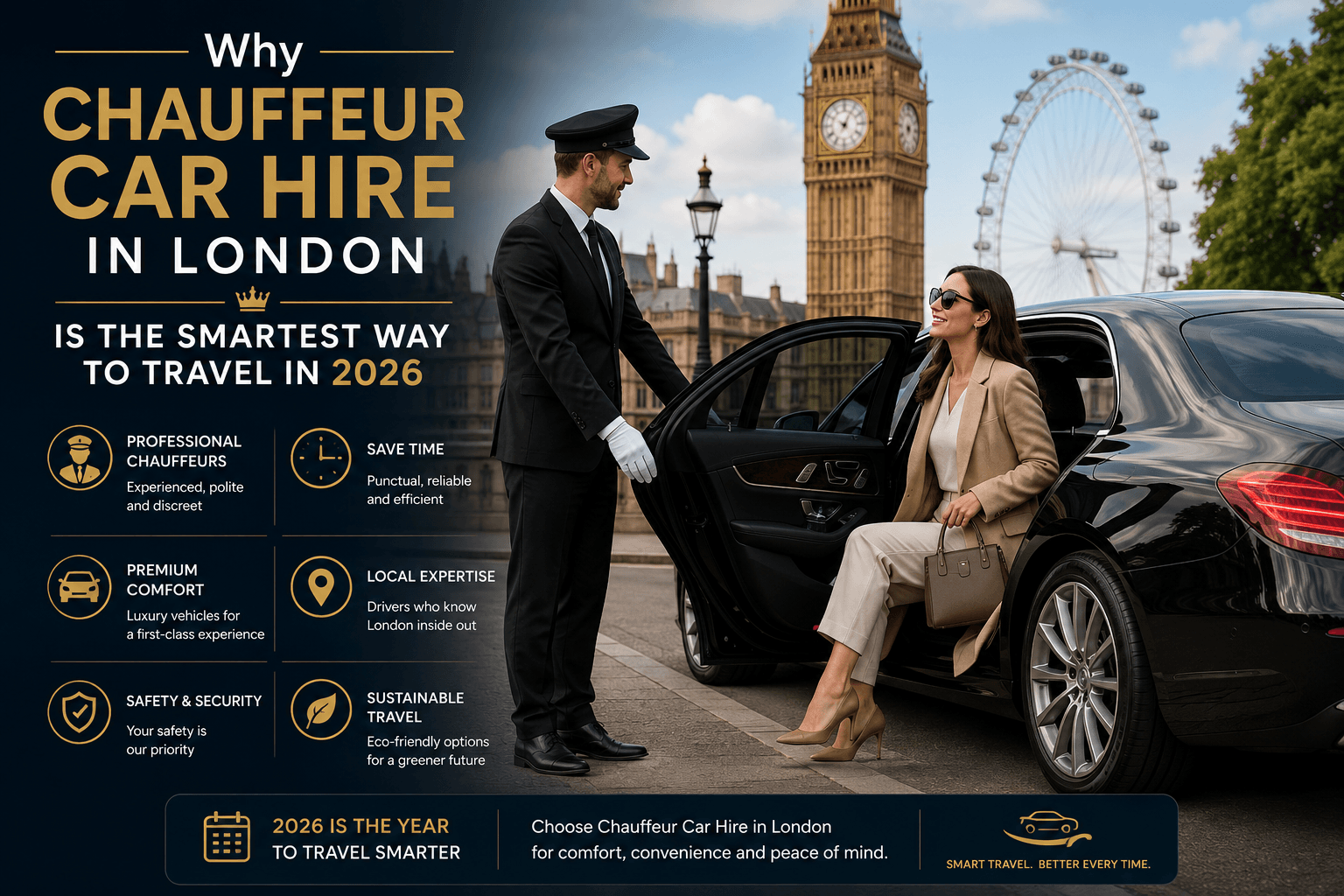
London in 2026 is busier, bigger, and more demanding than ever. Between expanding ULEZ zones, unpredictable Tube delays, and traffic that never seems to ease, getting from A to B has become a daily challenge for residents, business travellers, and visitors alike. That’s exactly why chauffeur car hire in London has moved from being a luxury reserved for the elite to a smart, practical choice for anyone who values their time, comfort, and safety.
At Smart Chauffeurs, we’ve seen this shift first-hand. More professionals, families, and event organisers are choosing a private chauffeur service over taxis, rideshare apps, and self-driving through the city. In this post, we break down exactly why chauffeur hire is the smartest way to travel around London in 2026 — and how to choose the right chauffeur company for your needs.
1. London Traffic in 2026 Makes Self-Driving a Losing Game
Driving yourself in central London is no longer just stressful — it’s expensive and inefficient. The Congestion Charge, ULEZ fees, and limited parking mean private car ownership in the city comes with constant hidden costs. A professional chauffeur service removes all of that friction.
• No searching for parking or paying costly parking fines
• No congestion charge or ULEZ compliance headaches — that’s on us
• Local chauffeurs who know the fastest live routes, not just what a GPS says
• More predictable journey times, even during rush hour or roadworks
2. Time Is Still the Most Valuable Currency
Whether you’re a business executive rushing between meetings, a family heading to Heathrow, or a visitor with a packed itinerary, time saved is time gained. A chauffeur-driven car allows you to work, rest, or simply relax instead of focusing on the road.
With a private chauffeur, your journey becomes productive time rather than dead time. Many of our corporate clients use their journey to take calls, respond to emails, or prepare for meetings — arriving ready to perform, not recovering from a stressful commute.
3. Chauffeur Hire vs Taxis and Rideshare Apps
It’s a fair question: why choose chauffeur car hire over an Uber or a black cab? The answer comes down to consistency, professionalism, and control.
• Fixed, transparent pricing — no surge pricing during peak hours or bad weather
• Pre-booked, guaranteed vehicles instead of waiting for driver availability
• Professionally vetted, uniformed, and experienced chauffeurs
• Premium, well-maintained vehicles — not a random car of unknown standard
• Consistent service quality every single time you travel
For business travel, airport transfers, and special occasions, this reliability makes all the difference.
4. First Impressions Matter — Especially in Business
Arriving at a client meeting, investor pitch, or corporate event in a chauffeur-driven executive car sends a clear message: you value professionalism and attention to detail. It’s a small detail that reflects directly on your brand and reputation.
Corporate chauffeur hire in London is increasingly used by businesses to impress clients, transport VIPs, and support executive travel — because how you arrive is often remembered as much as what you say once you’re there.
5. Airport Transfers Without the Stress
Heathrow, Gatwick, London City, Stansted, and Luton airports all bring their own traffic patterns and timing challenges. A dedicated airport chauffeur service tracks your flight in real time, adjusts for delays, and ensures your driver is waiting when you land — no frantic calls, no uncertainty.
• Real-time flight tracking for accurate pickup timing
• Meet-and-greet service inside arrivals
• Help with luggage and a smooth, unhurried transfer into the city
6. A Safer Way to Travel
Safety has become a bigger priority for travellers in 2026, particularly for late-night journeys, solo travellers, and families. Licensed chauffeur companies carry out background checks, vehicle inspections, and driver training that go well beyond standard rideshare requirements.
With Smart Chauffeurs, every driver is fully licensed and insured, every vehicle is regularly inspected, and every journey is tracked — giving you complete peace of mind from pickup to drop-off.
7. Perfect for Weddings, Events, and Special Occasions
Wedding car hire and event chauffeur services remain some of the most popular reasons Londoners book a private chauffeur. A beautifully presented vehicle and a professional driver add a layer of elegance that ride-hailing apps simply cannot match.
• Wedding car hire with decorated, premium vehicles
• Group transport for corporate events and conferences
• Red carpet arrivals for galas, award nights, and premieres
• Reliable transport for prom nights and milestone celebrations
8. Sustainability Is Now Part of the Conversation
As London pushes further towards low-emission and net-zero targets, more chauffeur companies — including Smart Chauffeurs — are expanding their hybrid and electric vehicle fleets. Choosing a modern chauffeur service means you can travel in comfort while also reducing your environmental footprint, all without compromising on the smooth, quiet ride you expect from a premium vehicle.
9. Technology Has Made Booking Effortless
Chauffeur hire in 2026 isn’t just about the car — it’s about the entire experience. Simple online booking, instant quotes, live driver tracking, and flexible payment options have made reserving a chauffeur as easy as booking a hotel room. At Smart Chauffeurs, clients can book in minutes, adjust plans on the go, and stay updated on their driver’s arrival in real time.
10. Why Choose Smart Chauffeurs
Smart Chauffeurs was built around one goal: making premium travel around London simple, reliable, and stress-free. Whether you need a one-off airport transfer, daily corporate travel, or a fleet of cars for a wedding, our team delivers a consistent, professional experience every time.
• A modern fleet of executive, luxury, and hybrid/electric vehicles
• Experienced, professionally trained London chauffeurs
• Transparent, fixed pricing with no hidden fees
• 24/7 availability for airport transfers, corporate travel, and events
• Easy online booking and real-time journey tracking
Final Thoughts
Travelling around London in 2026 doesn’t have to mean sitting in traffic, hunting for parking, or gambling on a rideshare driver’s rating. Chauffeur car hire offers a smarter, safer, and more comfortable alternative — one built around your time, your schedule, and your standards.
Whether it’s a business trip, an airport run, a wedding, or simply a more comfortable way to get across the city, Smart Chauffeurs is here to make every journey effortless.
Ready to travel smarter?
Book your chauffeur car hire in London with Smart Chauffeurs today and experience the difference of truly professional, premium travel.


Planning a European adventure is exciting. From historic cities and world-famous landmarks to breathtaking coastlines and mountain landscapes, Europe offers endless opportunities for exploration. However, one thing that can quickly turn a smooth trip into a frustrating experience is losing access to mobile data when you need it most.
That is one reason why more travelers are choosing an eSIM for Europe travel before they even leave home.
1. Arrive Connected From the First Minute
After a long flight, most travelers immediately reach for their phones. They need directions, transportation information, hotel details, or a way to contact family and friends.
Without mobile data, even simple tasks can become difficult.
An eSIM allows travelers to activate their plan before departure so they can connect as soon as they arrive. There is no need to search for local SIM card vendors or spend valuable vacation time setting up connectivity.
2. Keep Your Original SIM Card Active
Many people prefer not to remove their regular SIM card while traveling.
Doing so can mean losing access to important calls, messages, or verification codes from banks and online services.
With eSIM technology, travelers can often keep their primary number active while using mobile data abroad, creating a more convenient and flexible experience.
3. Make Multi-Country Travel Simpler
Europe is one of the few regions where travelers can easily visit several countries during a single trip.
A vacation could include Italy, France, Germany, Austria, and the Netherlands all within a couple of weeks.
Managing different mobile plans for every destination can quickly become inconvenient. A reliable eSIM for Europe travel allows travelers to move between countries while maintaining internet access throughout the journey.
4. Find Hidden Gems Along the Way
Some of the best travel experiences are unplanned.
A recommendation from a local resident, a highly rated restaurant tucked away in a side street, or a scenic viewpoint discovered through an online map can often become the highlight of an entire trip.
Reliable internet access makes it easier to discover these opportunities as they arise.
Travelers can search for attractions, read reviews, and adjust their plans in real time.
5. Avoid Depending on Public Wi-Fi
Free Wi-Fi is available in many hotels, cafes, and airports, but it is not always reliable.
Connections can be slow, crowded, or unavailable exactly when you need them.
Having your own mobile data connection provides greater freedom and flexibility. You can access important information whenever you need it instead of searching for the next available Wi-Fi network.
6. Ideal for Sharing Travel Memories
Modern travel is highly connected.
Many travelers enjoy sharing photos, videos, and updates with family and friends while exploring new destinations.
Whether posting stunning landscapes, documenting cultural experiences, or simply sending a quick message home, mobile data helps travelers stay connected to the people who matter most.
7. Useful for Both Leisure and Business Travel
Not every trip is purely for vacation.
Business travelers often need constant access to email, cloud services, messaging platforms, and virtual meetings. Digital nomads may depend on internet access throughout the day to manage projects and communicate with clients.
Having dependable connectivity helps ensure that work responsibilities can be handled efficiently while still enjoying the travel experience.
A Small Travel Upgrade That Makes a Big Difference
Many travel upgrades focus on comfort—better seats, upgraded hotels, or faster transportation. However, one of the most practical upgrades a traveler can make is ensuring reliable internet access throughout the trip.
An eSIM for Europe travel helps eliminate common connectivity challenges, making it easier to navigate, communicate, work, and explore. Instead of worrying about mobile coverage or expensive roaming fees, travelers can focus on discovering new places, creating memorable experiences, and making the most of every moment in Europe.

Spanish Vocabulary Guide: How the Word Viejo Changes Meaning Across Contexts

Expanding Your Vocabulary: A Guide to Describing the World with “U” Adjectives

The Easy Way to Understand Composite Bonding Newcastle

Dental Implants Middlesbrough 7 Things That Happen Inside Your Jaw After Placement

Discovering the joys of camping: comfort, adventure, and connection

Spanish Vocabulary Guide: How the Word Viejo Changes Meaning Across Contexts
Spanish is a vibrant language where a single word can express a literal fact, a warm emotion, or casual street...

Expanding Your Vocabulary: A Guide to Describing the World with “U” Adjectives
Whether you are crafting a captivating blog post, writing a novel, or simply trying to express yourself more clearly in...

The Easy Way to Understand Composite Bonding Newcastle
Composite bonding has become one of the most popular cosmetic dental treatments in the UK, offering a simple yet effective...

Dental Implants Middlesbrough 7 Things That Happen Inside Your Jaw After Placement
Dental implants have transformed the way people restore missing teeth, offering a stable and long-lasting solution. For those considering Dental...

Discovering the joys of camping: comfort, adventure, and connection
Stepping away from city lights and crowded routines, camping invites a reconnection with nature and an escape from daily stress....


The Trimmer Edit: What Different Price Ranges Actually Get You
The trimmer aisle has officially entered its gadget era. One model looks like lipstick, another comes with six attachments, and...


Common Automatic Watch Mistakes That Are Slowly Damaging Your Timepiece
An automatic watch is a small, self-contained machine. Every rotor spin, every jewel bearing, every tiny spring inside it is...


Who is Dan M. Jones? Untold Story of the SEO Expert and Entrepreneur
Dan M. Jones is a British entrepreneur, leading SEO consultant, author and public speaker best known as the founder of...


Premium vs Budget Kilts: Which One Is Right for You?
Choosing the right Scottish kilt is about more than finding a design you like. One of the biggest decisions you’ll...

Driving fence posts with a hydraulic post driver instead of digging every hole by hand
Across a Canadian summer, ranchers race the short season to string new fence before the ground hardens and the work...
-

 Tech6 months ago
What is Spaietacle? Inside the New Era of Interactive Digital Platforms
-

 Food6 months ago
Crocolini Explained What Is Crocolini Vegetable Toy and More
-

 Home Improvement4 months ago
4 Cost Factors That Affect Air Conditioner Installation Cost in Singapore for Split AC Units
-
 Entertainment6 months ago
¿Es ENGWE una Buena Marca de Bicicletas Eléctricas? Análisis Real en España
-

 Celebrity12 months ago
Meet Billie Early — Everything About Cameron Diaz’s Mother,
-

 Celebrity1 year ago
Shaun Holguin: Jodie Sweetin’s First Husband and a Life Outside the Spotlight
-

 News12 months ago
Who is Taimi Li? Everything About Jet Li’s Daughter
-

 Celebrity12 months ago
Meet Corrie Bird – Larry Bird’s Daughter Carving Her Own Path