
Blog
How Apparel Manufacturers Can Improve Productivity Through Thread Optimization

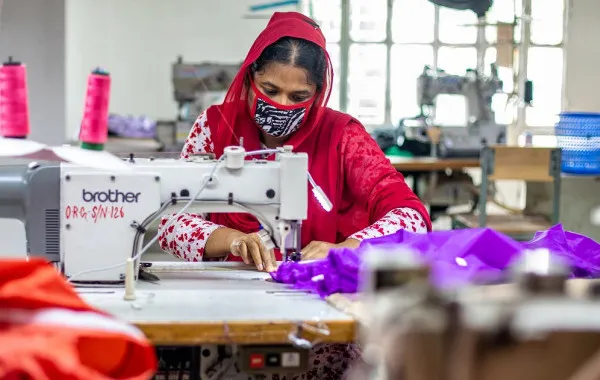
Apparel manufacturers can really improve how well they make clothes by paying attention to the thread they use.
When people make clothes they usually think about the fabric, the machines, the workers and how they plan to make the clothes.
These things are very important. There is a small thing that people do not pay enough attention to and that is the thread.
The thread may look like a thing but it has a big effect on the quality of the clothes how well the machines work how fast they can make the clothes and how well the whole factory works.
A bad thread can cause a lot of problems when sewing.
On the hand the right thread can help the production go smoothly and reduce delays.
This is where optimizing the thread becomes important.
Optimizing the thread means choosing the thread for the specific clothes you are making and the way you are making them.
It is not about choosing a strong thread.
You also need to choose the size, type, color and quality of the thread and you need to set up your sewing machine correctly.
When you get all these things right you can make clothes faster and more efficiently.
The thread (para-aramide thread) is very important in the production of clothes.
Every piece of clothing goes through sewing steps.
Thousands of stitches are made every day in a factory.
If the thread is not good the people sewing will have problems all the time.
One thread breaking may seem like a thing.
When it happens many times a day you lose a lot of time.
The machines stop often.
You make clothes.
It costs money.
This is why the thread has an effect on how productive you are.
One of the things about optimizing the thread is that it breaks less often.
When the thread breaks a lot it is frustrating for the people sewing.
They have to stop the machine put the thread in and start sewing again.
All this takes time.
A good thread that is strong helps reduce breakage when sewing.
So the people sewing can work all the time without stopping
This means they can make clothes every day.
The thread also affects how well the machines work.
Modern sewing machines are made to sew fast.
How well they work depends on the thread.
A bad thread can cause problems like lint, friction and tension.
These problems can affect how well the machine works.
The right thread helps the machines sew smoothly.
It reduces the times the machines stop.
You may also need to fix the machines often.
When the machines work well the whole factory works better.
Optimizing the thread also reduces the need to fix mistakes.
Fixing mistakes is one of the hidden costs of making clothes.
When the seams are bad the clothes need to be fixed before they are sent to the stores.
This takes time and money.
A bad thread can cause problems like seams breaking stitches coming loose and seams looking bad.
Using the right thread (fire-retardant sewing thread) reduces these problems.
Fewer mistakes mean time fixing them.
The workers can focus on making clothes of fixing them.
The thread also affects the quality of the seams.
Strong seams are important for the clothes to last long.
Customers expect the clothes to be good and last long.
If the seams break easily customers will complain.
Optimizing the thread helps make more reliable seams.
Better seams mean the clothes work better and customers are happier.
It also reduces the number of clothes that are rejected because of quality.
Wasting thread may seem like a thing when you are making one piece of clothing.
When you are making many clothes it adds up.
A bad thread can increase waste because it breaks often and causes sewing problems.
Using the thread reduces waste and saves money.
Even small savings can make a difference when you are making many clothes.
To choose the thread you need to think about the type of clothes you are making.
Different clothes need threads.
There is no one thread that’s perfect for all clothes.
For example you use polyester thread for clothes.
You use threads for heavy clothes.
Clothes that stretch need threads that can stretch too.
Some special clothes need threads.
Choosing the thread for the clothes you are making improves the sewing and keeps the quality consistent.
The thread and the fabric should work together.
A strong thread on a fabric can cause problems.
A weak thread on a fabric may not work well either.
Before you start making clothes you should test the thread with the fabric.
This simple step can prevent sewing problems later.
When the thread and fabric work together the sewing goes faster and the clothes are better.
The people sewing also need to know how to use the thread
Even the best thread will not work well if it is used incorrectly.
The workers should know how to put the thread in the machine how to adjust the tension how to store the thread and how to fix problems.
Simple training can improve the sewing. Reduce problems.
You should also check how well the thread is working all the time.
Optimizing the thread is a recurring practise.
You must keep noticing the patterns by checking how the thread breaks, how often the machines stop, how many mistakes you need to fix and how good the seams are.
Checking these things helps you find problems early and make the production better all the time.
When you optimize the thread you can get benefits.
Some of these benefits are:
- Making clothes
- The machines stopping often
- Better seams
- Fewer mistakes
- Time fixing mistakes
- Less waste
- Happier customers
- Better control of costs
All these benefits together make the factory work better.
- In conclusion the thread may be a thing but it has a big effect on how well you make clothes.
The right thread can help reduce the times the machines stop improve the seams reduce mistakes and make the production faster.
For people who make clothes optimizing the thread is a way to improve production without spending a lot of money.
By choosing the threads matching them with the fabrics training the workers and checking the thread all the time factories can work better and make better clothes.
Small improvements in how you use the thread can make a difference, in the whole production process.
Blog
The Stunning Florida Resort Chosen By Wyndham, One of the World’s Biggest Hotel Brands: Why It’s the Perfect Family Disney Holiday


Magic Moment Resort & Kids Club is a favorite Florida destination for UK families for two primary reasons. Unlike resorts in the Disney bubble, this location offers family-friendly pricing. And unlike the area’s anonymous chain hotels, Magic Moment actually becomes part of the story families retell for years.
This family boutique hotel began 10 years ago with a founder’s heartfelt vision. A decade later, it maintains that warmth and stands ready to pioneer a new global brand story with one of the largest hotel companies in the world.
Carina Radonich: The woman founder behind Magic Moment Resort now pioneers Wyndham’s global Dazzler Select brand
Carina Radonich is a self-made female entrepreneur who turned a vision into one of Orlando’s most prominent family-focused hotels. After traveling as a mother with her young children, she left a successful career in luxury real estate and architecture to build her own location where every moment matters. The concept centers on the idea of helping families enjoy warm moments together and turn a holiday into a collection of memories that last.
Exactly one decade later, the impact of that enduring vision showed up at the resort’s 10th-anniversary red-carpet gala. In addition to the Argentine Consul General, other notable guests attended the celebration in person. Even Geoff Ballotti, President & CEO of Wyndham Hotels & Resorts, sent a congratulatory video to all guests.
Ballotti’s speech honored Radonich for pioneering the world’s first Dazzler Select by Wyndham property and for her recent invitation to the Wyndham Rewards Advisory Committee, saying, “Carina and Ariel have surrounded themselves with an amazing team… I couldn’t be prouder to launch Dazzler by Wyndham with people who have a gift for spreading the light and warmth of hospitality to all their guests.”
The glamorous evening featured Argentine tango and fireworks. And with Radonich’s 55th birthday coinciding with the gala, guests found her visibly moved during the milestone celebration.
What the Magic Moment boutique guest experience means for UK families
UK families travel to Florida for the once-in-a-lifetime feeling that accompanies the iconic photos they bring home and the stories their children will repeat for years. Radonich designed Magic Moment to support that dream, while also making it feel more manageable.
For families arriving after a long-haul flight, the resort delivers an immediate start to the holiday. Themed rooms create an immersive space that instantly lifts the mood and sets the tone for the trip.
From there, Magic Moment positions itself as far more than a base for park days. Its on-site programming includes bubble parties, foam parties, magic shows, and character encounters. Kids Club activities and pool time keep the excitement going even on non-park afternoons and evenings.
For UK parents in particular, convenience is a major part of the appeal. Located only 10 minutes from Orlando’s major attractions and theme parks, the resort’s complimentary shuttle to Disney and other parks greatly reduces the stress and cost that accompany trips to Florida. Families are free to enjoy the moment without worries over hiring a car, driving unfamiliar roads, or daily parking arrangements.
Every amenity and decision behind the resort’s design is meant to create shared moments and “remember when” stories. These moments of connection happen all day long. In the morning, families connect at the complimentary buffet breakfast and on the shuttle ride to the park. During the evening wind-down, they happen in the resort’s play areas and heated pool. In the Grand Salon event space, which hosts up to 140 guests, families can even share larger moments of celebration such as birthdays or reunions.
“What makes me most proud is not only the hotel itself,” Radonich says. “It’s the families who return year after year and allow us to become part of their happiest memories.”
Wyndham Rewards for the Daily Celebs reader
As the first Dazzler Select by Wyndham property in the world, Magic Moment is now connected to Wyndham’s Global Loyalty Program, offering an added advantage to international guests. UK visitors can now earn Wyndham Rewards while staying at Magic Moment.
Wyndham Rewards is free to join and allows members to earn points on every eligible stay at Wyndham’s global family of brands. Those points can be redeemed for free or discounted nights across thousands of hotels in 95 countries worldwide. Perks and member-only rates help families stretch their holiday budgets further while keeping travel plans flexible.
Radonich joins a small group of leading franchise owners on the Wyndham Rewards Advisory Committee. Together, they shape how the loyalty experience will evolve.
Booking a stay at this boutique hotel with big dreams offers something a growing number of UK families want. As Carina Radonich intended, they experience the joy of Orlando with less overwhelm and more of the moments that matter.


History is more than a collection of dates and events. It is the story of people who demonstrated courage, resilience, and dedication during some of the most challenging moments in history. Military writers, historians, journalists, and veterans all play an essential role in documenting these experiences, ensuring that future generations understand the sacrifices made in the service of their country.
Every military deployment, humanitarian mission, and training exercise contributes to a larger story that deserves to be preserved. Through books, journals, memoirs, photographs, and official records, these stories become part of a lasting legacy that educates, inspires, and honors those who served.
The Importance of Recording Military History
Military history helps us understand not only the outcome of conflicts but also the personal experiences of the men and women behind them. Official reports provide facts and timelines, while personal accounts reveal the emotions, challenges, and decisions that shaped those events. Historians often rely on first-hand journals, letters, photographs, and interviews to build a more complete picture of military service.
By preserving these records, we ensure that future generations can learn from the past and appreciate the sacrifices made by service members.
The Role of Military Writers
Military writers serve as storytellers and historians. Their work goes beyond documenting battles and operations. They capture the human side of military life, including:
- Leadership under pressure.
- Teamwork and camaraderie.
- The challenges of deployment.
- Personal sacrifice.
- Acts of courage and resilience.
- Life after military service.
Whether writing biographies, memoirs, historical research, or news articles, these writers help transform personal experiences into valuable historical records.
Why Personal Stories Matter
Every service member has a unique story. Some served in combat zones, while others contributed through logistics, engineering, medical support, intelligence, or humanitarian missions. Although their experiences differ, each story adds another piece to the broader history of military service.
Personal accounts help readers understand:
- The realities of military life.
- The emotional impact of deployment.
- The importance of teamwork.
- Lessons learned through service.
- The sacrifices made by military families.
These stories often become treasured family records that preserve memories for children and grandchildren.
Preserving Military Achievements
In addition to written stories, military accomplishments deserve to be preserved with the same level of care. Certificates, diplomas, medals, commendations, retirement documents, and service photographs all represent important milestones in a military career.
Rather than storing these items in boxes or filing cabinets, many veterans choose to display them as a reminder of their service and dedication.
Some commonly preserved items include:
- Graduation certificates.
- Military diplomas.
- Promotion certificates.
- Service medals.
- Challenge coins.
- Unit patches.
- Retirement awards.
- Official military photographs.
These keepsakes tell a visual story that complements the written history of military service.
Honoring Service Through Professional Displays
Displaying military achievements is about more than decoration. It reflects pride, commitment, and respect for years of service.
Many veterans choose military frames to protect important certificates and official documents from dust, sunlight, moisture, and everyday wear. A professionally displayed certificate not only preserves its condition but also highlights the significance of the accomplishment behind it.
Whether displayed in a home office, study, or family room, military frames create a lasting tribute that reminds both veterans and visitors of the dedication required to earn these achievements.
Passing Down a Family Legacy
Military service often becomes an important part of a family’s history. Children and grandchildren may never experience military life firsthand, but they can learn about it through stories, journals, photographs, and preserved memorabilia.
Families can keep this legacy alive by:
- Recording interviews with veterans.
- Organizing photographs and documents.
- Preserving medals and awards.
- Creating memory books.
- Displaying certificates and service records.
- Sharing stories during family gatherings.
These efforts help ensure that the values of discipline, courage, and service continue to inspire future generations.
Many families also use military frames to preserve graduation certificates and retirement awards so they remain protected and proudly displayed for years to come.
Why Preservation Matters More Than Ever
Time naturally causes paper documents, photographs, and memorabilia to deteriorate. Without proper care, valuable records can fade, become damaged, or even be lost forever. History has shown how easily military records can disappear through accidents or disasters, highlighting the importance of preserving personal documents whenever possible.
Protecting these records today helps ensure they remain available for future generations, researchers, and family members who want to better understand their heritage.
Conclusion
Military history is built on the experiences of countless individuals who answered the call to serve. Writers, historians, and veterans all contribute to preserving these stories, ensuring that acts of courage, sacrifice, and dedication are never forgotten.
Alongside written records, preserving certificates, awards, and other meaningful memorabilia helps tell the complete story of military service. By protecting these milestones with military frames, veterans and their families can honor years of commitment while creating a lasting legacy that will continue to inspire generations to come.
Blog
Healthy Lifestyle Exercise Guide for Women: How Move More Age Better Build Strength and Feel Extraordinary 2026


Why Exercise Is Non-Negotiable for Women’s Long-Term Health and Radiance
Exercise is not simply a tool for weight management , though it plays a role there too. For women specifically, regular physical activity is one of the most powerful interventions available for reducing the risk of the leading causes of female mortality (cardiovascular disease and cancer), preserving bone density through the decades when estrogen decline accelerates bone loss, protecting cognitive function and dramatically reducing dementia risk, supporting mental health with effects comparable to antidepressant medication for mild to moderate depression, and maintaining the muscular strength and mobility that underpin independence and quality of life through every decade of aging.
The compelling irony is that women, who stand to benefit most from exercise, have historically been the most systematically discouraged from rigorous physical activity. Cultural narratives around femininity, fragility, and appearance have steered women away from strength training, competitive sport, and the kind of intensely satisfying physical challenge that builds genuine bodily confidence and capability. Dismantling these narratives is as much a wellness practice as any physical training protocol.
This history matters because it shapes the starting point from which many women approach exercise: not as a neutral activity to be enjoyed, but as a fraught territory tangled up with body image, self-worth, and years of conflicting messaging about what a woman’s body is supposed to look like versus what it is capable of doing. Reclaiming exercise as a source of strength, capability, and genuine pleasure , rather than a punishment for eating or a means of shrinking the body , is often the single biggest mindset shift required before any of the physiological benefits described in this guide can be fully realized. Read our women magazine for more empowering perspectives on movement, body positivity, and redefining fitness on your own terms.
Designing a Weekly Exercise Program That Supports Every Dimension of Women’s Health
An optimal weekly movement program for women integrates multiple training modalities, each serving a distinct physiological function. The goal is not to maximize time spent exercising , more is not always better, and overtraining in women produces diminishing returns and potential hormonal disruption , but to ensure that the key physiological systems are adequately stimulated across each week.
Cardiovascular training (150 to 300 minutes per week of moderate intensity, or 75 to 150 minutes of vigorous intensity, per WHO recommendations) strengthens the heart and lungs, improves metabolic flexibility, reduces cardiovascular disease risk, and supports mood through endorphin and endocannabinoid release. Resistance training (two to three sessions per week) builds and preserves muscle mass, increases basal metabolic rate, improves insulin sensitivity, protects bone density, and produces the physical strength that improves every daily task and reduces injury risk. Flexibility and mobility work (daily, even if only ten to fifteen minutes) maintains joint range of motion, reduces injury risk, and , through practices like yoga , simultaneously supports stress reduction, body awareness, and breath regulation.
A Sample Weekly Structure
A realistic, sustainable weekly structure for most women might include two to three full-body strength training sessions, two to three moderate cardiovascular sessions (brisk walking, cycling, swimming, or a dance class), one longer restorative session such as yoga or an easy hike, and daily walking woven into ordinary errands and transitions. Crucially, this structure allows for rest days without guilt, recognizing that adaptation and progress occur during recovery, not only during the exertion of a workout itself.
Strength Training for Women: Overcoming Myths and Embracing Power
No form of exercise is more consistently misunderstood or avoided by women than strength training. The persistent myth that lifting weights will produce a masculine physique has kept countless women on cardio machines for years when their bodies and their health outcomes would have been dramatically better served by picking up a barbell. The physiological reality is simple: women do not produce sufficient testosterone to build large, bulky muscles without extraordinary effort, specific pharmacological assistance, and genetic predisposition that the vast majority of women simply do not have.
What strength training does produce in women is a body that is denser, more defined, stronger, more metabolically efficient, and more structurally resilient , qualities that virtually every woman reports finding deeply satisfying once experienced. Beyond aesthetics, the health outcomes are remarkable: every decade after age 30, women lose approximately 3 to 5% of their muscle mass if they do not actively work to maintain it. By age 60, this loss (sarcopenia) measurably impairs the ability to perform daily tasks, increases fall and fracture risk, slows metabolism, and is independently associated with increased mortality.
Getting Started With Strength Training: A Practical Framework for Women
For women new to strength training, the first step is learning fundamental movement patterns before adding significant load: the squat, the hip hinge, the push, the pull, and the carry. These five patterns underlie the vast majority of functional human movement and virtually every strength exercise in existence. Mastering them with body weight and light resistance before progressing to heavier loads reduces injury risk, builds movement confidence, and establishes the proprioceptive awareness that makes heavier training safe and effective.
Progressive overload , the systematic increase in training stimulus over time, whether through increased weight, more repetitions, reduced rest time, or more complex movement patterns , is the fundamental mechanism of strength adaptation. Without progressive overload, the body adapts to the training stimulus and stops responding. This is why most women who have been doing the same workout for months or years without change see little ongoing physical improvement: they have reached an adaptation plateau that requires a new stimulus to overcome.
Nutrition specifically around training is also important for women: consuming protein within two to three hours of resistance training provides the amino acid substrate for muscle protein synthesis. A post-workout meal containing 25 to 40 grams of high-quality protein , from sources including eggs, Greek yogurt, lean meats, fish, tofu, or a protein supplement if whole food is not practical , significantly improves the muscle-building response to training. A fitness nutrition guideline that has become essential reading in every active-lifestyle women magazine subscription, where sports dietitians break down the science of fueling and recovery with practical meal ideas tailored specifically to women’s physiological needs and busy schedules.
Overcoming the Intimidation of the Weight Room
For many women, the barrier to strength training is not physical but psychological , the discomfort of entering a space that has historically felt unwelcoming, the fear of using equipment incorrectly, or simply not knowing where to begin. Working with a qualified trainer for even a handful of initial sessions, joining a women-specific strength class, or following a structured beginner program with clear video demonstrations can dissolve much of this intimidation. Importantly, the discomfort of being a beginner is temporary, while the confidence and capability gained from developing genuine strength tends to be lasting and to spill over into other areas of life far beyond the gym.
Bone Health and Strength Training: Why Every Woman Needs to Lift
Osteoporosis , characterized by decreased bone mineral density and increased fracture risk , affects 200 million women worldwide and is responsible for the hip fractures that are a leading cause of disability and mortality in older women. The devastating reality is that osteoporosis is largely preventable through lifestyle interventions initiated decades before bone loss becomes clinically apparent. Similarly, many signs of skin aging, loss of firmness, fine lines, and hyperpigmentation, are not inevitable consequences of time alone, but can be meaningfully delayed through consistent, early use of targeted skincare and beauty products, including daily SPF, retinoids, and antioxidants, which work cumulatively to protect and preserve skin health long before visible damage sets in.
Bone, like muscle, responds to mechanical loading with increased density and structural strength. This is why impact exercise (running, jumping, dancing) and resistance training (any exercise involving significant load-bearing) are the two most powerful interventions for building and maintaining bone density. Estrogen, which naturally declines through perimenopause, is a key regulator of bone remodeling , which is why the decade or two before menopause is the most critical window for building bone reserve through exercise and nutrition (adequate calcium and vitamin D) before hormonal support diminishes.
Cardiovascular Training: Beyond the Treadmill
Cardiovascular exercise for women extends far beyond the traditional image of steady-state treadmill running. Zone 2 training , sustained, conversational-pace cardiovascular exercise , builds the mitochondrial density and metabolic efficiency that underpin long-term endurance and energy, and is generally more sustainable and less hormonally stressful than frequent high-intensity sessions. Interspersing occasional higher-intensity intervals, when a woman’s stress load and recovery capacity allow, adds cardiovascular and metabolic benefits that steady-state training alone does not fully provide.
Importantly, cardiovascular training does not require a gym or specialized equipment. Brisk walking, hiking, dancing, swimming, and cycling all qualify, and the best cardiovascular practice, much like the best strength program, is the one that a woman finds genuinely enjoyable enough to sustain across seasons and years.
Flexibility, Mobility, and the Overlooked Foundation of Longevity
While strength and cardiovascular training receive the most attention in mainstream exercise guidance, flexibility and mobility work forms an equally important, if quieter, foundation for long-term physical wellbeing. Mobility , the ability to move a joint through its full range of motion with control , differs from simple flexibility in that it requires strength throughout that range, not merely passive stretch. Women who neglect mobility work often find that as they age, everyday movements like reaching overhead, getting up from the floor, or rotating the torso become progressively more restricted, not because of an inevitable consequence of aging but because of decades of underused range of motion.
Incorporating even ten minutes of daily mobility work , dynamic stretching, controlled articular rotations, or a short yoga flow , maintains the tissue elasticity and joint health that keep a woman moving freely and confidently through every subsequent decade. This is particularly relevant heading into and through menopause, when declining estrogen is associated with increased joint stiffness and connective tissue changes that make consistent mobility practice more valuable, not less.
A simple, practical test of functional mobility , the ability to sit on the floor and rise again without using the hands, or to reach both arms fully overhead without compensating through the lower back , offers a useful, low-cost benchmark that many women can track over time, providing a tangible measure of progress that complements the more commonly tracked metrics of strength and cardiovascular endurance.
Training Around the Menstrual Cycle: A Deeper Look
Building on the general principle of cycle-aware training, women who track their symptoms alongside their training intensity often discover highly individual patterns that a generic program could never anticipate. Some women find their strength peaks not at ovulation as the general research suggests but at a slightly different point in their personal cycle; others discover that certain training modalities feel dramatically better or worse during specific phases regardless of the general guidelines. This is not a contradiction of the science , cycle-based general guidance provides a useful starting framework , but a reminder that the ultimate authority on how to train is a woman’s own tracked, observed experience layered on top of the general principles.
For women on hormonal contraception, which suppresses the natural cyclical hormone fluctuations described in cycle-syncing research, these phase-based training adjustments are less directly applicable, though many women on hormonal birth control still report some rhythm to their energy and strength across their pill or device cycle worth observing and working with.
Exercise During Pregnancy and Postpartum
Exercise guidance for women is incomplete without acknowledging the significant adaptations required during pregnancy and the postpartum period. Contrary to outdated advice suggesting pregnant women should minimize activity, current evidence-based guidelines from major medical bodies support continued moderate exercise throughout an uncomplicated pregnancy, with modifications for balance changes, avoiding exercises performed flat on the back after the first trimester, and reducing intensity in response to the body’s own signals.
Postpartum, the return to exercise , particularly higher-impact or heavy resistance training , should be gradual and ideally guided by a pelvic floor physical therapist, given the significant structural changes the body undergoes during pregnancy and delivery. Rebuilding deep core and pelvic floor function before returning to high-impact activity meaningfully reduces the risk of long-term issues like pelvic organ prolapse or persistent diastasis recti, issues that remain under-discussed in mainstream postpartum fitness culture despite affecting a significant proportion of women.
The Mental and Emotional Dimensions of Exercise
Beyond its physical benefits, exercise functions as one of the most accessible and effective mental health interventions available to women. The release of endorphins, endocannabinoids, and BDNF during movement produces measurable improvements in mood that rival pharmacological interventions for mild to moderate depression in several clinical studies. Beyond the biochemical effects, exercise offers women a rare space of embodied competence and control , a domain of life where effort reliably translates into visible progress, which stands in useful contrast to the many areas of life where outcomes feel less directly within a woman’s control.
Group exercise settings additionally provide the social connection benefits discussed elsewhere in this guide, combining the physiological benefits of movement with the psychological benefits of community. Women who exercise alongside others , whether in a formal class, a running group, or simply a standing walk date with a friend , often report higher adherence and greater enjoyment than those who exercise in isolation, underscoring that the social context of movement is not incidental but a genuine part of its therapeutic value.
Recovery: The Overlooked Half of Every Exercise Program
Exercise produces adaptation not during the workout itself but during the recovery that follows it , a principle that is widely acknowledged in theory but frequently ignored in practice. Adequate sleep, sufficient protein and overall caloric intake, and appropriately spaced rest days between intense training sessions are what allow the microscopic muscle damage of a workout to repair into genuinely stronger tissue. Women who chronically under-recover , through inadequate sleep, excessive training frequency, or insufficient nutrition , often find themselves plateauing, feeling persistently fatigued, or experiencing disrupted menstrual cycles, a condition related to relative energy deficiency that disproportionately affects highly active women.
Listening to signs of under-recovery , persistent soreness, declining performance, irritability, disrupted sleep, or menstrual irregularity , and adjusting training volume accordingly is not weakness; it is precisely the kind of body literacy that produces sustainable, long-term athletic and health outcomes rather than short-term intensity followed by burnout or injury.
Exercise as Joy, Not Obligation
Ultimately, the most sustainable and beneficial exercise program for any woman is one rooted in genuine enjoyment rather than obligation or punishment. The research is unambiguous on this point: adherence , not theoretical optimality , is the single greatest predictor of long-term exercise benefit. A woman who finds joy in dancing, hiking, team sports, or simply walking with a friend while catching up on each other’s lives will sustain that practice for decades, accumulating benefits that dwarf those of an “optimal” program abandoned after a few disciplined weeks. Movement, approached this way, becomes not a chore to be endured but one of the most reliable sources of daily vitality, confidence, and joy available to any woman, at any age, in any season of her life.
The exercise guide offered here is best treated not as a rigid prescription but as a menu of evidence-based options, from which each woman can build the combination that fits her body, her preferences, and her current season of life , revisited and adjusted, again and again, for as long as she continues moving.

The Easy Way to Understand Composite Bonding Newcastle

Dental Implants Middlesbrough 7 Things That Happen Inside Your Jaw After Placement

Discovering the joys of camping: comfort, adventure, and connection

The Trimmer Edit: What Different Price Ranges Actually Get You

Common Automatic Watch Mistakes That Are Slowly Damaging Your Timepiece
Discovering the joys of camping: comfort, adventure, and connection
The Trimmer Edit: What Different Price Ranges Actually Get You
Common Automatic Watch Mistakes That Are Slowly Damaging Your Timepiece
The Easy Way to Understand Composite Bonding Newcastle
Dental Implants Middlesbrough 7 Things That Happen Inside Your Jaw After Placement
Discovering the joys of camping: comfort, adventure, and connection
The Trimmer Edit: What Different Price Ranges Actually Get You
Common Automatic Watch Mistakes That Are Slowly Damaging Your Timepiece
The Easy Way to Understand Composite Bonding Newcastle
Dental Implants Middlesbrough 7 Things That Happen Inside Your Jaw After Placement

The Easy Way to Understand Composite Bonding Newcastle
Composite bonding has become one of the most popular cosmetic dental treatments in the UK, offering a simple yet effective...

Dental Implants Middlesbrough 7 Things That Happen Inside Your Jaw After Placement
Dental implants have transformed the way people restore missing teeth, offering a stable and long-lasting solution. For those considering Dental...

Discovering the joys of camping: comfort, adventure, and connection
Stepping away from city lights and crowded routines, camping invites a reconnection with nature and an escape from daily stress....

The Trimmer Edit: What Different Price Ranges Actually Get You
The trimmer aisle has officially entered its gadget era. One model looks like lipstick, another comes with six attachments, and...

Common Automatic Watch Mistakes That Are Slowly Damaging Your Timepiece
An automatic watch is a small, self-contained machine. Every rotor spin, every jewel bearing, every tiny spring inside it is...


Who is Dan M. Jones? Untold Story of the SEO Expert and Entrepreneur
Dan M. Jones is a British entrepreneur, leading SEO consultant, author and public speaker best known as the founder of...


Premium vs Budget Kilts: Which One Is Right for You?
Choosing the right Scottish kilt is about more than finding a design you like. One of the biggest decisions you’ll...


Driving fence posts with a hydraulic post driver instead of digging every hole by hand
Across a Canadian summer, ranchers race the short season to string new fence before the ground hardens and the work...


The Stunning Florida Resort Chosen By Wyndham, One of the World’s Biggest Hotel Brands: Why It’s the Perfect Family Disney Holiday
Magic Moment Resort & Kids Club is a favorite Florida destination for UK families for two primary reasons. Unlike resorts...


Why Chauffeur Car Hire in London Is the Smartest Way to Travel in 2026
London in 2026 is busier, bigger, and more demanding than ever. Between expanding ULEZ zones, unpredictable Tube delays, and traffic...
-

 Tech5 months ago
What is Spaietacle? Inside the New Era of Interactive Digital Platforms
-

 Food6 months ago
Crocolini Explained What Is Crocolini Vegetable Toy and More
-

 Home Improvement3 months ago
4 Cost Factors That Affect Air Conditioner Installation Cost in Singapore for Split AC Units
-

 Entertainment5 months ago
¿Es ENGWE una Buena Marca de Bicicletas Eléctricas? Análisis Real en España
-

 Celebrity11 months ago
Meet Billie Early — Everything About Cameron Diaz’s Mother,
-

 News12 months ago
Who is Taimi Li? Everything About Jet Li’s Daughter
-

 Celebrity12 months ago
Shaun Holguin: Jodie Sweetin’s First Husband and a Life Outside the Spotlight
-

 Celebrity11 months ago
Life of Jerome Jesse Berry Actress Halle Berry’s Father