Entertainment
Know Everything About Carl Ellan Kelley Sister of Aretha Franklin


Carl Ellan Kelley was part of a family the world watched. She shared blood with Aretha Franklin. Aretha became the Queen of Soul. Carl Ellan Kelley chose a different path. She stayed private. Her life mattered, even if it stayed out of the spotlight. This article looks at who Carl Ellan Kelley was. It honors the quieter side of a famous family.
Who was Carl Ellan Kelley?
Carl Ellan Kelley was a daughter of Rev. C.L. Franklin. That linked her to a household with music and faith. Aretha Franklin rose from that home. Carl Ellan Kelley did not seek fame. She built a life away from stages. Still, her name appears in many family histories. Fans of Aretha often ask about Carl Ellan Kelley. They want to know the person behind the name.
Early life and family roots
The Franklin household shaped many lives. Rev. C.L. Franklin led a church in Detroit. Music filled the home. Aretha learned to sing in that space. She grew up with similar roots. She knew gospel and song. She knew long church services and family gatherings. Her childhood included music, faith, and community. Those elements stayed with her through adulthood.
Relationship with Aretha Franklin
Carl Ellan Kelley and Aretha Franklin had ties of blood. They shared stories from the same family circle. Aretha often spoke about family values. Carl Ellan Kelley was part of that circle. Public records do not show them as co-stars in public life. Still, family support mattered. When Aretha performed, the household memory lived on. Carl Ellan Kelley was part of that background.
A private life by choice
Carl Ellan Kelley did not court attention. She preferred privacy and simple days. Many in the family worked in music. But she did not. She focused on family and faith. That choice kept her name out of headlines. It also kept her life guarded. For those who study Aretha Franklin’s family, Carl Ellan Kelley is the quiet page in a busy book.
Marriage and children
Public details about Carl Ellan Kelley’s spouse are limited. She married, by many accounts. She likely raised children. Her role as mother shaped daily life. Family stories mention grandchildren and quiet celebrations. Carl Ellan Kelley’s family life was small and steady. It reflected values taught in her childhood church. She lived close to relatives and friends.
Work and community
There are few records of Carl Ellan Kelley’s professional life. She is known more through family ties than a career title. Some family members worked in music and business. She chose support roles. She helped at home and in the neighborhood. That kind of work often goes unseen. Yet it holds families together.
Faith and the church
Faith was central to the Franklin household. Rev. C.L. Franklin’s ministry mattered. The church offered music, refuge, and direction. She grew with that faith and kept the church at the center of her life. Her quiet faith matched her quiet days. It framed her choices and her sense of duty.
Family bonds and private grief
Every family faces loss. The Franklin family was no different. Carl Ellan Kelley experienced grief and relief. She shared in family sorrow when loved ones passed. She also shared in private celebrations. The public rarely saw these moments. For Carl Ellan Kelley, family bonds were a mainstay.
How the public remembers her
When Aretha Franklin passed, many looked to the family tree. Names like Carl Ellan Kelley surfaced. Fans wanted to know every branch. Carl Ellan Kelley stood out because she was less known. That mystery drew attention. People wondered about her role in Aretha’s life. For many, she became a symbol of what fame leaves behind.
Carl Ellan Kelley and legacy
Legacy can mean loud monuments or whispered memories. For Carl Ellan Kelley, legacy was the latter. She carried the family’s faith and values forward. Her life fed family memory. In histories of Aretha Franklin, her name marks the fuller picture. It reminds readers that great talent often rises from stable, private roots.
Misunderstandings and rumors
Fame breeds rumor. Carl Ellan Kelley’s name sometimes appears in unreliable accounts. This can cause confusion, as many sources often mix up full siblings and half-siblings. Records vary. For the careful reader, She stands as a person, not a rumor. Good research respects that line.
Was Carl Ellan Kelley alive when Aretha died?
According to public memorial records, Carol Ellan Franklin Kelly was born on November 17, 1940, in Memphis, Tennessee, and passed away on January 30, 2019, at the age of 78. She was laid to rest at Evergreen-Washelli Memorial Park in Seattle, Washington.
While detailed public accounts of her life remain limited, it’s clear she was a valued member of the extended Franklin family. Though she lived a private life away from the spotlight, her presence and legacy mattered deeply to those who knew and loved her.
Financial life and net worth
Carl Ellan Kelley is not known for public wealth. Her life did not include a show-business career. Net worth reports do not list her. That is not unusual for family members of famous artists. Money and fame do not define every life. For Carl Ellan Kelley, value came from family and faith.
The quieter influence on a famous sibling
Aretha Franklin’s music came from many places. Home, church, and family were key. Carl Ellan Kelley played a part in that home. Her role was not on stage. Yet quiet influence shapes artists. The stories, prayers, and Sunday mornings helped form Aretha’s sound. Carl Ellan Kelley belongs in that story.
The toll of fame on family life
Fame changes family rhythms. Aretha’s career brought world attention. That pressure touched relatives. She lived with those shifts. She chose distance from headlines. That distance protected her peace. It also shielded her children from public scrutiny.
What we can learn from her life
Carl Ellan Kelley shows a steady path. She chose privacy, family, and faith. In a famous family, that path is a brave choice. It favors ordinary care over public applause. Her life asks readers to respect quiet contribution. Not every meaningful life needs a stage.
Mentions in biographies and records
Biographers and family historians refer to Carl Ellan Kelley. Her name appears in family lists and oral histories. Those mentions are brief. They remind readers of the fuller family story. Scholars who write about Aretha Franklin note siblings like Carl Ellan Kelley for context.
In the celebrity industry and public memory
In the celebrity industry, family names are often taglines. For the Franklin family, that meant wide attention. Yet names like Carl Ellan Kelley resisted that tag. Her life invites a pause. It asks readers to see people, not labels. When writing about entertainment history, add short notes about relatives like Carl Ellan Kelley. These notes enrich the story.
How fans respond
Fans often seek every family detail. Many wanted to know more about her after Aretha’s death. Some reached out to family members and archives. Others read books and articles. The response showed deep curiosity. That curiosity honored a wider family legacy.
Preserving privacy in modern times
Modern life makes privacy scarce. Carl Ellan Kelley’s choice to keep her life private stands out today. She lived when cameras were fewer. But the choice itself matters. Families still try to shield loved ones from invasive curiosity. Her life shows the value of boundaries.
Final Words
Carl Ellan Kelley was more than a name in a family tree. She was a person with faith and quiet strength. She lived a life shaped by the same home that made Aretha Franklin. Yet she stayed away from stage lights. That choice was a form of courage. It kept family life centered and calm. Her story asks us to honor the private lives that form public greatness.
FAQs
Who was Carl Ellan Kelley?
Carl Ellan Kelley was a sister of Aretha Franklin. She was part of the Franklin family through their father, Rev. C.L. Franklin.
Was Carl Ellan Kelley married?
Public details about a spouse are limited. It is believed she married and raised a family.
Is Carl Ellan Kelley still alive?
Available information suggests she passed before Aretha Franklin. Official public details remain limited.
What was Carl Ellan Kelley’s net worth?
There is no public record of her net worth. She did not have a known entertainment career.


Jeff Gutheim is an American screenwriter and producer who has built a steady career in comedy while maintaining a notably private personal life. He is widely recognized as the husband of British comedian and actress Catherine Tate, yet his professional path stands on its own merit. Known for working quietly behind the scenes, Jeff has contributed to studio films, television projects, and digital content over the past two decades. His approach to fame is measured, focused on craft rather than publicity, which has only increased public curiosity about his life and work.
Quick Bio
| Field | Details |
|---|---|
| Full Name | Jeff Gutheim |
| Date of Birth | September 16, 1971 |
| Age | 54 years old (as of 2026) |
| Birthplace | United States |
| Nationality | American |
| Profession | Screenwriter, Producer |
| Genre | Comedy |
| Years Active | Early 2000s – Present |
| Known For | Film and television comedy writing |
| Notable Work | Queen of Oz (2023) |
| Film Credits | Full of It (2007), Knucklehead (2010) |
| Television Credits | Queen of Oz (BBC) |
| Spouse | Catherine Tate (married 2019) |
| Children | Three (from previous marriage) |
| Previous Spouse | Tracey |
| Public Presence | Very private, no known social media |
| Current Status | Active in screenwriting and production |
Who Is Jeff Gutheim?
Jeff Gutheim is a Hollywood screenwriter and producer best known for his work in comedy across film and television. While he is often mentioned in connection with his marriage to Catherine Tate, Jeff’s professional identity developed long before their relationship became public. He specializes in comedic storytelling that blends character driven humor with accessible mainstream appeal. His career reflects a preference for collaboration and writing rooms rather than personal spotlight, a trait that continues to define his public image.
Jeff Gutheim’s Early Life and Background
Jeff Gutheim was born on September 16, 1971, in the United States. Details about his childhood and upbringing remain largely private, consistent with his long standing approach to personal boundaries. What is known is that he developed a strong interest in storytelling at a young age. His early life was shaped by close friendships and creative curiosity rather than early exposure to the entertainment industry. This grounded background later influenced his pragmatic and low profile approach to Hollywood.
Accidental Start in Screenwriting
Jeff Gutheim’s entry into screenwriting was unplanned. He began writing scripts for fun with his lifelong friend Ari Michael Steinbeck, whom he had known since the third grade. What started as a casual creative exercise quickly turned into a professional opportunity. Their first screenplay, a dark comedy titled Don’t Call Unless the Maid Dies, attracted industry attention and led to representation with ICM Partners. This moment marked the beginning of Jeff’s professional writing career and confirmed his natural aptitude for comedic structure and dialogue.
Jeff Gutheim’s Film Career and Studio Work
Jeff Gutheim established his film credentials through work on studio projects for major production companies. In 2007, he was hired by New Line Cinema to write the final draft of the teen comedy Full of It. The project positioned him as a reliable script doctor capable of refining commercial comedy scripts. He later wrote the final draft for Knucklehead in 2010, a WWE Studios film starring professional wrestler Big Show. Beyond these credits, Jeff sold scripts to Warner Bros. and Intermedia Films, further solidifying his reputation within studio circles. His film career reflects adaptability, collaboration, and a focus on meeting studio expectations without sacrificing comedic clarity.
Jeff’s Television Success and Queen of Oz
Jeff Gutheim’s most prominent recent success comes from television. In 2023, he co wrote and served as co executive producer on the BBC sitcom Queen of Oz. The series stars his wife, Catherine Tate, as a disgraced royal sent to rule Australia. The project marked a significant milestone in Jeff’s career, showcasing his ability to develop long form television comedy for an international audience. Queen of Oz highlighted his strengths in satire, character development, and political humor while reinforcing his credibility beyond film.
Jeff Gutheim and Catherine Tate’s Creative Collaboration
Jeff Gutheim and Catherine Tate share both a personal and professional partnership. Their collaboration on Queen of Oz demonstrated a creative balance built on mutual respect rather than public spectacle. Jeff contributes structure and narrative development, while Catherine brings performance and comedic timing. Their work together reflects trust developed over years, allowing them to collaborate without overshadowing one another. This partnership is notable for its restraint, with both maintaining individual professional identities while occasionally intersecting creatively.
Marriage to Catherine Tate
Jeff Gutheim married Catherine Tate in 2019 following a period of private courtship. Some reports suggest their relationship began in late 2018. The couple chose to keep their wedding and personal milestones largely out of the public eye. Their marriage is defined by discretion rather than celebrity exposure, a rare approach in entertainment circles. Together, they prioritize privacy while supporting each other’s careers behind the scenes.
Jeff Gutheim’s Children and Family Life
Before marrying Catherine Tate, Jeff Gutheim was married for approximately nineteen years to his first wife, Tracey. From that marriage, he has three children. Jeff maintains a protective approach toward his family life, keeping his children away from public attention. This commitment to privacy reflects his broader philosophy of separating professional success from personal exposure. His role as a father remains central to his life, though he rarely discusses it publicly.
A Private Life Away From the Spotlight
Jeff Gutheim is known for maintaining an intentionally low public profile. He avoids social media, rarely appears in interviews, and does not actively engage in celebrity culture. Despite working in high profile entertainment environments, he chooses to let his work speak for itself. This privacy has become a defining characteristic, setting him apart from many industry peers and contributing to public intrigue rather than diminishing it.
Why Jeff Gutheim Draws Public Interest
Public interest in Jeff Gutheim stems from the contrast between his professional success and his personal discretion. As the husband of a globally recognized comedian, audiences naturally seek to learn more about him. However, his refusal to participate in publicity cycles makes him an intriguing figure. Readers are drawn to his story because it represents an alternative Hollywood narrative, one centered on longevity, collaboration, and quiet achievement.
Jeff Gutheim Today
Today, Jeff Gutheim continues to work in comedy writing and production while maintaining his private lifestyle. He remains active in development projects, particularly in television, and continues to collaborate selectively with trusted creative partners. His career reflects consistency rather than constant reinvention, allowing him to remain relevant without chasing trends. Jeff’s present day life balances professional creativity with family stability and personal boundaries.
Conclusion
Jeff Gutheim’s biography illustrates that success in entertainment does not require constant visibility. As a screenwriter and producer, he has contributed meaningfully to film and television comedy while preserving a private personal life. His marriage to Catherine Tate adds public interest, but it does not define his professional legacy. Jeff Gutheim stands as an example of sustained creative success built on collaboration, discipline, and discretion.
FAQs
Who is Jeff Gutheim?
Jeff Gutheim is an American screenwriter and producer known for his work in comedy and his marriage to Catherine Tate.
What is Jeff Gutheim known for?
He is known for writing studio films and co creating the BBC sitcom Queen of Oz.
When did Jeff Gutheim marry Catherine Tate?
Jeff Gutheim married Catherine Tate in 2019.
Does Jeff Gutheim have children?
Yes, he has three children from a previous marriage.
Is Jeff Gutheim active on social media?
No, he maintains a private lifestyle and avoids social media.

Unblocked Games 76 is a widely recognized browser based gaming platform known for providing access to free online games that can run directly inside modern web browsers. Over the years, it has become especially popular among students and casual players looking for quick entertainment during breaks. Hosted primarily through Google Sites and similar platforms, Unblocked Games 76 operates as an aggregator of HTML5 and WebGL titles. Its simplicity, accessibility, and broad library of games have made it one of the most searched names in the unblocked gaming niche.
Unlike traditional gaming websites that require accounts, downloads, or paid subscriptions, Unblocked Games 76 focuses on instant play. Users can open a browser, select a title, and begin playing within seconds. This ease of access is a key reason behind its continued visibility in online searches and school network discussions.
What Is Unblocked Games 76
At its core, Unblocked Games 76 is a web based portal that curates and embeds hundreds of free to play games. It does not typically develop original games. Instead, it collects publicly available browser compatible titles and organizes them into a single accessible interface.
The platform is most commonly associated with Google Sites hosting. Because Google Sites is primarily used for educational and informational purposes, pages hosted on it may not always be immediately blocked by basic network filters. This hosting strategy has contributed significantly to the identity and recognition of Unblocked Games 76.
The name itself reflects a broader trend within online gaming culture. The term unblocked games refers to browser games that can run on restricted networks such as school or workplace internet systems. The number 76 is part of the branding and distinguishes this particular version from other similarly named sites.
Origins and Development
The exact founding date of Unblocked Games 76 is not officially documented. Like many aggregator style platforms, it appears to have emerged during the transition from Flash based browser gaming to HTML5 and WebGL technologies in the mid to late 2010s.
As Flash support declined and browsers began prioritizing more secure and plugin free systems, HTML5 became the standard for lightweight online games. Unblocked Games 76 adapted to this shift by focusing on titles that require no external plugins. This technological evolution allowed the platform to remain functional across different devices and browsers.
Over time, multiple mirrored versions of Unblocked Games 76 appeared. Because the site format is relatively simple, different creators have hosted similar libraries under the same or closely related name. This has led to the existence of several Google Sites pages and domain variations that follow the same structure and purpose.
Hosting Model and Technical Structure
One defining feature of Unblocked Games 76 is its hosting method. Many versions operate on Google Sites or similar free web hosting platforms. This model offers several advantages.
First, it provides low maintenance overhead. Google Sites allows creators to embed HTML content and external game frames without advanced coding knowledge. Second, it leverages Google’s infrastructure, which can help pages load quickly and reliably. Third, such hosting may not be immediately flagged by basic keyword based content filters.
The games themselves typically use HTML5 or WebGL frameworks. These technologies allow interactive graphics and physics based gameplay to run directly inside the browser. There is no need for downloads, installations, or additional plugins. This browser native design is central to the identity of Unblocked Games 76.
Game Library and Categories
The appeal of Unblocked Games 76 lies in its extensive library. While specific titles may vary between versions, the overall structure generally includes a wide range of genres.
Action and Adventure Games
Action games form a major portion of the collection. Titles such as Run 3 and Happy Wheels are frequently associated with Unblocked Games 76. These games emphasize timing, reflexes, and physics based movement. Adventure style games may include character progression, obstacle navigation, or combat mechanics. The focus is usually on fast paced and engaging gameplay that works well in short sessions.
Arcade and Strategy Games
Arcade style games such as Slope and Cookie Clicker are commonly found on the platform. Strategy titles like Bloons Tower Defense 5 offer longer play cycles and more complex decision making. These games often involve resource management, upgrades, and progressive challenges.
The mix of arcade and strategy content ensures that Unblocked Games 76 appeals to both casual players and those seeking deeper gameplay experiences.
Sports and Racing Games
Sports and racing categories are also well represented. Games like Moto X3M and Basketball Stars are frequently highlighted in search results related to Unblocked Games 76. These titles provide competitive mechanics, leaderboard systems, and skill based performance elements.
Racing games often rely on simple keyboard controls and physics engines, making them easy to learn but challenging to master.
Puzzle and Logic Games
Puzzle games such as 2048 and Bloxorz are common inclusions. These titles focus on logical thinking, spatial reasoning, and problem solving. Because puzzle games appear more educational in nature, they are sometimes perceived as less disruptive in structured environments.
The presence of logic based games expands the platform’s appeal beyond purely action oriented content.
Why Unblocked Games 76 Became Popular
Several factors explain the widespread recognition of Unblocked Games 76.
Accessibility plays a central role. The platform requires no login and no payment. Users can access games directly from a browser with minimal setup.
Compatibility is another key factor. Because the games rely on HTML5 and WebGL, they function on most modern devices including Chromebooks, laptops, and desktop computers.
The search visibility of the term unblocked games also contributes to traffic. Students and casual players frequently search for phrases related to unblocked gaming during breaks. As a result, Unblocked Games 76 consistently appears in search engine results for related keywords.
Simplicity further strengthens its appeal. The site layout is typically straightforward. Users select a title from a grid and begin playing immediately. There is little distraction beyond the core game content.
Role in School and Workplace Networks
The name Unblocked Games 76 is closely associated with restricted networks. In many schools and workplaces, dedicated gaming platforms may be blocked by filtering software. However, websites hosted on general purpose platforms sometimes bypass simpler filters.
It is important to note that network policies vary widely. Some institutions use advanced firewalls that can detect embedded gaming content regardless of hosting provider. Others rely on keyword based filtering that may not block every Google Sites page.
The association of Unblocked Games 76 with school environments has become part of its online identity. However, responsible internet use and compliance with institutional policies remain essential considerations.
Multiple Versions and Mirror Sites
One unique aspect of Unblocked Games 76 is the presence of multiple versions. Because the site structure is relatively simple, different individuals have recreated similar layouts and libraries.
These mirror sites may use similar branding but differ slightly in design or available titles. This decentralized nature makes it difficult to identify a single official version.
From an SEO perspective, this duplication has strengthened the overall keyword presence of Unblocked Games 76 across search engines. However, it also means users should exercise caution and verify site credibility.
Mobile Adaptation and App Presence
Although originally designed for desktop browsers, the concept of Unblocked Games 76 has extended into mobile environments. Some developers have released mobile apps that mimic the structure of browser based unblocked game collections.
These apps provide quick access to HTML5 compatible titles optimized for touch controls. While not all mobile apps are directly affiliated with the original hosting pages, they reflect the broader brand recognition of the name.
The cross device adaptability of Unblocked Games 76 has helped maintain its relevance as internet usage shifts increasingly toward smartphones and tablets.
Security and Safety Considerations
As with any aggregator platform, users should approach Unblocked Games 76 with awareness. Because multiple versions exist, security standards may vary.
Some mirror sites may include advertisements or external links. Users should avoid entering personal information on unofficial pages and should ensure that browser security settings remain active.
The core technology of HTML5 gaming is generally secure when hosted properly. However, overall site safety depends on the integrity of the hosting administrator.
SEO Growth and Online Visibility
The keyword Unblocked Games 76 has become highly competitive in search engine rankings. Frequent searches by students and casual gamers contribute to its strong visibility.
Search engine optimization for the platform often revolves around phrases such as unblocked games at school, free browser games, and HTML5 gaming sites. The consistent use of these terms across multiple mirror pages reinforces the platform’s discoverability.
From a digital marketing standpoint, Unblocked Games 76 represents a case study in organic keyword driven traffic. Its growth has been fueled largely by search demand rather than traditional advertising.
Cultural Impact of Browser Gaming
The success of Unblocked Games 76 reflects a broader cultural shift toward lightweight digital entertainment. Browser gaming has evolved significantly from early Flash based experiences to modern HTML5 powered environments.
Platforms like Unblocked Games 76 highlight the enduring appeal of simple, accessible gameplay. They demonstrate that not all gaming experiences require advanced hardware or expensive consoles.
In educational and workplace contexts, browser games often serve as short mental breaks rather than long form entertainment sessions. This balance between accessibility and simplicity contributes to their ongoing popularity.
Ethical and Policy Considerations
While Unblocked Games 76 is widely recognized, users should remain aware of institutional rules. Accessing gaming platforms on restricted networks may violate local policies.
The platform itself does not explicitly promote rule breaking. It simply hosts browser compatible games. The responsibility for appropriate usage rests with individual users and network administrators.
Respect for educational and workplace guidelines ensures responsible digital behavior.
The Future of Unblocked Games 76
The future of Unblocked Games 76 depends largely on technological trends and network filtering practices. As browsers continue to evolve, HTML5 and WebGL are expected to remain stable foundations for web based gaming.
At the same time, network security systems are becoming more advanced. This may affect how easily certain hosting models can be accessed on restricted networks.
Nevertheless, the concept of easily accessible browser gaming is likely to persist. Unblocked Games 76 represents a broader category of lightweight, no download entertainment that aligns with modern digital habits.
Conclusion
Unblocked Games 76 stands as a notable example of how simple browser technology can support a vast entertainment ecosystem. Through its aggregation of HTML5 and WebGL games, it offers instant play without downloads or accounts. Its popularity is closely tied to school and workplace search trends, as well as the enduring appeal of casual online gaming.
The platform’s decentralized structure has resulted in multiple versions and mirror sites, reinforcing its strong online presence. While users should always respect network policies and exercise caution regarding unofficial pages, the technical foundation of Unblocked Games 76 remains straightforward and accessible.
In the broader history of browser gaming, Unblocked Games 76 reflects the transition from plugin dependent systems to modern, secure web technologies. Its continued visibility in search results demonstrates the lasting demand for quick, browser based entertainment experiences.
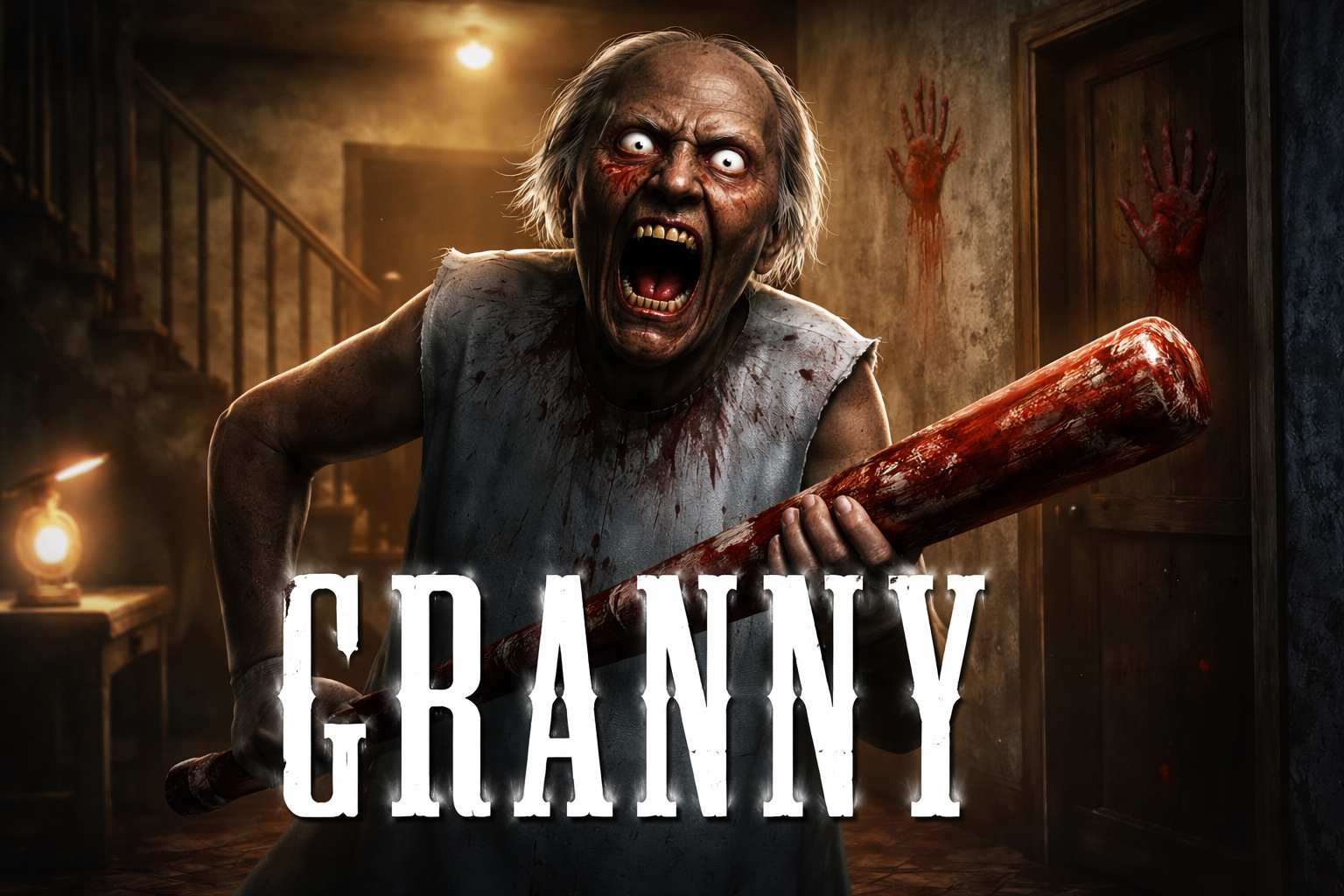
Granny Unblocked has become one of the most searched horror escape experiences among students and casual gamers worldwide. Originally inspired by the indie survival horror title Granny, this browser-friendly version allows players to enjoy the game even on restricted networks such as school or workplace systems. The concept is simple but intense. You wake up trapped inside a dark house and have five days to escape while being hunted by a silent yet terrifying old woman with extremely sensitive hearing. One wrong move can alert her. One mistake can end your run. The combination of stealth, puzzles, and jump scares has made Granny Unblocked a viral phenomenon in online gaming communities.
The Origin of Granny and Its Rise to Popularity
The original Granny was developed by indie creator Dennis Vukanovic, also known as DVloper. Released in 2017 for mobile platforms, the game quickly gained popularity due to its simple mechanics and deeply unsettling atmosphere. Unlike large-budget horror titles, Granny relied on minimalistic graphics and sound-based tension to create fear.
The game’s premise revolves around stealth survival. Players must move carefully, avoid making noise, and search for tools scattered around the house. Every dropped object creates sound. Every creaky floorboard is a risk. The horror experience depends heavily on timing and strategy rather than combat.
With its growing popularity on YouTube and streaming platforms, many students began searching for ways to play the game on school computers. This demand eventually led to the emergence of Granny Unblocked versions hosted on browser-based platforms.
What Is Granny Unblocked
Granny Unblocked refers to browser-based adaptations or hosted versions of the original game that bypass network restrictions. Many schools and workplaces block gaming sites. However, certain hosting platforms mirror the game, allowing it to be accessed without installation.
These versions are often found on browser-based gaming websites such as Unblocked Games portals or through community-hosted platforms like the Epic Developer Community. Instead of downloading an app, players simply open a webpage and begin playing instantly.
This accessibility is one of the key reasons why Granny Unblocked continues to trend among younger audiences.
Gameplay Overview and Core Mechanics
The gameplay of Granny Unblocked remains consistent with the original mobile version. The objective is to escape the house within five in-game days. Each failed attempt or capture results in losing one day. If all five days are used without escape, the game ends.
The movement controls are simple and keyboard-based. Players use WASD keys to move around the environment. Pressing C allows the character to crouch, reducing noise. The E key is used to interact with objects such as doors, drawers, and tools. When danger is near, pressing H enables hiding under beds or inside wardrobes.
The central tension comes from Granny’s super-sensitive hearing. Dropping an item on the floor immediately alerts her to your location. She moves quickly and unpredictably, forcing players to hide or reroute their escape plan.
The Psychological Horror Element
What makes Granny Unblocked particularly effective is its psychological horror design. There is minimal background music. Instead, silence dominates the environment. Sudden footsteps, door creaks, and jump scares create unpredictable tension.
The house layout is intentionally confusing. Dark corridors and locked doors encourage exploration but also increase anxiety. Players must memorize room locations, item placements, and safe hiding spots to improve their chances of escape.
Unlike action-based horror games, Granny emphasizes vulnerability. You cannot fight back effectively. You can only avoid detection and survive.
Why Granny Unblocked Became Popular in Schools
One major reason for the popularity of Granny Unblocked is accessibility. Students often look for quick entertainment during breaks, and platforms like Unblocked Games 66 have made it easier to find browser-friendly versions of popular titles. Since many school networks block traditional gaming websites, unblocked versions hosted on sites such as Unblocked Games 66 became a convenient workaround for players who want instant access without restrictions.
Browser based gaming removes the need for installation. No download means fewer technical barriers and fewer system limitations. The simplicity of the controls also makes it easy to play on shared computers, allowing students to jump into the game quickly without setting up accounts or installing software.
Additionally, the rise of horror gameplay videos on platforms like YouTube helped increase search demand. Watching streamers react to jump scares made students curious to try it themselves.
Browser Based Access and Hosting Platforms
Granny Unblocked is commonly accessed through online gaming hubs. Some websites specialize in hosting unblocked versions of popular games. Others rely on mirror links that replicate the original experience.
The Epic Developer Community has occasionally hosted game discussions and browser builds shared by developers and enthusiasts. Chrome Web Store extensions have also emerged that allow browser-based play without downloading the full mobile version.
However, users should remain cautious. Not all mirror sites are secure. It is always recommended to verify website safety before playing.
Controls and Gameplay Strategy
Mastering the controls is essential in Granny Unblocked. Smooth navigation reduces noise and improves survival chances.
Using WASD effectively allows controlled movement. Crouching reduces footstep sound, especially on wooden floors. Interacting with objects through the E key helps solve puzzles. Hiding at the right time is critical when Granny enters the room.
Strategic play involves patience. Players often wait behind doors, under beds, or inside wardrobes until Granny leaves the area. Timing and memory are key components of success.
Puzzle Solving and Escape Mechanics
Escaping the house requires solving interconnected puzzles. Players must locate keys, pliers, hammers, and other tools hidden in cabinets, drawers, or secret compartments.
Each item unlocks a different part of the escape route. For example, removing boards from doors or disabling traps opens new pathways. Sometimes players must combine multiple tools to progress.
The layered puzzle design encourages replayability. Each run feels slightly different depending on item placement and player strategy.
Age Rating and Content Considerations
The content of Granny Unblocked includes jump scares and moderate horror elements. While some sources suggest it may be appropriate for children aged seven and above, many gaming communities recommend it for players aged twelve or older due to its intense atmosphere.
There is no extreme graphic violence in most versions, but the suspense and sudden scares can be overwhelming for younger players. Parents and guardians are advised to review gameplay before allowing children to play.
Technical Performance and Browser Compatibility
One reason for the sustained popularity of Granny Unblocked is its lightweight browser performance. Unlike large downloadable games, it runs smoothly on basic systems.
Most versions are compatible with Chrome, Edge, and other modern browsers. Because it does not require high-end graphics processing, it performs well even on older school computers.
Load times are usually quick, making it ideal for short play sessions.
The Impact on Indie Horror Gaming
The success of Granny Unblocked reflects the broader impact of indie horror games. Titles developed by small creators have proven that atmosphere and design can outweigh expensive production.
The original Granny helped inspire similar escape-style horror games. Its popularity demonstrated that simple mechanics combined with psychological tension can create a lasting cultural footprint.
Many indie developers now experiment with stealth-based horror mechanics inspired by Granny’s formula.
Community and Online Discussions
Online forums and gaming communities frequently discuss strategies for beating Granny Unblocked. Players share tips about hidden item locations, fastest escape routes, and stealth tricks.
Video platforms feature walkthroughs and speed runs. Some players attempt to escape within the first in-game day, adding a competitive aspect to the experience.
Community engagement has extended the life cycle of the game far beyond its original mobile release.
Safety and Responsible Access
While Granny Unblocked is widely accessible, players should exercise caution when visiting third-party websites. Some mirror sites may contain advertisements or pop-ups.
Using reputable browser platforms reduces risk. Ensuring antivirus software is active also adds protection.
Schools often restrict gaming for productivity reasons. Users should respect institutional guidelines when accessing online games.
Educational Perspective on Horror Games
From an educational standpoint, horror puzzle games like Granny Unblocked can improve certain cognitive skills. Players practice memory retention, spatial awareness, and strategic planning.
The stealth mechanics encourage patience and observation. Problem-solving skills develop through puzzle completion.
However, moderation is important. Excessive gameplay may impact academic focus.
Replayability and Difficulty Levels
The original Granny includes adjustable difficulty settings. Some browser versions replicate this feature.
Higher difficulty levels make Granny move faster and respond more aggressively to noise. Lower settings provide beginners with a manageable introduction.
Replayability remains strong because item placements vary between sessions, creating new challenges each time.
Cultural Influence and Viral Status
The viral status of Granny Unblocked can be attributed to online streaming culture. Reaction videos amplified its reach. Viewers enjoyed watching content creators scream during jump scares.
This exposure drove search trends. Even years after release, Granny remains relevant in search engine queries related to unblocked horror games.
Its simple design and intense gameplay continue to attract new audiences.
Differences Between Mobile and Unblocked Versions
There are slight differences between the official mobile version and some unblocked browser adaptations. Graphics may be simplified. Sound quality can vary. Certain features may be limited depending on hosting.
Despite these differences, the core gameplay remains consistent. Escape within five days. Avoid noise. Hide when necessary.
The overall experience remains recognizable to fans of the original game.
Future of Granny Unblocked
The longevity of Granny Unblocked suggests continued interest in browser-accessible horror games. As long as network restrictions exist, demand for unblocked versions will remain.
Indie developers may continue adapting popular titles into browser formats. The trend toward lightweight web-based gaming platforms supports this direction.
Granny’s legacy within online horror gaming appears secure.
Conclusion
Granny Unblocked represents more than just a browser game. It is a reflection of how indie horror titles can evolve through accessibility and community demand. Inspired by the original Granny, the unblocked version allows players to experience suspense and puzzle-solving even in restricted environments.
With simple controls, intense stealth mechanics, and replayable puzzle design, the game maintains strong appeal among students and casual gamers alike. While caution is advised regarding age suitability and safe website access, Granny Unblocked continues to hold a unique place in the world of online horror gaming.
Its blend of tension, strategy, and accessibility ensures that it remains one of the most searched and discussed unblocked horror games today.

Who Is Daniel Christopher Allison? Life Story of Monica Potter’s Ex-Husband

Who Is Kendle Kenya Sherman? Inside the Private Life of NeNe Leakes’ Sister

Who Is Rachel Sullivan? Career, Family Life, and Marriage to Chris Sullivan

Who Was Nancy Harbour? Life, Career, and Legacy of David Harbour’s Mother

Who Is Paul J. M. Hunnings? The Private Life, Career, and Marriage to Mary Berry

Mitchell Sink Biography: Early Life and Career of Sadie Sink’s Brother

Rachel Flanagan Biography: Net Worth, Career Success & Marriage to Tommy Flanagan

Shade Grant Biography: Early Life, Career, and Relationship with Lauren Graham

Who Is Julie Dick Fudge? The Inspiring Guardian of Patsy Cline’s Daughter

Who Is Sara Zwilling? Inside the Life of Katey Sagal’s Mother and Hollywood Pioneer
Mitchell Sink Biography: Early Life and Career of Sadie Sink’s Brother
Rachel Flanagan Biography: Net Worth, Career Success & Marriage to Tommy Flanagan
Shade Grant Biography: Early Life, Career, and Relationship with Lauren Graham
Who Is Julie Dick Fudge? The Inspiring Guardian of Patsy Cline’s Daughter
Who Is Sara Zwilling? Inside the Life of Katey Sagal’s Mother and Hollywood Pioneer

Who Is Daniel Christopher Allison? Life Story of Monica Potter’s Ex-Husband
Dr. Daniel Christopher Allison is a respected American orthopedic surgeon known for his leadership in musculoskeletal oncology and advanced joint...

Who Is Kendle Kenya Sherman? Inside the Private Life of NeNe Leakes’ Sister
Kendle Kenya Sherman is known to many as the sister of reality television personality NeNe Leakes, but her story extends...

Who Is Rachel Sullivan? Career, Family Life, and Marriage to Chris Sullivan
Rachel Sullivan, born Rachel Reichard, is an American film producer best known as the wife of actor Chris Sullivan. While...

Who Was Nancy Harbour? Life, Career, and Legacy of David Harbour’s Mother
Nancy Harbour was more than the mother of acclaimed actor David Harbour. She was a respected real estate professional, a...

Who Is Paul J. M. Hunnings? The Private Life, Career, and Marriage to Mary Berry
For decades, the name Mary Berry has been linked with British baking excellence and television success. Yet standing quietly beside...


Who Is Valerie Morris? Inside the Life of Naomi Campbell’s Mother
Valerie Morris is best known as the mother of supermodel Naomi Campbell, but her own life tells a powerful story...


Who Is Tamara Romijn? The Private Life and Career of Rebecca Romijn’s Sister
Tamara Romijn is best known as the sister of actress and former model Rebecca Romijn. While her sibling built a...


Who Is Amelia Jackson-Gray? Life Story of Skeet Ulrich Ex-Wife
Amelia Jackson-Gray is a British actress, screenwriter, and producer known for her diverse work across film, television, theater, and voice...


Colleen Reid Biography: Tara Reid’s Sister, Career, Life, and Background
Colleen Reid is widely recognized as the younger sister of Hollywood actress Tara Reid, but her life and career extend...


Jeff Gutheim Biography: Catherine Tate’s Husband & Career
Jeff Gutheim is an American screenwriter and producer who has built a steady career in comedy while maintaining a notably...
-

 Celebrity5 months ago
Shaun Holguin: Jodie Sweetin’s First Husband and a Life Outside the Spotlight
-

 Celebrity5 months ago
Otelia Cox Tony Cox’s Wife Biography, Career, and Family Facts
-

 Fashion5 months ago
Everything About Hall Sinclair – Olivia Colman’s Son
-

 Celebrity4 months ago
Maureen E. McPhilmy – Biography of Bill O’Reilly’s Ex-Wife Life After Divorce
-

 Celebrity5 months ago
Juanita Dorricott’s Life – Loving Wife of Bob Seger
-

 Celebrity5 months ago
Where Is Laura Deibel Now? The Life, Marriage, and Legacy of Tim Allen’s First Wife
-

 News5 months ago
Who is Taimi Li? Everything About Jet Li’s Daughter
-

 Celebrity4 months ago
Who is Roman Krause? The Private Life of Peter Krause’s Son