
Life Style
Why Custom Patches Merchandise Builds Stronger Brand Loyalty


The most loyal customers a brand ever earns are not won through advertising. They are not won through discounts or loyalty programmes or perfectly timed email sequences. They are won through meaning. Through the moment a person picks up a product, puts it on and feels something real.
Brands that create it understand something that most marketing strategies never reach. Physical objects carry emotional weight that digital content simply cannot match.
Clothing sits at the top of this hierarchy. People wear their identities. They choose what sits on their body with care and intention, and they remember the brands that rewarded that care with genuine quality. The brands that build lasting loyalty through apparel do so by treating every detail of the garment as a communication opportunity.
Why Consumers Emotionally Connect With Handcrafted and Textured Branding
There is a neurological reason why textured surfaces create stronger emotional responses than flat ones. The human brain processes tactile information through pathways closely connected to memory and emotion.
When a person touches something with genuine texture and weight, the brain assigns it greater significance than it assigns to something smooth and flat. This is not a marketing theory. It is biology.
Apparel brands that lean into texture are tapping into this response deliberately. A heavily embroidered chest logo on a premium hoodie does not just look better than a printed one. It feels better.
That feeling informs the wearer’s relationship with the brand every time they put the garment on, every time they brush their hand across the decoration, every time someone else reaches out to touch it.
The emotional connection that textured branding creates also drives social behaviour. People show others things they find physically impressive. A decoration that invites touch gets touched, examined and shared in a way that print never does. That organic social behaviour carries brand impressions far beyond any paid media placement.
The Production Side of Wearable Branding Most Marketers Never See
Most marketing teams brief creative agencies, approve designs and hand off to procurement. The production process that follows happens largely out of sight, and for many brands that means the creative intent gets diluted across stages they never monitored.
- Skilled digitisation of artwork: Converting design files into stitch-ready formats that machines can accurately execute.
- Careful selection of thread and materials: Choosing the right thread type, weight, and fabric materials to match design and durability needs.
- Precise machine calibration: Setting up embroidery or production machines to ensure accuracy, consistency, and clean execution.
- Multi-stage quality control: Inspecting the product at different stages to ensure consistency, correctness, and high finishing standards.
Each of these steps has the potential to either honour or compromise the creative vision that started the process.
Brands that engage directly with their production partners, that ask questions about the digitisation process, that request to see test stitchouts before full sampling begins, consistently receive better results than brands that disengage after submitting artwork.
The production team responds to client engagement. When a brand demonstrates that it cares about the details, the production team brings greater attention to those same details.
The Role of a Skilled Patch Maker in Translating Brand Identity Into Fabric
Between the brand’s creative vision and the finished garment sits a specialist whose contribution most brands never fully appreciate. A skilled patch maker does far more than execute a production order.
They translate two-dimensional artwork into a three-dimensional textile object, and that translation requires decisions that directly affect how the brand reads in the real world.
Thread selection affects colour vibrancy, surface sheen and how the decoration changes under different lighting. A patch maker with deep experience knows which thread types deliver which visual effects and guides the brand toward the choices that serve their aesthetic goals.
Stitch direction affects texture, depth and the way light plays across the decoration surface. These decisions sit entirely within the patch maker’s craft domain, and experienced practitioners make them with both technical precision and aesthetic judgment.
What Determines Quality Feel and Brand Perception
The raw materials of textile decoration carry their own quality signals. Thread weight, fibre composition, surface treatment and colour stability all contribute to how the finished decoration reads both visually and tactilely.
Rayon thread delivers brilliant colour vibrancy and a smooth, slightly lustrous surface. It suits fashion apparel and lifestyle products where visual impact is the primary objective. Polyester thread offers greater durability and colourfastness under industrial washing conditions.
It suits workwear, sportswear and outdoor apparel where the decoration must survive heavy use. Cotton thread produces a matte, natural surface that suits heritage and artisanal aesthetics.
Why Fashion and Heritage Brands Favour Custom Woven Patches for Fine Detail and Clean Finish
Embroidery delivers texture and dimension beautifully, but it carries inherent limitations when a design requires very fine detail reproduction, sharp typography or photographic-quality imagery. For brands whose visual identity depends on precision detail, a different technique delivers results that embroidery cannot match.
Custom woven patches produce decoration through a weaving process rather than a stitching one. The design is created by interlacing threads at very high density through a loom-based process that can reproduce fine lines, small text, intricate patterns and smooth colour gradients with exceptional precision.
Fashion brands with sophisticated logo mark systems choose custom woven patches because the technique honours the precision of their visual identity. A logo with fine hairlines, small supporting text and subtle colour transitions reproduces faithfully in woven form where embroidery would lose critical detail.
Case Examples: Brands That Got It Right With Fabric Identity
The outdoor apparel industry provides some of the clearest examples of brands that built genuine loyalty through wearable craft. Every decoration had to survive the conditions their products were designed for. The brands that met this standard built communities of genuinely passionate advocates who wore the products because they trusted them completely.
Varsity and collegiate apparel demonstrates the emotional power of heritage decoration techniques. The patches and lettering on a varsity jacket carry meaning that extends far beyond the garment itself.
Independent streetwear labels have shown what happens when decoration becomes the entire creative statement. Labels that built their brand identity around a single, exceptionally crafted embellishment created cultural moments that no advertising budget could replicate.
Your Brand’s Next Step in Physical Storytelling
Every brand has a story worth telling. The brands that tell it through physical craft, through the texture of a decoration, the precision of a finish, the weight of a material chosen with care, reach their audience in a way that outlasts any campaign and outperforms any digital channel.
The investment required is not reckless. It is proportional to what the brand values. A brand that values craft invests in craft partners. A brand that values detail invests in production processes that honour detail. A brand that values loyalty invests in physical products that earn it.
The audience is ready. They are wearing their identities every day, choosing carefully what sits on their body and what that choice says about them. The brands that show up with genuine quality in their hands will always earn a place in that story.

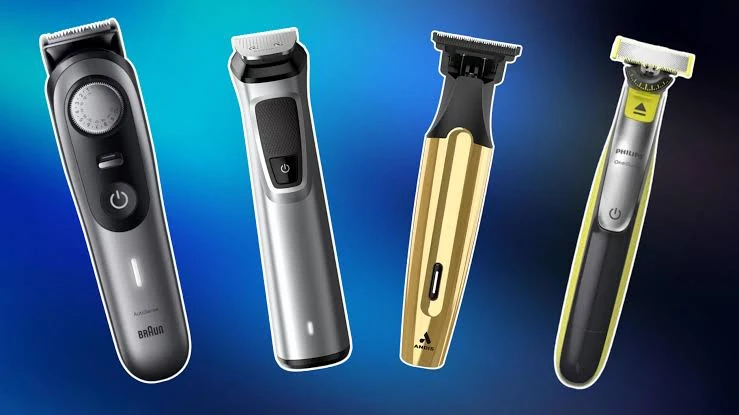
The trimmer aisle has officially entered its gadget era. One model looks like lipstick, another comes with six attachments, and a third has two cutting ends, LED lights and enough features to deserve its own dressing-table drawer.
But spending more does not automatically guarantee a better women’s trimmer. Price usually reflects a mix of versatility, charging convenience, attachments, portability and design. The real question is whether those extras suit the way you actually groom.
Here is what you can realistically expect from reliable trimmer types across common price ranges.
The ₹500–₹800 Mini Facial Trimmer: For Occasional Touch-Ups
A lipstick-sized facial trimmer is usually the most affordable entry point. It is designed for upper-lip hair, chin hair and peach fuzz rather than dense body hair.
This type of Women’s Trimmer makes sense when facial grooming is occasional. It can live in a handbag, travel pouch or office drawer until one particularly confident chin hair decides to appear under fluorescent lighting.
Common features include:
- A compact, discreet design
- Skin-friendly or hypoallergenic blades
- Painless surface-level hair removal
- A protective cap
- A warranty of around one year or longer
Compact facial models in this range tend to be well-liked for portability, ease of use and gentle performance. They are especially popular with first-time users who want a simple device without multiple heads or controls.
Best for: occasional facial grooming, travel and quick makeup preparation.
Not ideal for: eyebrow styling, underarms or use as a bikini trimmer.
The ₹800–₹1,000 Face and Eyebrow Trimmer: For Regular Maintenance
Move slightly higher in price and you usually gain a precision attachment for eyebrow shaping.
These models often combine a standard facial head with a narrower brow head, styling combs and a cleaning brush. They work well for someone who regularly threads or tidies her brows and wants to extend the time between salon visits.
This category of women’s trimmer is generally appreciated for offering enough versatility without becoming complicated. Users tend to like the combination of facial hair removal and brow detailing in one compact device.
Some run on replaceable batteries, which can be convenient during travel but less appealing if you groom frequently.
Best for: weekly upper-lip, chin, peach-fuzz and eyebrow maintenance.
Not ideal for: anyone seeking rechargeable convenience or full-body functionality.
The ₹900–₹1,100 Rechargeable Facial Trimmer: For Frequent Users
Rechargeable models usually begin around this price range. They may offer several facial and eyebrow attachments, water-resistant construction and extended cordless runtime.
A Type-C charging port is useful if you already travel with compatible chargers. It also removes the need to keep spare batteries in your beauty drawer.
This type of women’s trimmer tends to receive strong feedback from regular users because it balances price and convenience. It suits someone who grooms weekly, wants more control over brows and facial hair, and prefers a device that can be quickly recharged.
Best for: frequent face and brow grooming, regular travellers and rechargeable-device fans.
Not ideal for: coarse underarm or pubic hair unless the product explicitly includes attachments designed for those areas.
The ₹1,200–₹1,500 Multi-Use Trimmer: For One-Device Minimalists
This is where facial grooming expands into broader body care.
A multi-use model in this range may include up to six attachments for facial hair, eyebrows, underarms and bikini-area grooming. Waterproof or shower-friendly construction, cordless use and a one-year warranty are also common.
Among the supplied product types, this format appears to be the most established favourite. Its broader customer response suggests that many users value having one device that can manage several grooming jobs.
As a Bikini Trimmer, it should offer guarded attachments, a compact head and enough power to manage denser hair without pulling. The facial head should be different from the intimate-grooming attachment and cleaned carefully between uses.
Best for: frequent grooming across multiple areas and anyone trying to reduce the number of devices she owns.
Not ideal for: someone who removes only facial peach fuzz. Multiple attachments may become expensive drawer decoration.
The ₹1,400–₹1,700 Premium Dual-Ended Trimmer: For Precision Lovers
A premium price does not always mean more attachments. Sometimes it pays for a smoother, more refined facial-grooming experience.
Dual-ended models may provide one cutting side for general facial hair and another for eyebrow precision. Built-in LED lights improve visibility around fine hairs, while Type-C charging and a sleek travel-friendly body add convenience.
These designs tend to be especially well-liked for precision, ease and thoughtful design. They appeal to users who groom their face frequently and dislike stopping midway to change attachments.
However, a higher-priced facial women’s trimmer is not automatically suitable as a bikini trimmer. Premium lighting and design cannot replace an intimate-area guard or a head built for coarse hair.
Best for: detailed facial grooming, brow shaping and anyone with less-than-perfect bathroom lighting.
Not ideal for: buyers prioritising full-body versatility.
Popular Trimmer Types Compared
| Trimmer Type | Typical Price Range | Best Usage Frequency | Main Strength | Main Limitation |
| Mini facial trimmer | ₹500–₹800 | Occasional | Compact and affordable | Facial hair only |
| Face and eyebrow trimmer | ₹800–₹1,000 | Weekly | Brow precision | May use replaceable batteries |
| Rechargeable multi-head facial trimmer | ₹900–₹1,100 | Weekly or frequent | Rechargeable and versatile | Primarily designed for the face |
| Multi-use face and body trimmer | ₹1,200–₹1,500 | Frequent | Face, underarm and bikini attachments | More parts to clean and store |
| Premium dual-ended facial trimmer | ₹1,400–₹1,700 | Frequent facial use | Lighting, precision and convenience | Higher price without full-body use |
Popularity is Useful, But Only with Context
Customer feedback can reveal whether a device feels gentle, charges reliably and remains useful after the novelty wears off.
A newer brand may naturally have fewer reviews while it builds visibility, so review quality matters more than raw volume. Ratings from verified buyers on a trusted e-commerce platform can be a stronger signal than hundreds of vague or unverified comments.
Look beyond comments about first-use smoothness. The most useful reviews discuss blade pulling, attachment stability, battery performance, cleaning and comfort after repeated use.
Pay for the Features You Will Use
Choose the lower price range for occasional facial touch-ups, the middle range for regular face and eyebrow grooming, and the multi-use category when you need a proper bikini trimmer alongside facial and underarm attachments.
A premium facial model makes sense when precision, visibility and thoughtful design matter more than full-body functionality.
The best women’s trimmer is not the one with the most impressive box. It is the one whose features still make sense three months after the unboxing video is forgotten.


An automatic watch is a small, self-contained machine. Every rotor spin, every jewel bearing, every tiny spring inside it is designed to work in harmony for decades, provided it’s treated with a bit of care. Yet many owners unknowingly develop habits that wear down these delicate movements far faster than normal use ever would.
Most of the damage isn’t dramatic. It’s not a cracked crystal or a snapped strap. It’s the slow, invisible kind: a mainspring that loses its snap, a rotor bearing that starts to grind, a date wheel that jumps at the wrong moment and strains the gears around it. By the time you notice something’s wrong, the habit that caused it has usually been going on for months.
Here’s a look at the mistakes that quietly shorten a watch’s lifespan, and what to do instead.
Letting Your Watch Sit Unworn for Weeks
Does an automatic watch stop if you don’t wear it? Yes. An automatic movement has no battery. It relies entirely on the natural motion of your wrist to wind the mainspring through a rotating weight inside the case. Most watches will run for somewhere between 30 and 70 hours on a full wind, so if it sits in a drawer for a week or two, it simply stops.
That alone isn’t harmful. The real problem starts with what happens after it stops. A watch that repeatedly winds down and gets restarted from scratch experiences more strain on its mainspring and gear train than one that stays gently powered. Restarting also means resetting the time and date every single time, which brings its own risks (more on that below).
If you own more than one automatic and rotate between them, or simply don’t wear the same watch every day, a winder keeps the movement gently powered and ready to wear at a moment’s notice. It’s a small piece of equipment that solves a problem most owners don’t realise they have until their watch stops working reliably. If you’re deciding whether one is worth adding to your collection, it’s worth understanding how the mechanism inside actually works and why the rotation settings matter for different calibers — you can learn more about how watch winders function before choosing one for your own watches.
Storing It Loosely Instead of Properly
Is it bad to just leave your watch on a nightstand or in a drawer? It won’t destroy the movement outright, but it does expose it to risks that add up over time: dust settling into the case back, the crystal picking up scratches from keys or coins nearby, and the strap creasing unevenly from being tossed down at odd angles.
Leather straps in particular suffer from careless storage. Left flat and unsupported, they can develop permanent creases or dry out faster, especially in centrally heated homes during winter. Metal bracelets fare better structurally but still pick up surface scratches from contact with other objects.
A proper storage setup doesn’t need to be elaborate. What matters is that each watch has its own defined space, away from other hard or abrasive items. This is exactly the gap a good valet tray fills — it keeps watches, cufflinks, rings, and other small items separated and protected rather than sliding around loose in a drawer. If you’re organising a dresser or bedside table, it’s worth looking at valet trays designed specifically for this kind of everyday storage, since the right tray does far more than just look tidy.
Changing the Date During the “Danger Zone”
This is one of the most common mistakes, and one of the most damaging, because it happens completely by accident.
Why shouldn’t you change the date at night? Between roughly 9 p.m. and 3 a.m., the date-change mechanism inside most automatic movements is mid-cycle, physically engaging the gears that will flip the date forward at midnight. If you force the date wheel during this window using the crown, you’re pushing against gears that are already under tension from the movement itself. Over time, this can bend the date-change finger, wear down the teeth on the date wheel, or in worse cases, jam the mechanism entirely.
The safe window for adjusting the date is during daylight hours, generally between 6 a.m. and 8 p.m., when the mechanism is at rest. If you’ve just picked your watch back up after it stopped and need to set both the time and date, always set the date first while it’s within the safe zone, then adjust the time.
Exposure to Magnets and Electronics
Can magnets really stop a watch from working? Yes, and this has become far more common as everyday electronics have gotten smaller and more powerful. Phone cases with magnetic closures, wireless charging pads, laptop speakers, and even some handbag clasps generate magnetic fields strong enough to affect the tiny steel components inside a watch movement.
Magnetism doesn’t damage a watch permanently the way physical shock can, but it does magnetise the hairspring, which is the coiled spring that regulates timekeeping. Once magnetised, the coils can stick together intermittently, causing the watch to run fast, sometimes by several minutes a day. The fix requires a professional demagnetiser, which most local jewellers or watchmakers have on hand.
The simplest prevention is awareness: keep your watch a few centimetres away from speakers, wireless chargers, and magnetic phone accessories when you can, particularly if you notice your watch has started gaining time unexpectedly.
Ignoring Moisture and Temperature Extremes
Automatic watches are more resilient to the elements than most people assume, but they aren’t invincible. Sudden temperature swings, like moving from a hot car into an air-conditioned building repeatedly, can cause condensation to form inside the case if the seals aren’t in good condition. Once moisture gets past the gaskets, it can lead to fogging on the crystal, rust on internal components, and lubricant breakdown.
Humidity is a slower but equally real threat. Watches stored in bathrooms, near windows with direct sun exposure, or in damp basements are more likely to develop internal corrosion over time, even if they look fine from the outside.
How can you tell if moisture has gotten inside? The clearest early sign is fogging under the crystal that doesn’t clear on its own within a few minutes. If you see this, it’s worth having the case opened and dried out by a professional before it causes further damage, rather than waiting to see if it resolves itself.
Final Thoughts
None of these habits are dramatic on their own, which is exactly why they’re so easy to fall into. A watch that sits unused for a few weeks, gets its date changed at the wrong hour, or spends its nights loose in a drawer isn’t going to stop working overnight. The damage builds slowly, through small amounts of unnecessary strain repeated over months and years.
The good news is that avoiding all of this doesn’t require much effort or expense. Winding your watch properly, storing it somewhere dedicated and protected, and being mindful of when you make adjustments will do more for its long-term health than almost any other single change. If you’re building out a proper setup at home, from winders to everyday storage, Shop Aevitas UK for accessories designed specifically around these kinds of everyday care habits.
FAQs
How often should I wear my automatic watch to keep it running well? Ideally every few days, or use a watch winder if you have several watches in rotation. Consistent movement keeps the lubricants distributed evenly and reduces the strain of repeated full stops and restarts.
Can I wind an automatic watch by hand instead of wearing it? Yes, most automatic movements can also be hand-wound through the crown. Turning it 20 to 30 times is usually enough to get it running, though wearing it naturally will keep it powered going forward.
Is it safe to shower or swim with an automatic watch? This depends entirely on the water resistance rating stamped on the case back. A rating of 100 metres or more generally covers swimming, while lower ratings are only meant to handle splashes, not submersion.
Why does my automatic watch run fast or slow by several minutes a day? This is often a sign of magnetism affecting the hairspring, though it can also indicate the watch needs a routine service. If demagnetising doesn’t fix it, a watchmaker can diagnose the movement directly.
How often does an automatic watch need to be serviced? Most manufacturers recommend a full service every three to five years, depending on the movement and how often the watch is worn. Regular servicing keeps the lubricants fresh and catches small issues before they become expensive repairs.

We’ve all experienced it at some point in our lives. A tan so harsh that you end up regretting every choice you made that led you to this.
Now we’re not here to taunt you about not putting the right sunscreen before stepping out. Let’s just assume your skin is already doing that for us.
We’re here to help you relieve some of that frustration you’re currently feeling by helping you get back to normal.
And no, this is not going to be a complicated list of homemade remedies you need to apply on your skin. This is the easiest, simplest, and most effective Skin Tan Removal routine you could ask for right now.
Because it’s evident that you’re someone who does not like putting a lot on their face anyway.
Let’s begin!
STEP 1: Exfoliate
Not every day, just once or twice a week.
Your skin sheds dead skin cells every 24-48 days anyway. Exfoliating simply speeds up the process.
Use a face scrub for men that comes with exfoliating ingredients like Coffee, Charcoal, or Salicylic Acid and soothing ingredients like Aloe Vera to ensure that your skin gets rid of dead skin cells without irritating your face further.
Remember, the key thing to focus on here is ensuring that you’re gentle with your skin. Don’t be excessive or harsh with your face scrub. Overdoing it will cause more damage than relief.
STEP 2: Cleanse Daily
Get yourself a face wash for men that’s actually made for skin tan removal.
A good face wash will not only cleanse your skin but also remove the dirt and oil that’s making your face appear duller than it needs to.
Look for a Face Wash for Men that contains ingredients like Vitamin C, Coffee, and Charcoal. These help brighten your skin while improving its overall appearance.
For the rest of your body, invest in a soap or body wash that helps with de-tanning. There are many de-tan soaps in the market that you can choose from.
Try getting one that comes with Kojic Acid, Glutathione, and Niacinamide as these ingredients help target pigmentation and brighten your skin.
STEP 3: Apply A Serum
We know. Adding another step to your daily skincare routine probably sounds like a chore, but this one will make a world of difference when it comes to de-tanning your skin.
Get a serum that comes with Vitamin C to even out your skin tone and reduce pigmentation, Niacinamide to brighten your skin while strengthening your skin barrier, and Licorice Extract to help fade dark spots and soothe redness.
A simple, lightweight face serum for men takes exactly 30 seconds to apply, making it less of a chore and more of a lifesaver.
STEP 4: Use A Peel Off Mask
Once a week, when you get the time, use a peel-off mask to remove impurities and dead skin cells from your face.
Anything with Charcoal, Clay, Niacinamide, or Vitamin C works.
STEP 5: Moisturise Every Day
This one is pretty obvious.
Your skin has not just experienced prolonged sun exposure, but you’re also using products to get that under control.
Which means your skin is taking on more challenges than it is used to.
Make sure that you’re moisturising your skin once in the morning and once at night with a mild and gentle cream that comes with Niacinamide, Hyaluronic Acid, and Ceramides.
Remember, hydrated skin will always regenerate and recover better than dry skin.
STEP 6: Drink Water
This is literally the easiest thing you can do.
Just drink water. What you put in your body matters as much as what you put on it.
Drink at least 3-4 litres of water every day.
While you’re at it, also load up on foods that are rich in antioxidants like citrus fruits, berries, tomatoes, and nuts. Antioxidants help protect your skin from stress caused by UV exposure and support the skin’s natural recovery process.
STEP 7: Sunscreen, Duh!
We’re sure you’ve learnt your lesson now.
Just apply sunscreen. Not just when you’re on a trip to Goa, but also when you’re stepping out to buy some chips, going to the office, or doing literally anything outdoors.
Use a broad-spectrum sunscreen with SPF 30 or more every morning as the last step of your skincare routine and reapply every 2-3 hours when you’re out, especially during summers because sweat can reduce its effectiveness over time.
How Long Do You Need to Do This to Get Rid of the Tan?
Let us save you the trouble of Googling this and answer it simply.
You can’t expect a tan to disappear in just 3-4 days. Your skin has produced extra melanin in response to prolonged UV exposure, and that takes time to fade.
However, with a consistent routine, daily care, and future precautions, you can expect to see noticeable improvement within 2-3 weeks.
The keyword here is consistency.
Whether it’s the face wash for men you use, the sunscreen you apply, or the amount of water you drink, sticking to the routine is what ultimately gets you results.

Spanish Vocabulary Guide: How the Word Viejo Changes Meaning Across Contexts

Expanding Your Vocabulary: A Guide to Describing the World with “U” Adjectives

The Easy Way to Understand Composite Bonding Newcastle

Dental Implants Middlesbrough 7 Things That Happen Inside Your Jaw After Placement

Discovering the joys of camping: comfort, adventure, and connection

Spanish Vocabulary Guide: How the Word Viejo Changes Meaning Across Contexts
Spanish is a vibrant language where a single word can express a literal fact, a warm emotion, or casual street...

Expanding Your Vocabulary: A Guide to Describing the World with “U” Adjectives
Whether you are crafting a captivating blog post, writing a novel, or simply trying to express yourself more clearly in...

The Easy Way to Understand Composite Bonding Newcastle
Composite bonding has become one of the most popular cosmetic dental treatments in the UK, offering a simple yet effective...

Dental Implants Middlesbrough 7 Things That Happen Inside Your Jaw After Placement
Dental implants have transformed the way people restore missing teeth, offering a stable and long-lasting solution. For those considering Dental...

Discovering the joys of camping: comfort, adventure, and connection
Stepping away from city lights and crowded routines, camping invites a reconnection with nature and an escape from daily stress....


The Trimmer Edit: What Different Price Ranges Actually Get You
The trimmer aisle has officially entered its gadget era. One model looks like lipstick, another comes with six attachments, and...


Common Automatic Watch Mistakes That Are Slowly Damaging Your Timepiece
An automatic watch is a small, self-contained machine. Every rotor spin, every jewel bearing, every tiny spring inside it is...


Who is Dan M. Jones? Untold Story of the SEO Expert and Entrepreneur
Dan M. Jones is a British entrepreneur, leading SEO consultant, author and public speaker best known as the founder of...


Premium vs Budget Kilts: Which One Is Right for You?
Choosing the right Scottish kilt is about more than finding a design you like. One of the biggest decisions you’ll...


Driving fence posts with a hydraulic post driver instead of digging every hole by hand
Across a Canadian summer, ranchers race the short season to string new fence before the ground hardens and the work...
-

 Tech6 months ago
What is Spaietacle? Inside the New Era of Interactive Digital Platforms
-

 Food7 months ago
Crocolini Explained What Is Crocolini Vegetable Toy and More
-

 Home Improvement4 months ago
4 Cost Factors That Affect Air Conditioner Installation Cost in Singapore for Split AC Units
-

 Entertainment6 months ago
¿Es ENGWE una Buena Marca de Bicicletas Eléctricas? Análisis Real en España
-

 Celebrity12 months ago
Meet Billie Early — Everything About Cameron Diaz’s Mother,
-

 Celebrity1 year ago
Shaun Holguin: Jodie Sweetin’s First Husband and a Life Outside the Spotlight
-

 News1 year ago
Who is Taimi Li? Everything About Jet Li’s Daughter
-

 Celebrity12 months ago
Meet Corrie Bird – Larry Bird’s Daughter Carving Her Own Path