Fashion
Everything About Hall Sinclair – Olivia Colman’s Son


Hall Sinclair may not be a name that fills entertainment headlines, yet people often search for it online. That’s because Hall Sinclair is the son of Olivia Colman, one of the most respected British actresses of her generation, and Ed Sinclair, an accomplished writer and producer.
While Olivia Colman’s face is known across film and television, she and her husband have made a conscious effort to keep their children, including Hall Sinclair, out of public view. That decision has helped Hall grow up quietly while still being part of one of the most admired families in the entertainment world.
This article takes a calm look at Hall Sinclair’s background, his family, his early years, and the way his parents manage fame and family life with care and respect. It also provides an understanding of why privacy is so important for children of celebrities today.
Quick Biography
| Field | Details |
|---|---|
| Full Name | Hall Sinclair |
| Known For | Son of Olivia Colman and Ed Sinclair |
| Born | 2007 (approximate, based on public reports) |
| Age (as of 2025) | Around 18 years |
| Nationality | British |
| Parents | Olivia Colman (mother), Ed Sinclair (father) |
| Siblings | Older brother Finn, younger sister (name kept private) |
| Residence | Norfolk, England |
| Occupation | Student (no public career known) |
| Famous Family | The Colman–Sinclair family |
| Privacy Level | Highly private, no public social media presence |
Early Life
Hall Sinclair was born into a family that values art, talent, and discretion. His mother, Olivia Colman, had already started building a strong acting career before he was born, appearing in shows like Peep Show and Green Wing. His father, Ed Sinclair, was working as a writer and creative professional.
Despite both parents being involved in entertainment, they decided early on to give their children as normal a life as possible. When Hall Sinclair was born, Olivia and Ed were living in London but later moved their family to Norfolk. The move allowed their children to grow up in a calmer and safer environment, away from constant cameras and public attention.
Olivia has often spoken about wanting her children to have ordinary lives. She said in interviews that fame should never affect her role as a mother. For Hall Sinclair, that meant growing up in a close-knit home, surrounded by love and simplicity, instead of red carpets and constant publicity.
Family Background
The Sinclair family is made up of creative yet grounded individuals. Olivia Colman and Ed Sinclair met during their university years. Their connection grew quickly, based on shared interests and similar values. They later married and built a family known for warmth rather than glamour.
Ed Sinclair, a writer and producer, tends to stay behind the camera. He works on projects that suit his creative style. Olivia Colman, on the other hand, has achieved global recognition for her performances in The Crown, The Favourite, and many other productions.
Together, the couple balances fame and family life with quiet discipline. Their home, often described by Olivia in interviews, is filled with laughter, routine, and respect. Hall Sinclair and his siblings grew up in an environment that values privacy, education, and kindness above fame.
Growing Up Away From Cameras
For many celebrity children, early fame can be overwhelming. That’s not the case for Hall Sinclair. His parents have always kept a strong boundary between their work and their personal lives. There are almost no public photographs of Hall Sinclair, a sign of how carefully his parents protect him from exposure.
The family’s move from London to Norfolk was intentional. Olivia Colman once said that living outside the city helps her children feel more grounded. In Norfolk, Hall Sinclair could go to local schools, enjoy outdoor activities, and make friends without being recognized everywhere he went.
This decision also reflects the couple’s shared belief that family life should remain private. While Olivia’s fame grew internationally after her Oscar win for The Favourite, her children stayed out of interviews, red carpet appearances, and social media posts. That privacy has shaped Hall Sinclair’s childhood.
Personality and Family Dynamics
Though much about Hall Sinclair remains private, what can be gathered from Olivia’s public remarks paints a picture of a loving, close family. Olivia Colman often mentions her children as her source of happiness. She once said that time with family gives her balance when her work becomes demanding.
Hall Sinclair reportedly shares a close relationship with his siblings. His older brother, Finn, was born in 2005, and their younger sister arrived in 2015. Together, the three children form a strong sibling bond, often spending time with their parents on family outings and quiet weekends at home.
Family dinners, movie nights, and outdoor trips are part of their lives. Olivia has described herself as a “hands-on mum” who enjoys cooking, reading stories, and simply being present. For Hall Sinclair, this means growing up surrounded by affection and stability — a rare thing for a celebrity child.
Education and Interests
Information about Hall Sinclair’s education is private. However, given his parents’ approach, it is believed that he attends local schools in Norfolk rather than high-profile institutions in London. Both parents have expressed the importance of letting their children learn and grow without fame influencing their experiences.
Although no official statements describe Hall Sinclair’s hobbies, people close to the family have mentioned their shared love of reading, art, and nature. Olivia has often said that her children enjoy quiet activities and time outdoors. It’s likely that Hall, like his parents, has inherited a creative side, even if he’s not in the spotlight.
As he grows older, Hall Sinclair may choose his own path — whether that’s in acting, writing, or something completely different. What matters most to his family is that he has the freedom to choose without pressure.
The Influence of Olivia Colman
Olivia Colman’s influence on Hall Sinclair is easy to imagine. She’s not only a celebrated actress but also known for her humility and humor. Despite her international success, Olivia keeps her personal life grounded. She has said that motherhood changed her priorities and helped her see life differently.
Her children, including Hall Sinclair, have grown up watching a parent who works hard but values family time more than fame. That kind of role model can shape how a young person sees the world. Olivia’s ability to stay genuine, even in a demanding industry, is part of what makes her such an admired figure — both as an actress and as a mother.
For Hall Sinclair, this influence likely means learning the value of kindness, effort, and balance. These lessons, taught quietly through daily life, are far more powerful than any public speech.
The Role of Ed Sinclair
Ed Sinclair’s influence is just as important. While he’s not as publicly known as Olivia, his work as a writer and producer forms the creative foundation of the family. He and Olivia often collaborate professionally, and their shared understanding of storytelling likely fills their home conversations.
As a father, Ed has kept a strong protective presence around his children. He supports Olivia’s career while making sure their children grow up with privacy and stability. People who know the family describe Ed as calm, intelligent, and family-focused. For Hall Sinclair, that combination provides balance — one parent in the spotlight, the other more private but equally creative.
Public Appearances and Media Attention
Unlike many celebrity children, Hall Sinclair has never been a regular part of media coverage. Olivia Colman and Ed Sinclair occasionally mention their children in interviews, but only in general ways — never sharing personal details or photos.
For example, Olivia once laughed about her children’s reactions to her awards, saying they were more interested in snacks than trophies. Small, light-hearted remarks like that give the public a glimpse into the family’s personality without crossing personal boundaries.
Even after Olivia’s Oscar win, Hall Sinclair’s name appeared only briefly in family profiles. This reflects the consistent approach his parents take: fame is theirs, not their children’s.
Rumors and Respect for Privacy
In the age of online gossip, even private families face speculation. Occasionally, unverified stories about celebrity children appear on the internet. When it comes to Hall Sinclair, however, reliable outlets like People and Hello! have kept their reporting respectful and factual.
There are no verified controversies or rumors involving Hall Sinclair. The family’s quiet lifestyle and strong privacy boundaries have helped prevent that. Olivia and Ed rarely post online about family matters, which limits the spread of misinformation.
This responsible handling of fame has become a model for other public figures who want to protect their children from unwanted attention.
Family Values and Lifestyle
The Colman–Sinclair family is often described as simple and warm. Despite their success, they live without unnecessary glamour. Olivia Colman once mentioned that she doesn’t see herself as a typical “celebrity.” She enjoys ordinary routines — school runs, grocery shopping, walks, and weekends at home.
Hall Sinclair’s upbringing fits this philosophy. The family reportedly values time together over luxury events. Olivia and Ed’s approach shows that fame doesn’t have to dictate how a family lives.
They teach their children about empathy, hard work, and respect — values that seem small but mean everything when raising children in a public world.
Net Worth – Family Wealth, Not Personal
There’s often curiosity about celebrity children’s net worth. In Hall Sinclair’s case, it’s important to note that he’s not a public earner. He has no individual income or career. His mother, Olivia Colman, is estimated to have a net worth of several million pounds, thanks to her long career in film and television. His father, Ed Sinclair, also earns from writing and production work.
However, those finances belong to the parents, not to Hall Sinclair personally. Like most children, his financial life is private. Responsible reporting keeps that distinction clear.
Hall Sinclair’s Relationship With Fame
Growing up as the son of two public figures can be complex. Children like Hall Sinclair often witness both admiration and intrusion. Olivia and Ed have managed this by keeping their kids grounded. Fame, in their home, is seen as part of a job — not an identity.
That difference helps Hall understand that being famous isn’t everything. It allows him to see his parents as people, not just stars. Many fans appreciate how Olivia Colman keeps her children’s lives separate from her acting success.
As he matures, Hall Sinclair may decide how much he wants to engage with the public world. His parents’ example gives him the tools to make that decision wisely.
Comparisons With Other Celebrity Families
In the entertainment industry, many parents struggle to balance public life and privacy. The Colman–Sinclair family stands out because of their success in maintaining boundaries. While some families share frequent photos or interviews, Olivia and Ed choose silence.
This approach has earned respect from both media and fans. It shows that fame and family protection can coexist. Hall Sinclair, therefore, grows up with the benefits of stability and the lessons of humility.
Life in Norfolk
Norfolk has become the family’s quiet base. It’s a place known for its countryside charm and peaceful living. Locals say Olivia and Ed blend in easily — they’re polite, friendly, and down-to-earth.
For Hall Sinclair, growing up in Norfolk means freedom. He can walk, study, or play without the pressure of city life. This location gives the family breathing room, away from paparazzi and constant attention.
It’s no surprise that Olivia Colman often credits the move for helping her maintain balance. Her children, including Hall Sinclair, get to enjoy real childhood moments — a privilege many celebrity kids never experience.
Future Possibilities
As Hall Sinclair approaches adulthood, curiosity about his future grows. Will he follow his parents into acting or writing? Or will he take a different path entirely?
There’s no public statement about his career interests yet. What’s certain is that he has strong examples of creativity and kindness at home. If he ever steps into the entertainment field, it will likely be on his own terms.
Until then, Hall Sinclair’s story remains one of quiet growth — a young man finding his way in life with strong support behind him.
Why His Story Matters
Stories like Hall Sinclair’s remind readers that fame doesn’t define happiness. Behind every successful celebrity, there’s often a private world filled with love, lessons, and choices that protect family well-being.
Hall Sinclair represents a generation of celebrity children growing up in balance — aware of fame, yet shielded from its chaos. Olivia Colman and Ed Sinclair’s example shows how respect for privacy can create a healthy environment for young lives.
Conclusion
Hall Sinclair’s life is defined by quiet dignity. As Olivia Colman’s son, he was born into fame — yet raised with care, distance, and simplicity. His parents, Olivia and Ed, have built a safe and private world where their children can grow freely, far from the constant buzz of celebrity life.
In the celebrity industry, such discipline is rare. Yet the Colman–Sinclair family shows that love and privacy can exist side by side with success. Hall Sinclair’s story, though largely unseen, offers a glimpse into what balanced family life can look like behind the curtain of fame.
FAQs
How old is Hall Sinclair?
Public reports suggest he was born in 2007, making him around 18 years old in 2025.
Where does Hall Sinclair live?
He lives with his family in Norfolk, England.
Does Hall Sinclair have siblings?
Yes. He has an older brother named Finn and a younger sister whose name remains private.
Does Hall Sinclair have social media accounts?
No verified social media accounts are linked to him. His parents avoid public exposure for their children.
Is Hall Sinclair involved in acting?
No public information confirms any acting projects. He is still completing his studies.
What is Hall Sinclair’s net worth?
He does not have a personal net worth. His parents’ earnings support the family.
Why is Hall Sinclair rarely seen in public?
His parents choose to keep him out of the spotlight for privacy and safety reasons.
Is Hall Sinclair alive and well?
Yes, Hall Sinclair is alive and well, living a private life with his family in England.



Introduction
A few years ago, buying perfume often meant choosing from the same well-known designer brands found in department stores. Today, the picture looks very different. More people are discovering smaller fragrance companies through online searches, social media, and recommendations from friends. Instead of asking which designer perfume is the newest release, many shoppers are asking which fragrance smells the best, lasts well, and suits their personal style.
This shift has allowed small fragrance brands to compete in ways that were much harder in the past. They may not have huge advertising budgets or celebrity campaigns, but many have earned attention by focusing on carefully developed fragrances and being open about how their perfumes are made. For shoppers, this means there are now more choices than ever before and more reasons to look beyond the biggest designer names.
Shoppers Are Paying More Attention to the Fragrance
One of the biggest changes in recent years is how people judge perfume.
Instead of choosing a bottle simply because they recognise the logo, many buyers spend time reading about fragrance notes, scent families, and how a perfume develops throughout the day. They want to know whether a fragrance feels fresh, woody, floral, or warm before making a decision.
This has helped smaller fragrance brands compete because they often explain their perfumes in straightforward language. Rather than relying on famous names, they let the fragrance itself become the main focus.
As more people understand perfume, they become more interested in quality and craftsmanship than advertising alone.
Independent Brands Can Focus on Fewer Fragrances
Large perfume companies often release many new fragrances every year to appeal to different audiences.
Smaller brands usually work differently. Many build a carefully selected collection instead of producing dozens of releases. This gives them more time to develop individual fragrances and refine how each one smells.
For example, someone looking for a bold leather fragrance may compare several perfumes before choosing a Fucking Fabulous inspired perfume because they already know they enjoy that particular scent style. In this situation, the decision is often based on fragrance character rather than the size of the company behind it.
This approach has encouraged many shoppers to judge perfumes on their own experience instead of brand recognition.
Honest Information Builds Confidence
Buying perfume online becomes much easier when brands clearly explain what customers should expect.
Detailed descriptions, fragrance notes, and information about production methods help shoppers make informed decisions. Many independent fragrance brands also explain how their perfumes are created, giving buyers a better understanding of the craftsmanship involved.
Independent fragrance brands such as Luxaro have helped increase interest in French-made fragrances and small-batch perfume production by focusing on carefully developed scent profiles rather than relying only on designer branding.
This openness has helped build trust with people who want to understand more about the fragrances they wear.
More Choice Benefits Everyone
Healthy competition is good for perfume lovers.
As smaller brands continue to grow, shoppers benefit from having more fragrance styles, different approaches to perfume making, and a wider range of scent profiles to explore.
People who enjoy fresh citrus fragrances can easily compare several options. The same is true for lovers of woody, floral, gourmand, or amber perfumes.
Many shoppers also enjoy browsing a Luxaro fragrance collection because it allows them to explore different fragrance families in one place and better understand how each scent style differs from the next. Looking at a complete collection often makes it easier to recognise personal preferences instead of focusing on only one perfume.
Greater choice encourages people to discover fragrances that genuinely suit their own taste.
Practical Advice for Choosing Between Big and Small Brands
There is no rule that says a designer perfume is always the better choice or that an independent fragrance will automatically suit everyone.
The best approach is to compare fragrances on their own merits.
Read the scent description carefully and pay attention to the fragrance family. Think about perfumes you have enjoyed before and look for similar notes.
Customer reviews can also provide useful insights, especially when several people describe the same strengths and weaknesses.
It also helps to learn a little about the brand itself. Companies that explain how their perfumes are developed, where they are made, and what kind of fragrance experience they are aiming to create often give shoppers more confidence before buying.
Most importantly, choose a perfume because you enjoy the fragrance rather than because of the name printed on the bottle.
Conclusion
Small fragrance brands are changing the way many people think about perfume. By focusing on craftsmanship, clear fragrance descriptions, and carefully developed collections, they have shown that quality is not limited to the biggest designer names.
For shoppers, this means more choice and a better understanding of what makes a fragrance enjoyable to wear. Instead of relying only on familiar branding, more people are comparing scent profiles, fragrance families, and the overall wearing experience.
Taking a little time to learn about how perfumes are made and how different fragrance styles work makes it much easier to choose a scent that matches your own preferences. In the end, the most satisfying perfume is usually the one that feels right for you, regardless of the size of the brand behind it.

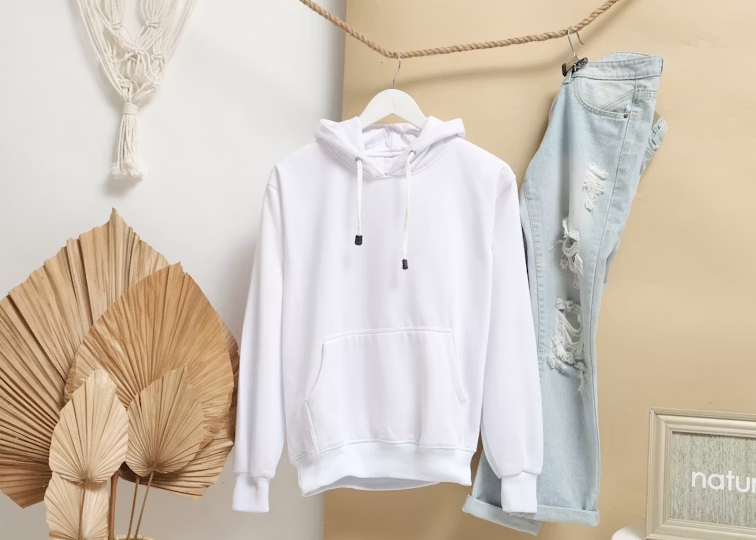
Finding the perfect hoodie size can make a huge difference in both comfort and style. Whether you are buying your first Essentials Hoodie Australia release or adding another piece to your collection, choosing the correct fit is one of the most important decisions you can make. Essentials Hoodies are known for their oversized design, which often creates confusion for first-time buyers who are unsure whether to size up, size down, or stick with their regular size. The good news is that understanding how Essentials Hoodie fit is relatively simple once you know what to look for. This guide explains everything Australian shoppers need to know about sizing, fit preferences, and how to select the right Essential Hoodie for their body type and personal style.
Understanding the Essentials Hoodie Fit
Before choosing a size, it is important to understand how an Essentials Hoodie is designed to fit. Unlike traditional hoodies that follow a regular cut, Essentials Hoodies feature a deliberately oversized silhouette. This oversized design includes wider shoulders, a roomier chest area, and longer sleeves. The relaxed shape is part of the signature streetwear aesthetic that has made the brand so popular around the world. Many first-time buyers assume they should size up to achieve the oversized look, but this is usually unnecessary because the hoodie is already designed with extra room.
Why Essentials Hoodie Sizing Feels Different
One of the most common questions customers ask is why Essentials sizing feels larger than standard hoodies. The answer lies in the brand’s design philosophy. The Fear of God Essentials Hoodie was created to embrace modern streetwear trends that focus on relaxed and comfortable fits. Rather than sitting close to the body, the hoodie is designed to drape naturally and create a loose silhouette. As a result, shoppers who are used to slim-fit clothing may initially find the sizing larger than expected. Understanding this difference can help prevent ordering the wrong size.
Should You Buy Your Normal Size?
For most people, the safest choice is to purchase their regular size. The oversized fit is already built into the design, allowing customers to enjoy the intended streetwear appearance without making additional sizing adjustments. If you normally wear a medium hoodie, choosing a medium Essentials Hoodie will usually provide the relaxed look the brand is known for. This recommendation applies to most Australian customers who want the authentic Essentials experience and prefer modern streetwear styling.
When to Size Down
Although regular sizing works for most people, there are situations where sizing down may be beneficial. If you prefer a more fitted appearance or dislike oversized clothing, choosing one size smaller can create a cleaner silhouette while still maintaining the signature Essentials aesthetic. Many customers who plan to wear their hoodies primarily with jeans or slim-fit trousers often prefer sizing down slightly to achieve a more balanced outfit. However, sizing down too much may reduce the relaxed look that makes Essentials Hoodies unique.
When to Size Up
Sizing up is generally not necessary because the hoodie is already oversized. However, some fashion enthusiasts intentionally choose a larger size to create an exaggerated streetwear look. This styling approach has become increasingly popular in 2026, especially among those who enjoy pairing oversized hoodies with baggy cargo pants or loose-fit denim. If maximum comfort and a highly relaxed appearance are your priorities, sizing up can work well. Just keep in mind that the hoodie may appear significantly larger than standard clothing.
Choosing the Right Size Based on Body Type
Body shape can also influence how an Essentials Hoodie fits. Individuals with broader shoulders often find that their regular size provides the ideal balance between comfort and structure. Those with slimmer builds may prefer sizing down if they want a slightly cleaner fit. Taller individuals usually appreciate the extra length provided by the standard oversized cut, while shorter wearers may choose a smaller size for a more proportional appearance. Ultimately, personal preference plays a major role in determining the best fit.
Essentials Hoodie Sizing for Australian Shoppers
The growing popularity of Essentials Hoodie Australia means more local shoppers are purchasing these pieces than ever before. Australian customers generally prefer comfortable and versatile clothing, making Essentials Hoodies a natural choice. When selecting a size in Australia, it is important to compare your measurements with the retailer’s sizing guide whenever possible. While the oversized fit remains consistent across collections, slight variations can occur between different releases. Taking a few moments to measure your chest and compare it with available size charts can help ensure a more accurate purchase.
Best Fit for Everyday Wear
If your goal is everyday comfort, your normal size is usually the best option. This allows you to enjoy the relaxed fit without the hoodie appearing excessively large. A properly fitted Essentials Hoodie should feel comfortable around the shoulders, provide sufficient room through the chest, and fall naturally around the waist. This balance creates a versatile piece that can be worn for casual outings, travel, study sessions, and weekend activities.
Styling Different Hoodie Sizes
The size you choose can also influence your overall outfit. A standard oversized fit pairs perfectly with cargo pants, joggers, and modern sneakers. This combination creates the classic streetwear appearance associated with the Essentials brand. A slightly smaller fit often works well with slim-fit jeans and minimalist footwear for a cleaner, more refined look. Meanwhile, extra-large oversized fits are commonly styled with baggy trousers and statement sneakers to create bold streetwear outfits that reflect current fashion trends.
Why the Fear of God Essentials Hoodie Remains Popular
The continued success of the Fear of God Essentials Hoodie comes from its ability to deliver comfort, quality, and style in one package. Its oversized silhouette appeals to modern fashion preferences while maintaining versatility for everyday wear. Unlike many trend-driven garments, Essentials Hoodies and Essentials Shorts remain relevant because their design focuses on timeless simplicity rather than short-lived fashion movements. Choosing the right size allows wearers to fully appreciate these qualities and enjoy the hoodie exactly as intended.
Common Sizing Mistakes to Avoid
Many first-time buyers make the mistake of automatically sizing up because they hear Essentials Hoodies run large. In reality, the oversized design is intentional and should not be confused with incorrect sizing. Another common mistake is choosing a size based solely on appearance rather than personal comfort preferences. Taking time to understand the intended fit and considering how you plan to wear the hoodie can help avoid disappointment after purchase.
Final Thoughts
Choosing the right Essentials Hoodie size in Australia is easier once you understand the brand’s signature oversized fit. For most shoppers, selecting their normal size provides the perfect balance of comfort and modern streetwear style. Whether you are buying your first Essential Hoodie, adding another piece to your collection, or investing in a Fear of God Essentials Hoodie, understanding the sizing philosophy can help you make a more confident purchase. By considering your body type, style preferences, and intended use, you can find the perfect fit and enjoy everything that makes Essentials Hoodies one of the most popular streetwear staples in 2026.

Finding premium activewear at a discounted price is always exciting, especially when it comes to Vuori. Known for its exceptional comfort, performance fabrics, and modern designs, Vuori has become one of the fastest-growing athleisure brands in the United States. Whether you’re looking for comfortable joggers, versatile hoodies, performance shorts, or everyday activewear, shopping Vuori Clothing on sale in the USA is one of the smartest ways to upgrade your wardrobe while saving money. As more Americans embrace active lifestyles and comfortable fashion, Vuori continues to stand out for its ability to blend athletic performance with everyday wear. The good news is that shoppers can often find excellent deals on selected collections throughout the year, making premium activewear more accessible than ever. Vuori’s official sale sections regularly feature discounted men’s and women’s apparel, including hoodies, joggers, leggings, shorts, and performance tops.
Why Vuori Clothing Is So Popular in the USA
Vuori has quickly gained a loyal customer base across the United States thanks to its focus on quality, comfort, and versatility. Founded in California, the brand was inspired by active coastal lifestyles and has successfully created apparel that performs equally well during workouts and everyday activities. The company has expanded rapidly and is now one of the leading names in modern athleisure fashion. Unlike traditional sportswear brands that focus purely on athletic performance, Vuori designs clothing that transitions seamlessly from the gym to casual settings. This versatility makes Vuori products a favorite among professionals, travelers, fitness enthusiasts, and anyone seeking comfortable everyday clothing.
What You Can Find in a Vuori Sale
One of the biggest advantages of shopping Vuori sales is the wide variety of products available at reduced prices. Shoppers can often find discounts on some of the brand’s most popular categories. Men’s collections frequently include performance shorts, joggers, hoodies, sweatpants, training tops, and lightweight outerwear. Women’s sale collections often feature leggings, sports bras, tanks, hoodies, jackets, and lounge essentials. Vuori’s sale sections regularly include both seasonal releases and customer favorites. The brand’s reputation for premium fabrics means that even discounted items maintain the same high-quality construction and comfort that customers expect from full-price products.
Why Buying Vuori on Sale Makes Sense
Vuori Clothing is known for its premium pricing, which reflects the quality of materials and craftsmanship used in each piece. While many customers consider the products worth the investment, sales events provide an opportunity to enjoy the same quality at a more affordable price. Discounted collections often include substantial savings on activewear staples that can remain wardrobe essentials for years. Various retailers and seasonal promotions have featured discounts ranging from 20% to 50% or more on selected items. For shoppers building a complete athleisure wardrobe, sales can make it easier to purchase multiple items while staying within budget.
Best Vuori Products to Buy During a Sale
When shopping a Vuori sale, some categories consistently provide outstanding value. Joggers remain one of Vuori’s most recognized products due to their exceptional softness and versatility. Many customers wear them for workouts, travel, lounging, and casual outings. Hoodies and sweatshirts are also popular choices because they combine premium comfort with timeless styling. These pieces are easy to layer and suitable for year-round wear. Performance shorts are another favorite among active individuals. Designed for movement and comfort, they work well for training sessions, running, and everyday activities. Leggings and women’s activewear collections also attract significant attention during sale periods because of their combination of flexibility, durability, and flattering fits. Various sale events have highlighted discounts on these popular categories.
How to Find the Best Vuori Deals
Finding the best Vuori discounts often requires a bit of strategy. Since the brand does not frequently offer large sitewide promotions, many shoppers regularly monitor sale sections for newly added markdowns. The official Vuori sale pages are often the best place to start when searching for discounted inventory. Seasonal clearances, end-of-season promotions, and limited-time offers can provide significant savings on select products. Some shoppers also look to authorized retailers that occasionally offer discounted Vuori products during special events. Community discussions frequently mention finding discounted Vuori apparel through selected retail partners and seasonal promotions.
Vuori Clothing for Everyday Lifestyle
One reason Vuori continues to grow in popularity is its ability to fit seamlessly into modern lifestyles. Today’s consumers want clothing that can handle multiple situations throughout the day without sacrificing comfort or style. Vuori products are designed for movement, but they are equally suitable for working from home, traveling, running errands, and casual social events. This versatility allows customers to get more value from every purchase. Instead of maintaining separate wardrobes for exercise and leisure, many people now prefer apparel that can serve both purposes. Vuori has successfully positioned itself as a solution to this demand.
Seasonal Shopping Opportunities
Different times of the year often present unique opportunities to save on Vuori apparel. End-of-season sales are particularly popular because retailers make room for new collections by discounting previous inventory. Spring and summer transitions frequently bring markdowns on outerwear and cooler-weather essentials, while fall and winter promotions may feature discounts on shorts, tanks, and lighter activewear pieces. Because certain sizes and colors can sell out quickly during sales, many experienced shoppers monitor inventory regularly and act quickly when desired products become available. Community discussions often note that popular sale items may not remain in stock for long.
Why Vuori Continues to Lead the Athleisure Market
The success of Vuori goes beyond trends. The brand has established a strong reputation by consistently delivering premium products that prioritize both function and comfort. Its focus on soft fabrics, clean designs, and versatile styling has helped attract customers looking for alternatives to traditional athletic brands. The company’s rapid growth and expanding retail presence reflect the increasing demand for premium athleisure wear across the United States. As more consumers invest in quality clothing that supports active lifestyles, Vuori remains one of the most trusted names in the category.
Final Thoughts
Shopping Vuori Clothing on Sale in USA is one of the best ways to experience premium athleisure apparel without paying full price. Whether you’re searching for joggers, hoodies, leggings, shorts, or performance essentials, sale events provide an excellent opportunity to upgrade your wardrobe while maximizing value. With high-quality materials, exceptional comfort, and versatile styling, Vuori continues to be a top choice for active individuals throughout the United States. By keeping an eye on seasonal promotions and sale collections, shoppers can enjoy significant savings on some of the brand’s most popular products while building a wardrobe designed for both performance and everyday life.
FAQs
Does Vuori have a sale section?
Yes, Vuori offers dedicated sale sections featuring discounted men’s and women’s activewear, loungewear, hoodies, joggers, shorts, and accessories.
How much can you save during a Vuori sale?
Discounts vary, but promotions and sale events have featured savings ranging from 20% to 50% or more on selected items.
What are the most popular Vuori sale items?
Joggers, hoodies, leggings, shorts, performance tops, and lounge apparel are among the most sought-after discounted products.
Is Vuori worth buying on sale?
Yes. Vuori products are known for premium quality, comfort, and durability, making sale purchases an excellent value for many shoppers.
Where can I find Vuori clothing deals in the USA?
You can monitor Vuori’s official sale collections and selected authorized retailers that occasionally offer discounted inventory.

The Stunning Florida Resort Chosen By Wyndham, One of the World’s Biggest Hotel Brands: Why It’s the Perfect Family Disney Holiday

Why Chauffeur Car Hire in London Is the Smartest Way to Travel in 2026

Preserving Stories of Service: Why Military History Deserves to Be Remembered

How FastTurnPCBs Supports Cost-Effective PCB Manufacturing

How Small Fragrance Brands Are Challenging the Biggest Designer Names

4 Cost Factors That Affect Air Conditioner Installation Cost in Singapore for Split AC Units

Forklift Parts in Garner, NC: Ensuring Reliable Performance, Safety, and Long-Term Equipment Efficiency

Easiest Ways To Remove Tan For Men

Architecture of Community Magazine: How Collective Memory Shapes Cultural Identity in Modern Times

Vinyl Wrap vs Traditional Refinishing: Which Is Better for Furniture Makeovers?
4 Cost Factors That Affect Air Conditioner Installation Cost in Singapore for Split AC Units
Forklift Parts in Garner, NC: Ensuring Reliable Performance, Safety, and Long-Term Equipment Efficiency
Easiest Ways To Remove Tan For Men
Architecture of Community Magazine: How Collective Memory Shapes Cultural Identity in Modern Times
Vinyl Wrap vs Traditional Refinishing: Which Is Better for Furniture Makeovers?

The Stunning Florida Resort Chosen By Wyndham, One of the World’s Biggest Hotel Brands: Why It’s the Perfect Family Disney Holiday
Magic Moment Resort & Kids Club is a favorite Florida destination for UK families for two primary reasons. Unlike resorts...

Why Chauffeur Car Hire in London Is the Smartest Way to Travel in 2026
London in 2026 is busier, bigger, and more demanding than ever. Between expanding ULEZ zones, unpredictable Tube delays, and traffic...

Preserving Stories of Service: Why Military History Deserves to Be Remembered
History is more than a collection of dates and events. It is the story of people who demonstrated courage, resilience,...

How FastTurnPCBs Supports Cost-Effective PCB Manufacturing
Printed circuit boards (PCBs) are the foundation of nearly every modern electronic device. From smartphones and medical equipment to industrial...

How Small Fragrance Brands Are Challenging the Biggest Designer Names
Introduction A few years ago, buying perfume often meant choosing from the same well-known designer brands found in department stores....


Your Lawn Can Be Lush—Without Harming the Planet
Most homeowners want a thick, green yard. What they don’t always want is the trail of chemical runoff, wasted water,...


How Interior Painting Improves Your Home’s Appearance and Value
Introduction. Why Interior Painting Is More Than a Cosmetic Upgrade Your home’s interior says a lot about how well it...


Healthy Lifestyle Exercise Guide for Women: How Move More Age Better Build Strength and Feel Extraordinary 2026
Why Exercise Is Non-Negotiable for Women’s Long-Term Health and Radiance Exercise is not simply a tool for weight management ,...


Garment Quality Control Checklist: The Important Role of Sewing Threads
Top few things that come to mind when we talk about the quality of garments are the fabric, the design,...


How Apparel Manufacturers Can Improve Productivity Through Thread Optimization
Apparel manufacturers can really improve how well they make clothes by paying attention to the thread they use. When people...
-

 Tech3 months ago
What is Spaietacle? Inside the New Era of Interactive Digital Platforms
-

 Food3 months ago
Crocolini Explained What Is Crocolini Vegetable Toy and More
-

 Entertainment3 months ago
¿Es ENGWE una Buena Marca de Bicicletas Eléctricas? Análisis Real en España
-

 Celebrity9 months ago
Shaun Holguin: Jodie Sweetin’s First Husband and a Life Outside the Spotlight
-

 News9 months ago
Who is Taimi Li? Everything About Jet Li’s Daughter
-

 Celebrity8 months ago
Meet Billie Early — Everything About Cameron Diaz’s Mother,
-

 Celebrity8 months ago
Who is Michael Ciminella? Everything You Need to Know About Ashley Judd’s Father
-

 Celebrity9 months ago
Maureen E. McPhilmy – Biography of Bill O’Reilly’s Ex-Wife Life After Divorce