
Fashion
4 Trans Celebrities Reshaping Mainstream Culture in 2026

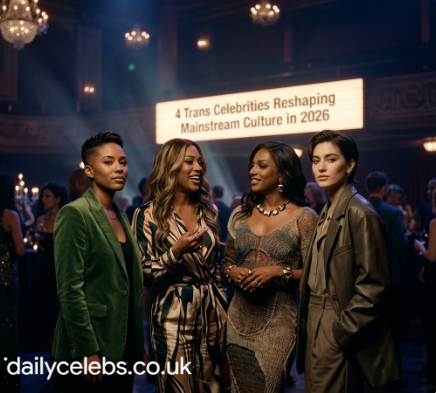
For most of cinema and television history, trans characters were either invisible or written by people who were not. Casting tended to follow suit. By 2026, that arrangement looks not just outdated but historically anomalous, and the names usually given credit for the shift are not the usual suspects of activist commentary. They are working actors who took the work, did the work, and reshaped the public understanding of trans presence in mainstream culture by simply being on the call sheet.
The figures who made it ordinary
Laverne Cox provided the first sustained public face. Her role as Sophia Burset in Orange Is the New Black, beginning in 2013, made her the first openly transgender actress nominated for a Primetime Emmy. She went on to appear on the covers of TIME, Cosmopolitan, British Vogue, and Essence, each a first for an openly trans person. By 2024, she was producing television in collaboration with Norman Lear’s Act III, and the press had long since stopped asking her only about her activism.
MJ Rodriguez’s victory at the 2022 Golden Globes, for her lead role in Ryan Murphy’s Pose, was another turning point. She was the first trans actress to win a Golden Globe in any category. The recognition mattered because the industry had managed for a long time not to read trans actors as award-worthy, even in roles written specifically for them.
Elliot Page’s December 2020 announcement that he was trans was the moment a working A-list star came out at the height of his commercial value. He continued in The Umbrella Academy through its final season, published a New York Times bestselling memoir, and produced and starred in the 2023 drama Close to You. The signal to studios was clear: being trans was no longer a career-ending disclosure for an actor with a major franchise behind him.
Hunter Schafer is the youngest of these figures, and arguably the most culturally fluent. Her role as Jules in Euphoria established her in the same conversation as her castmates rather than as a token of representation. The work that followed (The Hunger Games: The Ballad of Songbirds & Snakes, Cuckoo, Kinds of Kindness, Mother Mary, Tom Ford’s Cry to Heaven) has been character-led rather than identity-led. She has also become one of the most recognisable faces in luxury fashion, appearing as a Prada brand ambassador and fronting the house’s Spring/Summer 2026 campaign.
The ripple beyond entertainment
What is interesting about this generation of trans celebrities is not only the work itself but the ripple it produced beyond entertainment. Visibility on this scale is structural. Retail categories that had previously been treated as too niche to bother with, including trans lingerie, gender-affirming swimwear, and intimate apparel, reconceived around different bodies, finally found shelf space. The fashion industry, slow as ever, came to terms with featuring trans models in major campaigns and treating them as commercial faces rather than activist signposts. It changed what brands felt able to advertise and what publications felt able to commission, an entire product layer quietly understanding its customer base differently.
Beauty followed. Skincare and cosmetics brands moved past the obvious tokenism phase and into product development that took the actual diversity of skin needs seriously. Publishing followed. The trans memoir, once a niche category often kept at arm’s length from the mainstream review industry, became a regular feature on bestseller lists. None of these adjacencies happened because trans celebrities campaigned for them, although some did. They happened because cultural visibility, once achieved at scale, bends the surrounding industries towards the audience it has just unlocked.
The next chapter
What is now visibly emerging is a different stage of the conversation. Hunter Schafer has spoken publicly about wanting to be seen as a girl rather than only as a trans starlet, and has been declining trans-specific roles in favour of character-driven work. The framing is not a rejection of identity. It is a reflection of where the conversation has moved: from visibility, which was the work of the past decade, to normalisation, which is the work of the next.
The distinction matters. Visibility requires being seen. Normalisation requires being treated like everyone else. The first is an act of brave exposure. The second is an act of mundane equality. Cox, Rodriguez, Page, Schafer, and their contemporaries did the first work, often at high personal cost. The next generation is being asked to do the second.
What changes when the cameras are not pointed at you
The most interesting cultural shift of the past few years is no longer the casting announcement or the magazine cover. It is the absence of a remark. A trans actor in a mainstream drama in 2026 does not need to be the subject of the production’s press cycle. A trans model in a luxury campaign does not need to be the campaign’s headline. A trans memoir does not need to be filed in a separate section of the bookshop.
That is not to say the cultural fight is over. It is to say that the contributions of the past decade have produced something rare: a cultural infrastructure that has begun to carry trans visibility without comment, the way it has long carried other forms of visibility that were once contested. The names that built that infrastructure are unlikely to fade from the credits any time soon. But what they built, in the end, may matter more than the moment of needing to be visible at all.

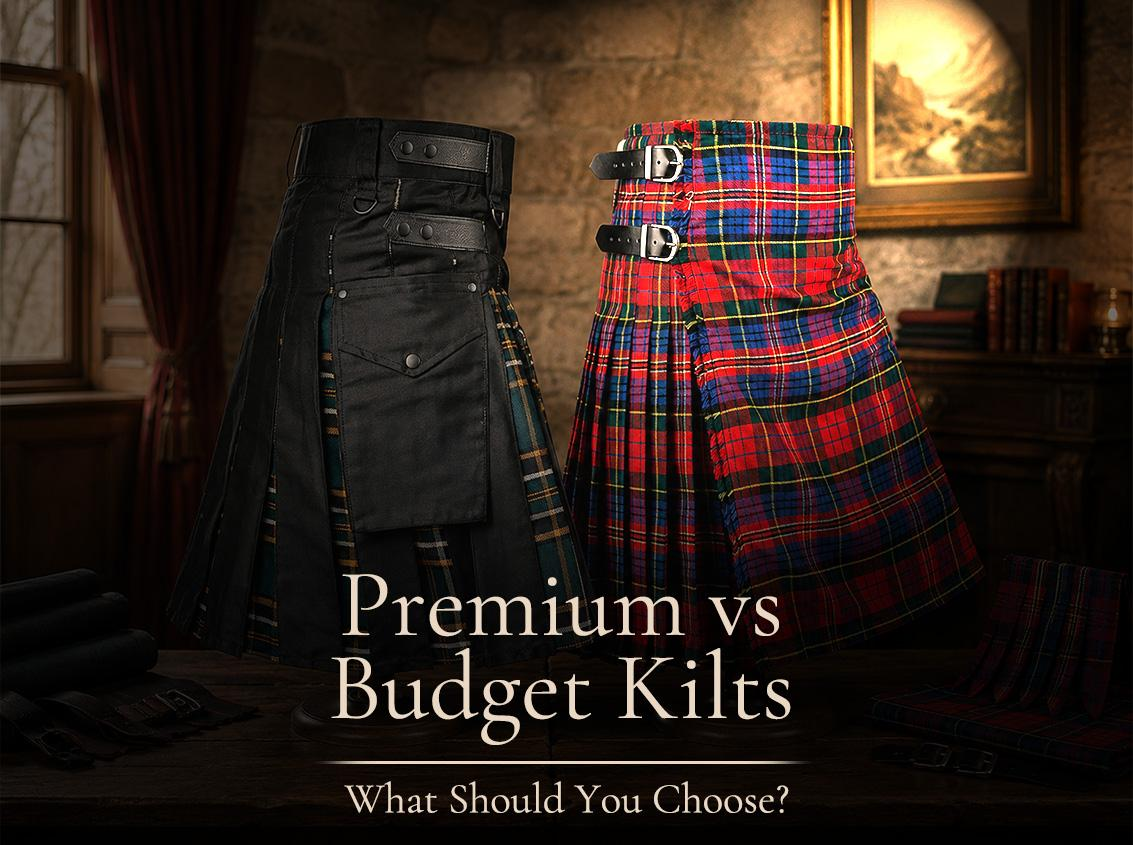
Choosing the right Scottish kilt is about more than finding a design you like. One of the biggest decisions you’ll make is whether to invest in a premium kilt or opt for a more affordable alternative. While price is an important factor, it’s not the only one. Fabric, craftsmanship, comfort, durability, and intended use all play a role in determining the best value.
Whether you’re buying your first kilts for men or adding another piece to your Highland wear collection, understanding the differences between premium and budget kilts will help you make the right investment.
What Is a Premium Kilt?
A premium kilt is crafted using high-quality materials and traditional construction techniques. These kilts are designed to deliver superior comfort, durability, and an authentic Highland appearance.
Most premium traditional tartan kilts are made from wool, offering excellent drape, rich texture, and long-lasting performance. They typically feature deeper pleats, quality leather straps, durable buckles, and meticulous stitching that enhances both appearance and fit.
Premium Scottish kilts are ideal for weddings, formal occasions, Highland games, ceremonial events, and anyone looking for a kilt that will last for years.
What Is a Budget Kilt?
A budget kilt provides the classic look of a Scottish kilt at a more affordable price.
Affordable doesn’t mean poor quality. Many budget-friendly tartan kilts are made from polyviscose, a durable fabric that closely resembles traditional wool while being lighter, easier to care for, and more budget-friendly.
Budget kilts are an excellent choice for first-time buyers, festivals, casual events, or anyone who wears a kilt occasionally. The key is choosing a well-made kilt with quality construction rather than judging it solely by its price.
Fabric: The Biggest Difference Between Premium and Budget Kilts
The fabric is one of the most noticeable differences between a premium kilt and a budget option.
Traditional wool remains the gold standard for Scottish kilts. It offers a luxurious finish, excellent pleat retention, and a natural drape that gives the kilt a refined appearance. Wool is also highly durable, making it a worthwhile investment for frequent wear.
Polyviscose has become one of the most popular alternatives because it offers the appearance of traditional tartan while being lightweight, comfortable, and easy to maintain.
At Highland Redstone, our collection includes premium-quality 8-yard tartan kilts in polyviscose, giving customers the authentic Highland look at an accessible price point.
Construction and Pleating Matter
A well-made Scottish kilt is defined by its construction as much as its fabric.
Premium traditional tartan kilts generally use more fabric, creating fuller pleats that move naturally and produce the iconic silhouette associated with Highland dress.
An 8-yard kilt is the classic example of this craftsmanship. The additional yardage provides greater depth and movement, making it a popular choice for formal occasions.
Budget kilts often use less fabric, resulting in a lighter garment that many people find more practical for casual wear, travel, and warmer weather.
Are Premium Kilts Better for Formal Occasions?
If you’re attending a wedding, formal dinner, or ceremonial event, investing in a premium kilt can make a noticeable difference.
The superior fit, richer fabric, and fuller pleating create a more polished appearance that pairs perfectly with formal Highland wear accessories such as a Prince Charlie jacket, waistcoat, sporran, kilt hose, and ghillie brogues.
If you expect to wear your Scottish kilt regularly for special occasions, a premium option often provides better long-term value.
When Is a Budget Kilt the Better Choice?
Not every occasion requires a premium wool kilt.
For festivals, everyday styling, casual gatherings, or your first experience wearing a Scottish kilt, a quality budget kilt is often the smarter option.
Utility kilts and hybrid kilts are particularly popular because they combine comfort, durability, and practical features such as cargo pockets and adjustable hardware. These modern styles are perfect for active lifestyles while maintaining the distinctive look of Highland wear.
Does a Higher Price Mean Better Quality?
Not always.
A higher price often reflects premium materials, skilled craftsmanship, and traditional manufacturing methods—but it doesn’t automatically guarantee the best choice for every customer.
The best kilt for men is the one that fits properly, feels comfortable, and suits your intended use.
A well-fitted polyviscose Scottish kilt can often look better than an expensive wool kilt that doesn’t fit correctly.
Before buying, pay close attention to:
- Fabric composition
- Pleating and yardage
- Stitching quality
- Leather straps and buckles
- Sizing information
- Care instructions
These details reveal far more about a kilt’s quality than the price tag alone.
Which Option Offers the Best Value?
The real value of a Scottish kilt depends on how often you plan to wear it.
If you’ll regularly attend weddings, Highland events, or formal celebrations, a premium kilt can be a worthwhile long-term investment.
If you only need a kilt occasionally, a well-made budget option may provide better value while still delivering excellent style and comfort.
Rather than focusing solely on the purchase price, consider the cost per wear. A premium kilt worn dozens of times often represents better value than an expensive garment that spends most of its life in storage.
The Best Choice for First-Time Buyers
If this is your first Scottish kilt, starting with a quality polyviscose model is often the most practical choice.
It allows you to experience traditional Highland wear without the higher cost of premium wool while helping you discover your preferred tartan, fit, weight, and style.
Many first-time buyers also enjoy utility kilts or hybrid kilts, which combine Scottish tradition with modern comfort and functionality.
Fit Is More Important Than Price
No matter how much you spend, fit is the single most important factor.
A properly fitted Scottish kilt should sit comfortably at your natural waist, fall to the centre of your knee, and allow the pleats to hang naturally.
Always use the retailer’s measuring guide instead of relying on your normal trouser size. Accurate measurements will always have a greater impact on appearance than choosing the most expensive option.
Why Choose Highland Redstone?
At Highland Redstone, we believe every customer deserves a Scottish kilt that combines authentic craftsmanship, exceptional comfort, and outstanding value.
Our collection includes traditional tartan kilts, 8-yard tartan kilts, utility kilts, hybrid kilts, and sports kilts, giving you the flexibility to choose the perfect style for your occasion and budget.
Whether you’re investing in a premium Highland outfit or purchasing your very first men’s kilt, our carefully selected range is designed to deliver quality without compromise.
Final Thoughts
Choosing between a premium kilt and a budget kilt isn’t about buying the most expensive option—it’s about choosing the right kilt for your lifestyle.
If authentic materials, traditional craftsmanship, and formal occasions are your priority, a premium kilt is an excellent investment. If versatility, affordability, and everyday comfort matter most, a quality budget kilt can provide everything you need.
At Highland Redstone, you’ll find a wide selection of Scottish kilts designed to suit every budget, occasion, and personal style. Whatever you choose, focus on quality, fit, and craftsmanship to ensure your kilt looks exceptional every time you wear it.

Introduction
A few years ago, buying perfume often meant choosing from the same well-known designer brands found in department stores. Today, the picture looks very different. More people are discovering smaller fragrance companies through online searches, social media, and recommendations from friends. Instead of asking which designer perfume is the newest release, many shoppers are asking which fragrance smells the best, lasts well, and suits their personal style.
This shift has allowed small fragrance brands to compete in ways that were much harder in the past. They may not have huge advertising budgets or celebrity campaigns, but many have earned attention by focusing on carefully developed fragrances and being open about how their perfumes are made. For shoppers, this means there are now more choices than ever before and more reasons to look beyond the biggest designer names.
Shoppers Are Paying More Attention to the Fragrance
One of the biggest changes in recent years is how people judge perfume.
Instead of choosing a bottle simply because they recognise the logo, many buyers spend time reading about fragrance notes, scent families, and how a perfume develops throughout the day. They want to know whether a fragrance feels fresh, woody, floral, or warm before making a decision.
This has helped smaller fragrance brands compete because they often explain their perfumes in straightforward language. Rather than relying on famous names, they let the fragrance itself become the main focus.
As more people understand perfume, they become more interested in quality and craftsmanship than advertising alone.
Independent Brands Can Focus on Fewer Fragrances
Large perfume companies often release many new fragrances every year to appeal to different audiences.
Smaller brands usually work differently. Many build a carefully selected collection instead of producing dozens of releases. This gives them more time to develop individual fragrances and refine how each one smells.
For example, someone looking for a bold leather fragrance may compare several perfumes before choosing a Fucking Fabulous inspired perfume because they already know they enjoy that particular scent style. In this situation, the decision is often based on fragrance character rather than the size of the company behind it.
This approach has encouraged many shoppers to judge perfumes on their own experience instead of brand recognition.
Honest Information Builds Confidence
Buying perfume online becomes much easier when brands clearly explain what customers should expect.
Detailed descriptions, fragrance notes, and information about production methods help shoppers make informed decisions. Many independent fragrance brands also explain how their perfumes are created, giving buyers a better understanding of the craftsmanship involved.
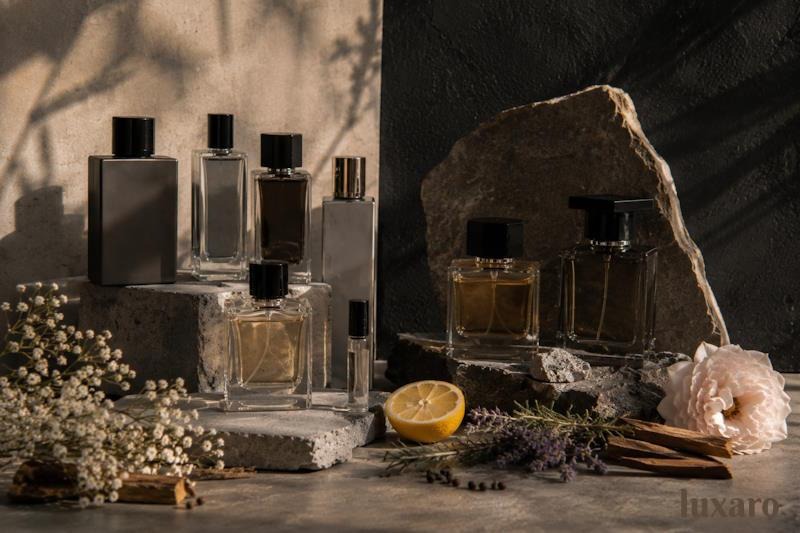
Independent fragrance brands such as Luxaro have helped increase interest in French-made fragrances and small-batch perfume production by focusing on carefully developed scent profiles rather than relying only on designer branding.
This openness has helped build trust with people who want to understand more about the fragrances they wear.
More Choice Benefits Everyone
Healthy competition is good for perfume lovers.
As smaller brands continue to grow, shoppers benefit from having more fragrance styles, different approaches to perfume making, and a wider range of scent profiles to explore.
People who enjoy fresh citrus fragrances can easily compare several options. The same is true for lovers of woody, floral, gourmand, or amber perfumes.
Many shoppers also enjoy browsing a Luxaro fragrance collection because it allows them to explore different fragrance families in one place and better understand how each scent style differs from the next. Looking at a complete collection often makes it easier to recognise personal preferences instead of focusing on only one perfume.
Greater choice encourages people to discover fragrances that genuinely suit their own taste.
Practical Advice for Choosing Between Big and Small Brands
There is no rule that says a designer perfume is always the better choice or that an independent fragrance will automatically suit everyone.
The best approach is to compare fragrances on their own merits.
Read the scent description carefully and pay attention to the fragrance family. Think about perfumes you have enjoyed before and look for similar notes.
Customer reviews can also provide useful insights, especially when several people describe the same strengths and weaknesses.
It also helps to learn a little about the brand itself. Companies that explain how their perfumes are developed, where they are made, and what kind of fragrance experience they are aiming to create often give shoppers more confidence before buying.
Most importantly, choose a perfume because you enjoy the fragrance rather than because of the name printed on the bottle.
Conclusion
Small fragrance brands are changing the way many people think about perfume. By focusing on craftsmanship, clear fragrance descriptions, and carefully developed collections, they have shown that quality is not limited to the biggest designer names.
For shoppers, this means more choice and a better understanding of what makes a fragrance enjoyable to wear. Instead of relying only on familiar branding, more people are comparing scent profiles, fragrance families, and the overall wearing experience.
Taking a little time to learn about how perfumes are made and how different fragrance styles work makes it much easier to choose a scent that matches your own preferences. In the end, the most satisfying perfume is usually the one that feels right for you, regardless of the size of the brand behind it.

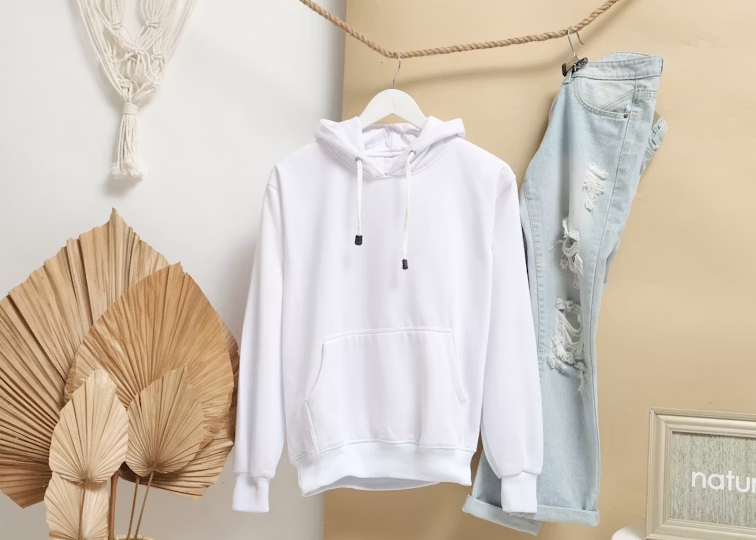
Finding the perfect hoodie size can make a huge difference in both comfort and style. Whether you are buying your first Essentials Hoodie Australia release or adding another piece to your collection, choosing the correct fit is one of the most important decisions you can make. Essentials Hoodies are known for their oversized design, which often creates confusion for first-time buyers who are unsure whether to size up, size down, or stick with their regular size. The good news is that understanding how Essentials Hoodie fit is relatively simple once you know what to look for. This guide explains everything Australian shoppers need to know about sizing, fit preferences, and how to select the right Essential Hoodie for their body type and personal style.
Understanding the Essentials Hoodie Fit
Before choosing a size, it is important to understand how an Essentials Hoodie is designed to fit. Unlike traditional hoodies that follow a regular cut, Essentials Hoodies feature a deliberately oversized silhouette. This oversized design includes wider shoulders, a roomier chest area, and longer sleeves. The relaxed shape is part of the signature streetwear aesthetic that has made the brand so popular around the world. Many first-time buyers assume they should size up to achieve the oversized look, but this is usually unnecessary because the hoodie is already designed with extra room.
Why Essentials Hoodie Sizing Feels Different
One of the most common questions customers ask is why Essentials sizing feels larger than standard hoodies. The answer lies in the brand’s design philosophy. The Fear of God Essentials Hoodie was created to embrace modern streetwear trends that focus on relaxed and comfortable fits. Rather than sitting close to the body, the hoodie is designed to drape naturally and create a loose silhouette. As a result, shoppers who are used to slim-fit clothing may initially find the sizing larger than expected. Understanding this difference can help prevent ordering the wrong size.
Should You Buy Your Normal Size?
For most people, the safest choice is to purchase their regular size. The oversized fit is already built into the design, allowing customers to enjoy the intended streetwear appearance without making additional sizing adjustments. If you normally wear a medium hoodie, choosing a medium Essentials Hoodie will usually provide the relaxed look the brand is known for. This recommendation applies to most Australian customers who want the authentic Essentials experience and prefer modern streetwear styling.
When to Size Down
Although regular sizing works for most people, there are situations where sizing down may be beneficial. If you prefer a more fitted appearance or dislike oversized clothing, choosing one size smaller can create a cleaner silhouette while still maintaining the signature Essentials aesthetic. Many customers who plan to wear their hoodies primarily with jeans or slim-fit trousers often prefer sizing down slightly to achieve a more balanced outfit. However, sizing down too much may reduce the relaxed look that makes Essentials Hoodies unique.
When to Size Up
Sizing up is generally not necessary because the hoodie is already oversized. However, some fashion enthusiasts intentionally choose a larger size to create an exaggerated streetwear look. This styling approach has become increasingly popular in 2026, especially among those who enjoy pairing oversized hoodies with baggy cargo pants or loose-fit denim. If maximum comfort and a highly relaxed appearance are your priorities, sizing up can work well. Just keep in mind that the hoodie may appear significantly larger than standard clothing.
Choosing the Right Size Based on Body Type
Body shape can also influence how an Essentials Hoodie fits. Individuals with broader shoulders often find that their regular size provides the ideal balance between comfort and structure. Those with slimmer builds may prefer sizing down if they want a slightly cleaner fit. Taller individuals usually appreciate the extra length provided by the standard oversized cut, while shorter wearers may choose a smaller size for a more proportional appearance. Ultimately, personal preference plays a major role in determining the best fit.
Essentials Hoodie Sizing for Australian Shoppers
The growing popularity of Essentials Hoodie Australia means more local shoppers are purchasing these pieces than ever before. Australian customers generally prefer comfortable and versatile clothing, making Essentials Hoodies a natural choice. When selecting a size in Australia, it is important to compare your measurements with the retailer’s sizing guide whenever possible. While the oversized fit remains consistent across collections, slight variations can occur between different releases. Taking a few moments to measure your chest and compare it with available size charts can help ensure a more accurate purchase.
Best Fit for Everyday Wear
If your goal is everyday comfort, your normal size is usually the best option. This allows you to enjoy the relaxed fit without the hoodie appearing excessively large. A properly fitted Essentials Hoodie should feel comfortable around the shoulders, provide sufficient room through the chest, and fall naturally around the waist. This balance creates a versatile piece that can be worn for casual outings, travel, study sessions, and weekend activities.
Styling Different Hoodie Sizes
The size you choose can also influence your overall outfit. A standard oversized fit pairs perfectly with cargo pants, joggers, and modern sneakers. This combination creates the classic streetwear appearance associated with the Essentials brand. A slightly smaller fit often works well with slim-fit jeans and minimalist footwear for a cleaner, more refined look. Meanwhile, extra-large oversized fits are commonly styled with baggy trousers and statement sneakers to create bold streetwear outfits that reflect current fashion trends.
Why the Fear of God Essentials Hoodie Remains Popular
The continued success of the Fear of God Essentials Hoodie comes from its ability to deliver comfort, quality, and style in one package. Its oversized silhouette appeals to modern fashion preferences while maintaining versatility for everyday wear. Unlike many trend-driven garments, Essentials Hoodies and Essentials Shorts remain relevant because their design focuses on timeless simplicity rather than short-lived fashion movements. Choosing the right size allows wearers to fully appreciate these qualities and enjoy the hoodie exactly as intended.
Common Sizing Mistakes to Avoid
Many first-time buyers make the mistake of automatically sizing up because they hear Essentials Hoodies run large. In reality, the oversized design is intentional and should not be confused with incorrect sizing. Another common mistake is choosing a size based solely on appearance rather than personal comfort preferences. Taking time to understand the intended fit and considering how you plan to wear the hoodie can help avoid disappointment after purchase.
Final Thoughts
Choosing the right Essentials Hoodie size in Australia is easier once you understand the brand’s signature oversized fit. For most shoppers, selecting their normal size provides the perfect balance of comfort and modern streetwear style. Whether you are buying your first Essential Hoodie, adding another piece to your collection, or investing in a Fear of God Essentials Hoodie, understanding the sizing philosophy can help you make a more confident purchase. By considering your body type, style preferences, and intended use, you can find the perfect fit and enjoy everything that makes Essentials Hoodies one of the most popular streetwear staples in 2026.

Discovering the joys of camping: comfort, adventure, and connection

The Trimmer Edit: What Different Price Ranges Actually Get You

Common Automatic Watch Mistakes That Are Slowly Damaging Your Timepiece

Who is Dan M. Jones? Untold Story of the SEO Expert and Entrepreneur

Premium vs Budget Kilts: Which One Is Right for You?
Who is Dan M. Jones? Untold Story of the SEO Expert and Entrepreneur
Premium vs Budget Kilts: Which One Is Right for You?
Common Automatic Watch Mistakes That Are Slowly Damaging Your Timepiece
The Trimmer Edit: What Different Price Ranges Actually Get You
Discovering the joys of camping: comfort, adventure, and connection
Who is Dan M. Jones? Untold Story of the SEO Expert and Entrepreneur
Premium vs Budget Kilts: Which One Is Right for You?
Common Automatic Watch Mistakes That Are Slowly Damaging Your Timepiece
The Trimmer Edit: What Different Price Ranges Actually Get You
Discovering the joys of camping: comfort, adventure, and connection

Discovering the joys of camping: comfort, adventure, and connection
Stepping away from city lights and crowded routines, camping invites a reconnection with nature and an escape from daily stress....
The Trimmer Edit: What Different Price Ranges Actually Get You
The trimmer aisle has officially entered its gadget era. One model looks like lipstick, another comes with six attachments, and...

Common Automatic Watch Mistakes That Are Slowly Damaging Your Timepiece
An automatic watch is a small, self-contained machine. Every rotor spin, every jewel bearing, every tiny spring inside it is...

Who is Dan M. Jones? Untold Story of the SEO Expert and Entrepreneur
Dan M. Jones is a British entrepreneur, leading SEO consultant, author and public speaker best known as the founder of...
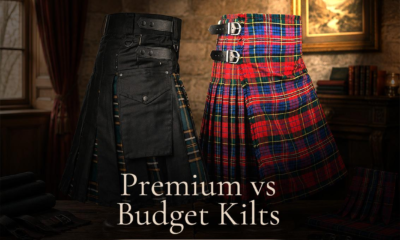
Premium vs Budget Kilts: Which One Is Right for You?
Choosing the right Scottish kilt is about more than finding a design you like. One of the biggest decisions you’ll...

Driving fence posts with a hydraulic post driver instead of digging every hole by hand
Across a Canadian summer, ranchers race the short season to string new fence before the ground hardens and the work...


The Stunning Florida Resort Chosen By Wyndham, One of the World’s Biggest Hotel Brands: Why It’s the Perfect Family Disney Holiday
Magic Moment Resort & Kids Club is a favorite Florida destination for UK families for two primary reasons. Unlike resorts...


Why Chauffeur Car Hire in London Is the Smartest Way to Travel in 2026
London in 2026 is busier, bigger, and more demanding than ever. Between expanding ULEZ zones, unpredictable Tube delays, and traffic...


Preserving Stories of Service: Why Military History Deserves to Be Remembered
History is more than a collection of dates and events. It is the story of people who demonstrated courage, resilience,...

How FastTurnPCBs Supports Cost-Effective PCB Manufacturing
Printed circuit boards (PCBs) are the foundation of nearly every modern electronic device. From smartphones and medical equipment to industrial...
-

 Tech4 months ago
What is Spaietacle? Inside the New Era of Interactive Digital Platforms
-

 Food5 months ago
Crocolini Explained What Is Crocolini Vegetable Toy and More
-

 Home Improvement2 months ago
4 Cost Factors That Affect Air Conditioner Installation Cost in Singapore for Split AC Units
-
 Entertainment5 months ago
¿Es ENGWE una Buena Marca de Bicicletas Eléctricas? Análisis Real en España
-
 Celebrity10 months ago
Meet Billie Early — Everything About Cameron Diaz’s Mother,
-

 Celebrity11 months ago
Shaun Holguin: Jodie Sweetin’s First Husband and a Life Outside the Spotlight
-

 News11 months ago
Who is Taimi Li? Everything About Jet Li’s Daughter
-

 Celebrity11 months ago
Meet Corrie Bird – Larry Bird’s Daughter Carving Her Own Path